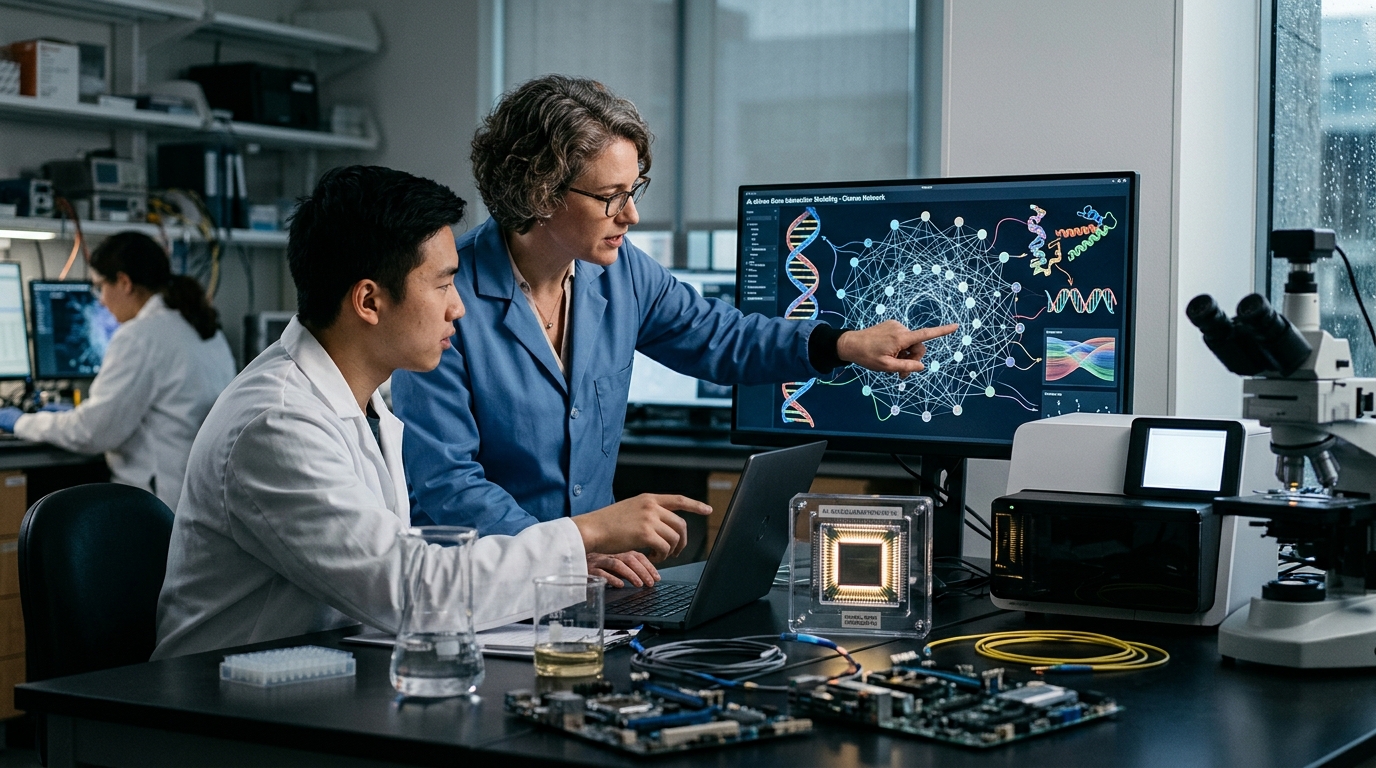
For decades, biology attempted to understand the human body by examining genes as isolated units of information. However, the reality within our cells is less like a series of independent switches and more like a vast, multi-layered orchestra where every instrument influences the other. A new scientific breakthrough, powered by advanced artificial intelligence models, is now mapping this very 'chorus' of genes, offering an unprecedented look at how genetic interactions dictate health and disease.
From Sequencing to Network Understanding
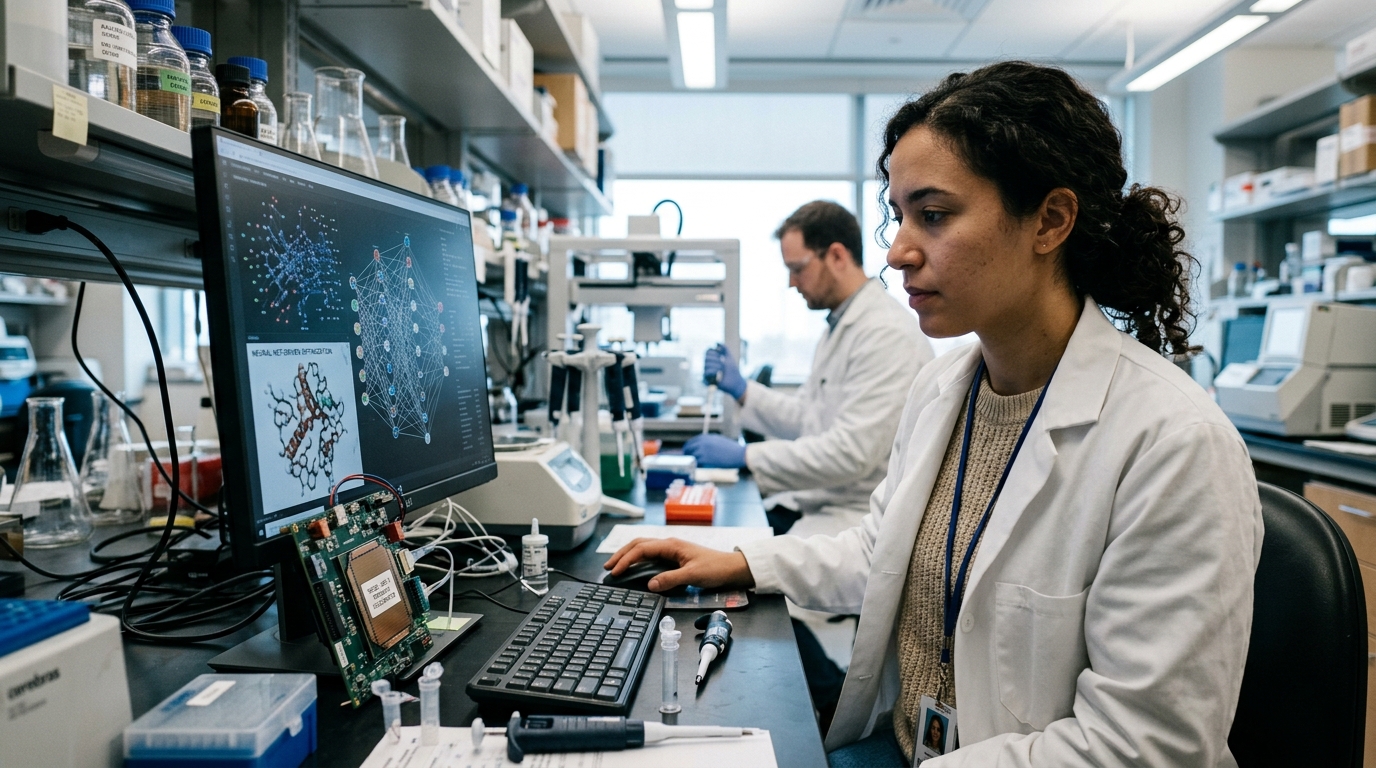
The completion of the Human Genome Project in the early 21st century gave us the 'parts list' of life. But knowing the names of the genes did not necessarily mean we understood how they work together. The new AI model, developed by leading researchers in computational biology, utilizes architectures similar to those of Large Language Models (LLMs) to 'read' cells. Instead of words in a sentence, the model is trained on the expression of thousands of genes simultaneously, learning the syntax and grammar of cellular function.
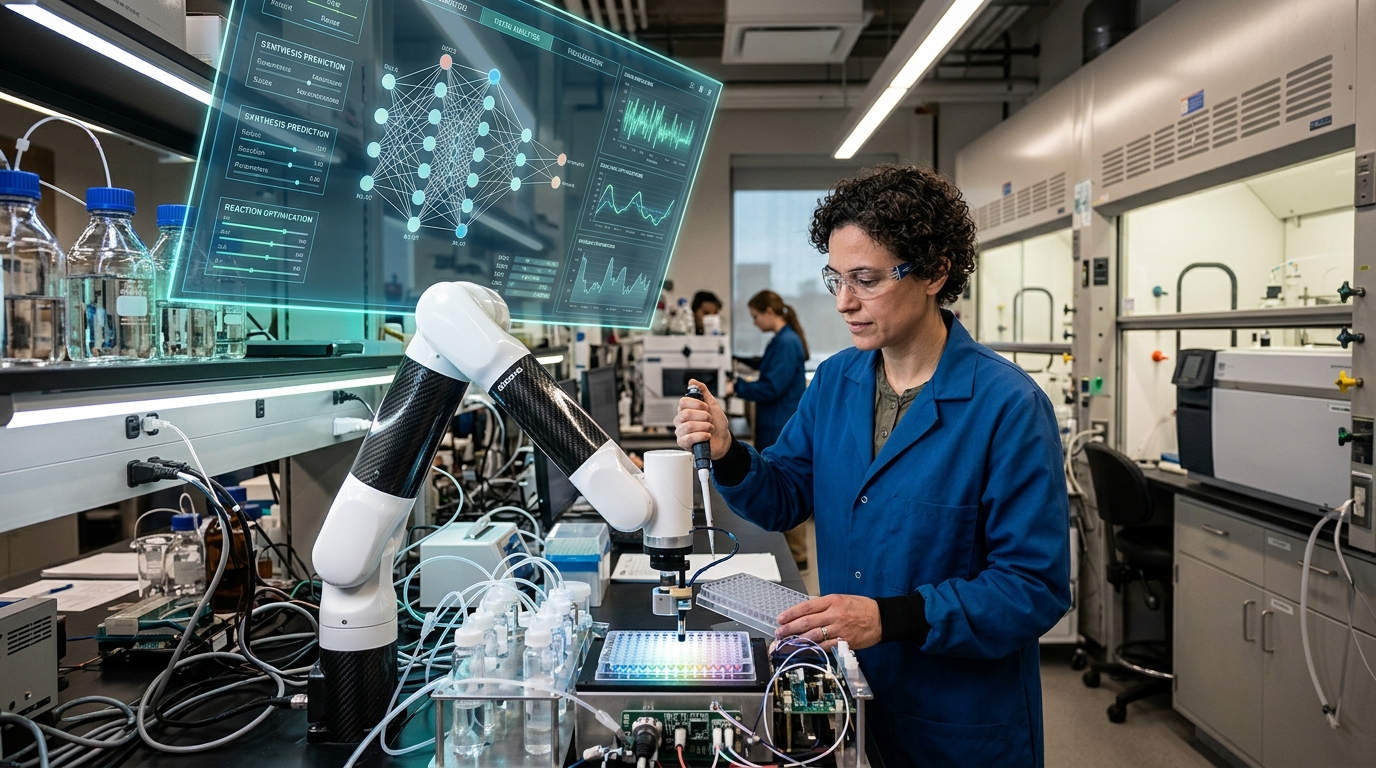
This approach allows scientists to predict what will happen if a gene undergoes a mutation or is artificially silenced. Until now, such experiments required years of laboratory testing. Now, AI can simulate billions of genetic combinations in seconds, identifying 'nodes' in the network that, if targeted, could halt the progression of a tumor or reverse a degenerative process.
The Single-Cell Analysis Revolution
The heart of this innovation lies in single-cell data analysis. Traditionally, researchers examined tissues as a whole, which led to an 'average value' that often missed critical details. The new AI model can distinguish subtle differences between a healthy nerve cell and one on the brink of Alzheimer's disease by analyzing how its gene network begins to collapse.
- Identifying Synergistic Actions: How two seemingly unrelated genes work together to trigger a disease.
- Predicting Side Effects: How a drug targeting one gene might inadvertently affect another pathway.
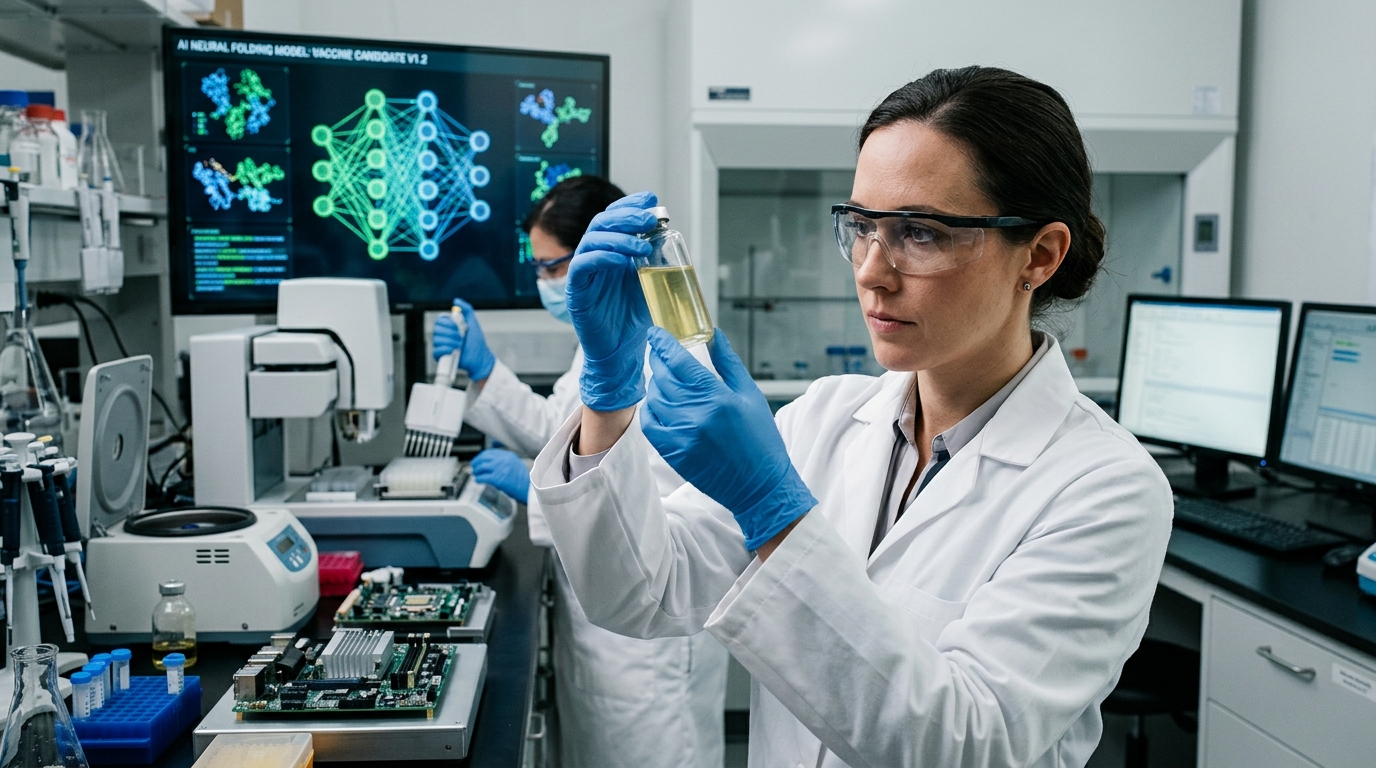
- Personalized Medicine: The potential to create 'digital twins' of a patient's cells to test treatments in silico.
Challenges and Ethical Dilemmas
Despite the excitement, the use of AI in genetics is not without challenges. The quality of predictions depends directly on the quality and diversity of the training data. There is a risk that models may exhibit bias if the data comes primarily from specific population groups, leaving other ethnicities behind. Furthermore, the ability to 'reprogram' cells via AI raises serious questions about the limits of genetic intervention in humans.
"We are not just mapping genes; we are mapping the logic of life itself. The responsibility that comes with this knowledge is proportional to its power," notes one of the lead researchers of the project.
In conclusion, we stand on the threshold of a new era where medicine will no longer be a science of trial and error, but a precise engineering discipline. AI's ability to understand gene collaboration promises to transform diagnosis and treatment, making diseases once thought incurable manageable or even fully curable.