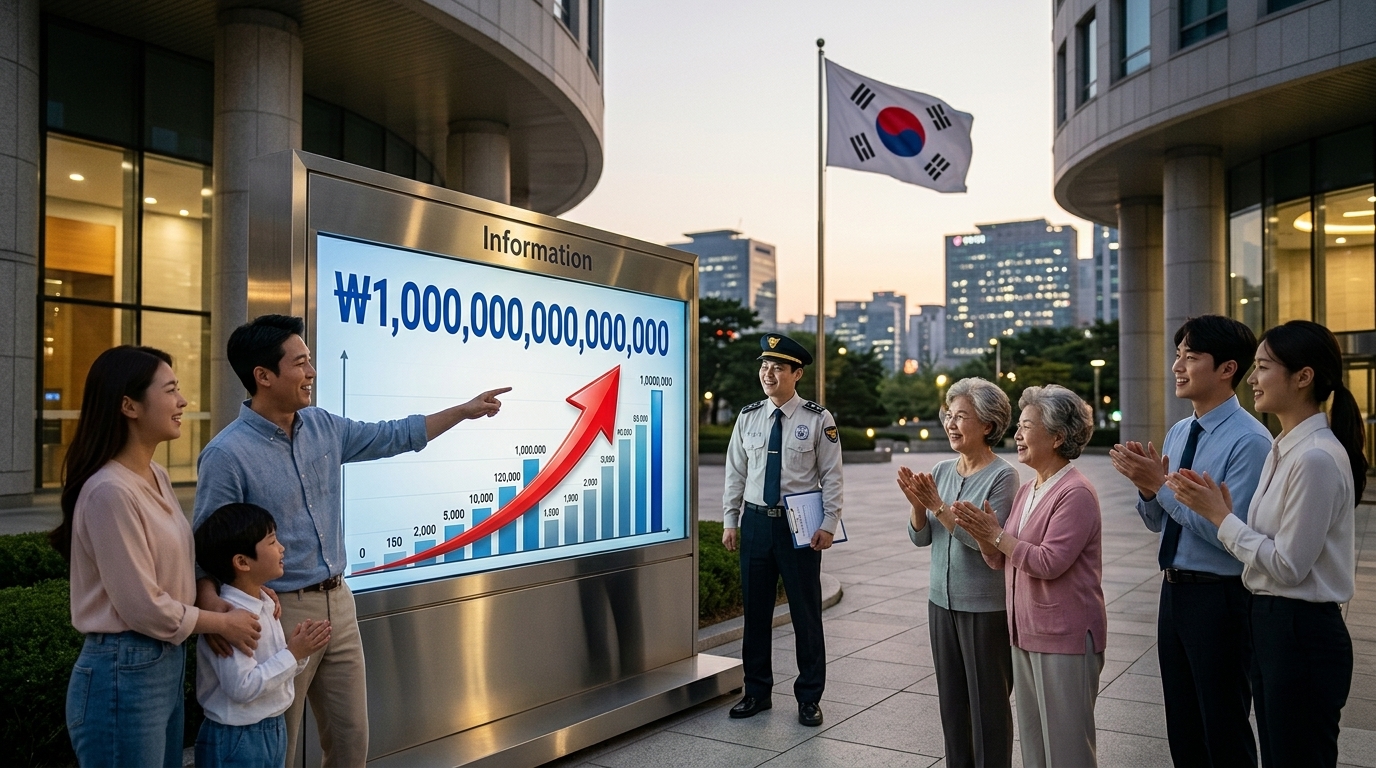
South Korea, Asia's fourth-largest economy, is currently at the heart of an unprecedented financial transformation. According to recent data from JPMorgan and analysis from domestic financial authorities, the total household wealth invested in capital markets is approaching the astronomical figure of 1 quadrillion won (approximately $730 billion). This development is not merely a number on a balance sheet; it is the result of a profound structural shift in how Korean citizens manage their savings, moving away from the traditional safety of real estate toward the high-octane volatility of stock market tickers.
The Rise of the 'Ants' and the Retail Revolution
For decades, South Korea suffered from the so-called "Korea Discount"—a lower valuation of its companies compared to global peers due to opaque governance within family-run conglomerates (chaebols) and meager dividend payouts. However, the 2020 pandemic ignited the "Donghak Ant Movement," where millions of retail investors flooded the Seoul Stock Exchange (KOSPI). This trend did not just survive; it ballooned in 2025 and 2026, as Artificial Intelligence cemented South Korea's role as an indispensable link in the global supply chain.
Retail investors in the country are no longer amateurs seeking quick flips. They have evolved into a potent political and economic force. Recognizing this influence, the Seoul government introduced the "Corporate Value-up Program," modeled after Japan's successful initiative. This program pressures listed companies to enhance shareholder returns, cancel treasury shares, and improve transparency. The market's response has been spectacular, leading to a re-rating of assets that has directly benefited the average household.
The Catalyst: AI and Semiconductors
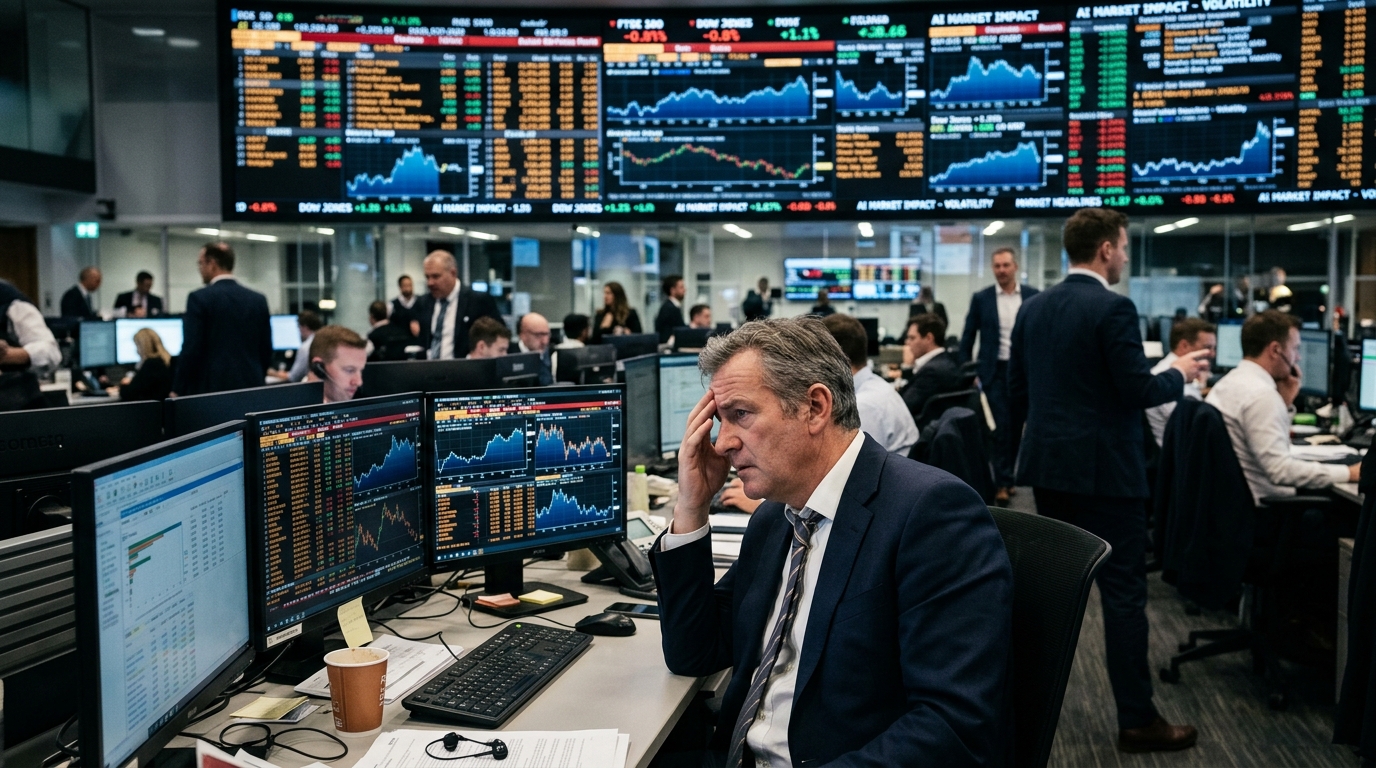
One cannot explain this "miracle" without mentioning the tech titans. Samsung Electronics and SK Hynix have become the ultimate protagonists of the AI era. With demand for High Bandwidth Memory (HBM) skyrocketing, the shares of these companies have seen explosive growth, pulling the entire ecosystem of suppliers along with them. Despite periodic liquidations and corrections, such as the one observed recently, the long-term trend remains decidedly bullish.
"South Korea is no longer just exporting cars and ships; it is exporting the infrastructure upon which global intelligence is built. This value is now flowing back to its citizens," notes a Seoul-based JPMorgan analyst.
This accumulation of wealth has also altered the country's consumption profile. With 1 quadrillion won circulating in equities, the "wealth effect" has stimulated domestic demand despite inflationary pressures. Koreans feel wealthier because their portfolios reflect the global dominance of their national champions.
Risks and Challenges on the Horizon
However, the picture is not without its shadows. The excessive exposure of households to the stock market carries systemic stability risks. South Korea maintains one of the highest levels of household debt-to-GDP in the world. Should the stock market undergo a prolonged crash, the impact on the real economy would be painful, as many investors have used leverage (borrowed money) to fuel their equity purchases.
- Volatility: Dependence on the semiconductor sector makes the market vulnerable to tech cycles.
- Demographics: An aging population means that in the future, many investors will begin liquidating their positions to fund retirement, putting downward pressure on prices.
- Geopolitics: Tensions on the Korean Peninsula and Sino-US relations remain the great unpredictable variables.
In conclusion, the 1 quadrillion won milestone represents a historic moment of validation for South Korea's economic strategy. The country has managed to turn a crisis into an opportunity, democratizing access to wealth through capital markets. The challenge for 2026 and beyond is to sustain this momentum through continuous improvements in corporate governance and the protection of retail investors from the market's sharpest edges.