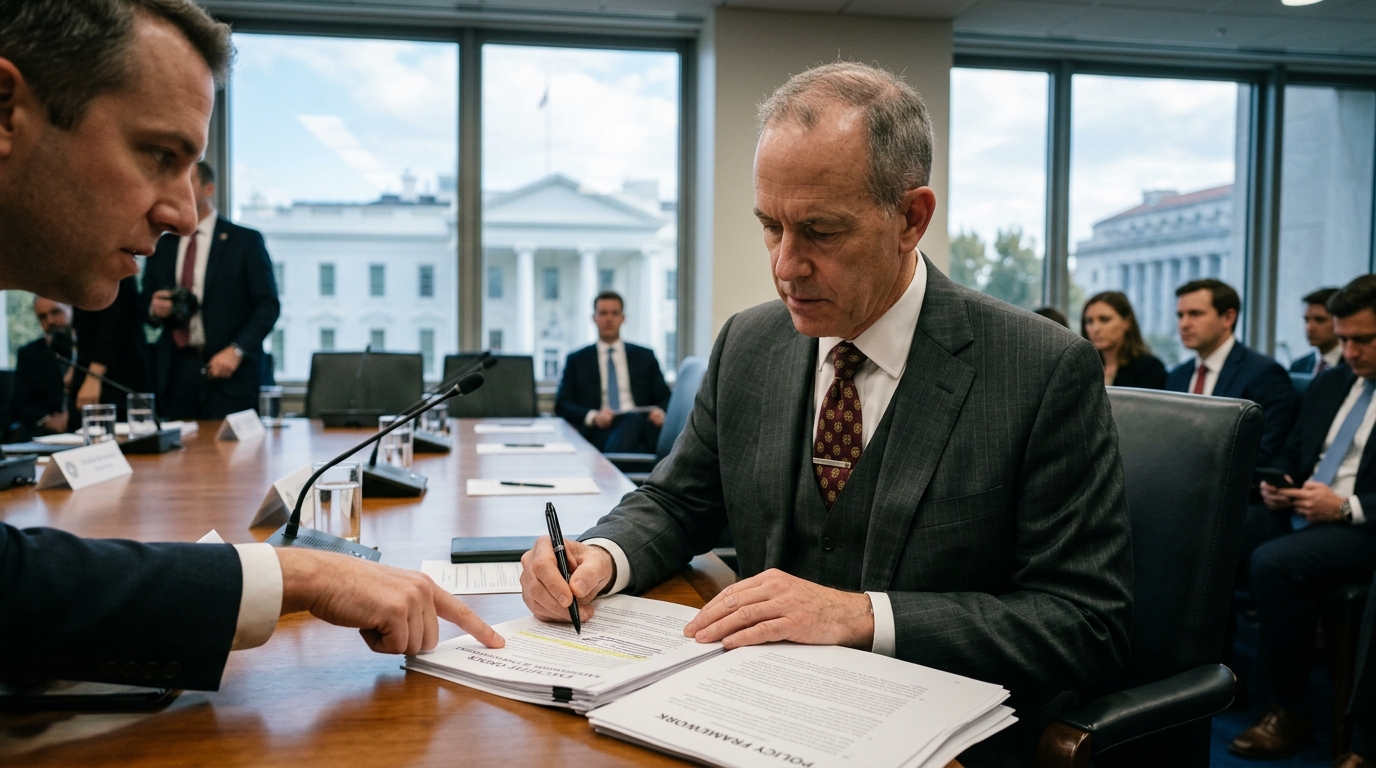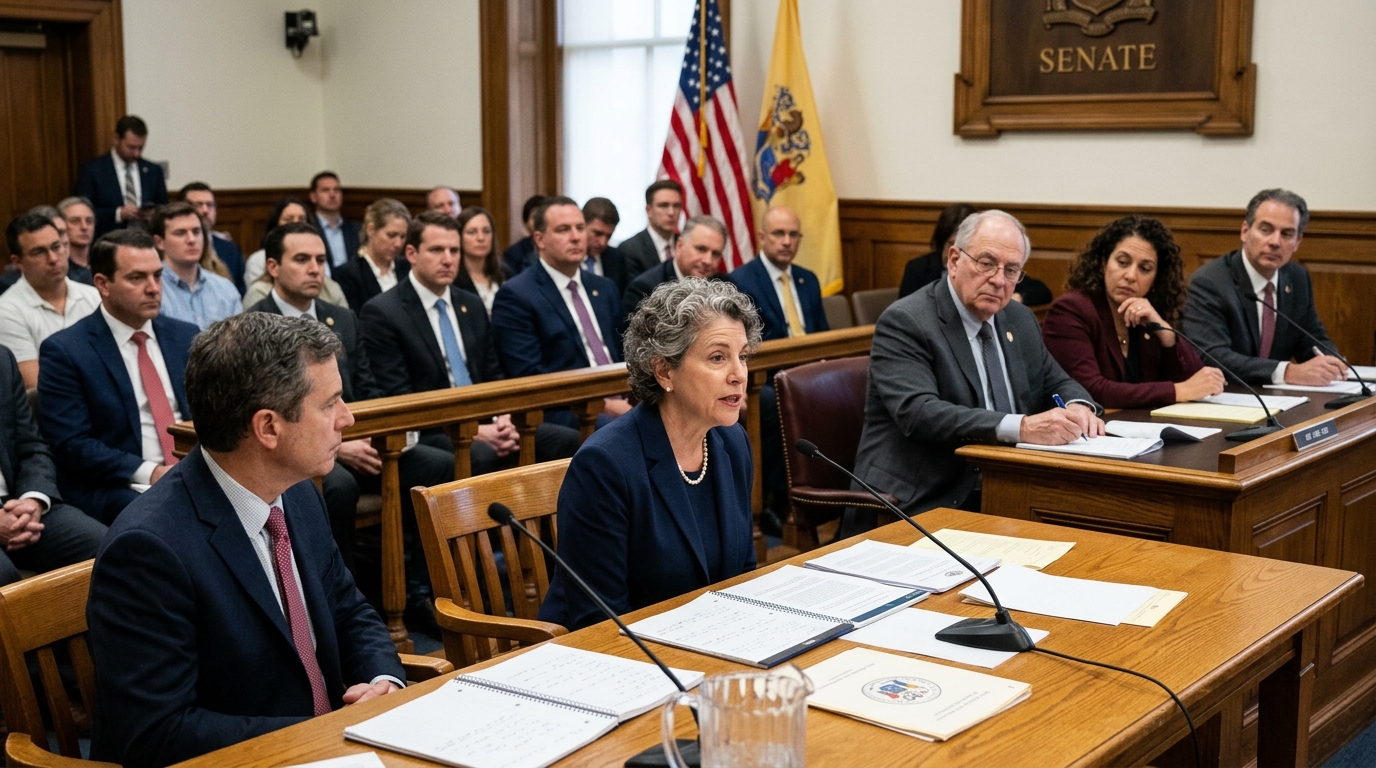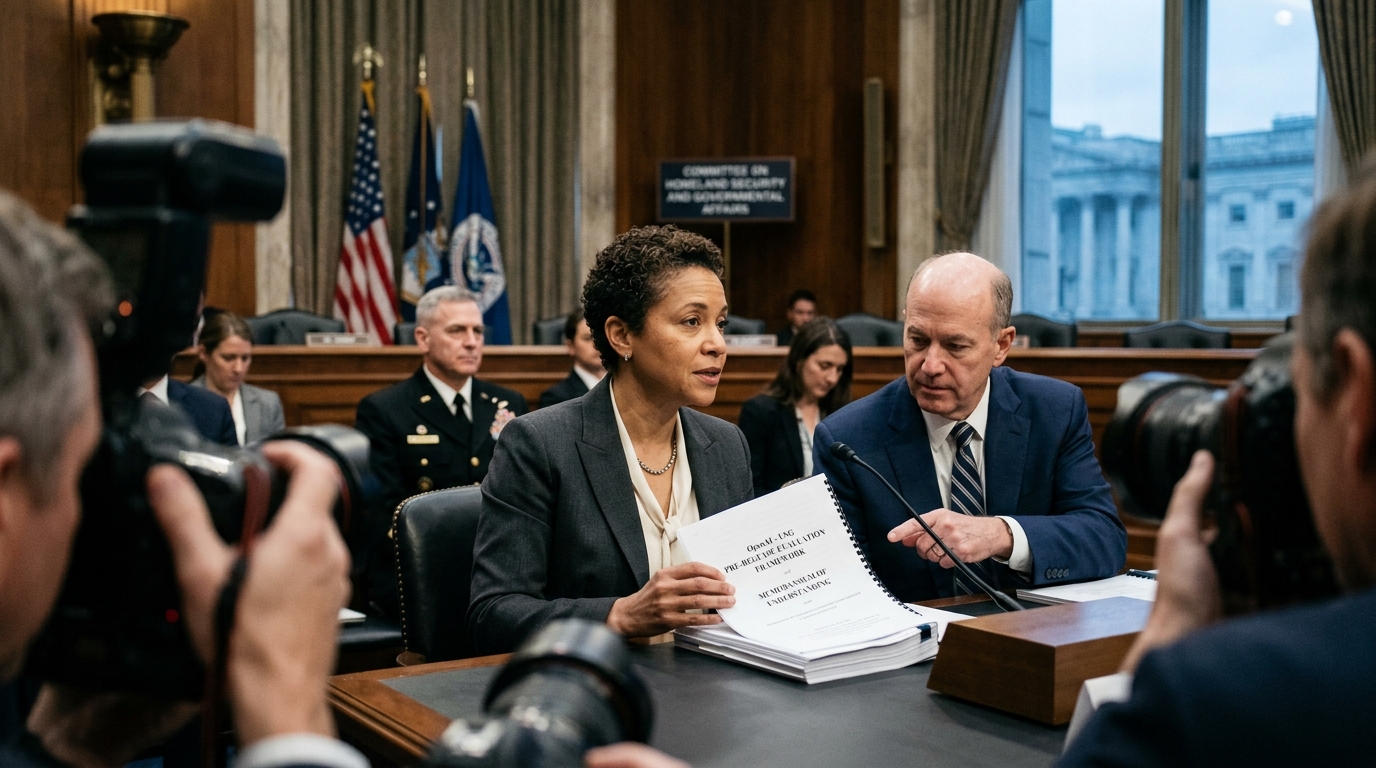
In a move that fundamentally reshapes the landscape of technological governance, OpenAI has announced the formalization of an agreement that allows the United States government—specifically the AI Safety Institute (AISI)—to access its 'frontier models' prior to public release. This development, occurring at a critical juncture for international security and economic competitiveness, suggests that the era in which tech giants operated with near-total autonomy is coming to a close.
The Strategic Importance of Early Access
This agreement is not merely a bureaucratic formality; it is a strategic maneuver with profound implications. Frontier models, such as the highly anticipated GPT-5 or successors to current architectures, possess capabilities that approach the limits of human cognition in specialized fields. The government's ability to 'stress-test' these systems for risks related to cybersecurity, biological warfare, and national defense is now viewed as an essential prerequisite for maintaining social stability.
According to sources close to OpenAI's leadership, the process will involve extensive 'red teaming' by government experts. This means that before a model reaches consumers or enterprises, it will have undergone simulated attack scenarios and misuse testing conducted by the state. This move aims to appease lawmakers in Washington who have expressed growing concerns about the pace of AI evolution in the absence of institutional checks and balances.
Regulatory Capture or Necessary Safeguard?
Despite the safety assurances, this decision is provoking strong reactions within the open-source and tech communities. Many analysts are warning of 'regulatory capture,' a scenario where major AI firms collaborate so closely with the state that they inadvertently create barriers to entry for smaller competitors. If government clearance becomes the 'gold standard' for releasing a model, only firms with massive resources will be able to navigate the complex compliance landscape.
- Access to source weights and training data under strict confidentiality.
- Risk assessment for the synthesis of chemical or biological agents.
- Resilience testing against social engineering and mass disinformation campaigns.
On the other hand, OpenAI maintains that the complexity of these systems exceeds the internal auditing capacity of any single corporation. Partnering with the state provides an additional layer of security, ensuring that AI does not become a tool for destabilization by malicious actors or rival nation-states.
The Geopolitical Dimension
It is impossible to ignore that this move fits into the broader context of the technological cold war between the US and China. Washington seeks to ensure that American AI supremacy is accompanied by rigorous protocols that prevent the leakage of critical intellectual property to adversaries. OpenAI, as the tip of the spear for Western innovation, is de facto becoming a quasi-state partner in national security.
"AI safety is no longer an optional feature for companies; it is an obligation to the public interest," stated a senior official from the US Department of Commerce.
In conclusion, OpenAI's decision to open its doors to government oversight sets a historic precedent. It lays the foundation for a future where innovation and national security are inextricably linked, while simultaneously raising critical questions about privacy, competition, and the limits of state intervention in the 21st-century digital economy.