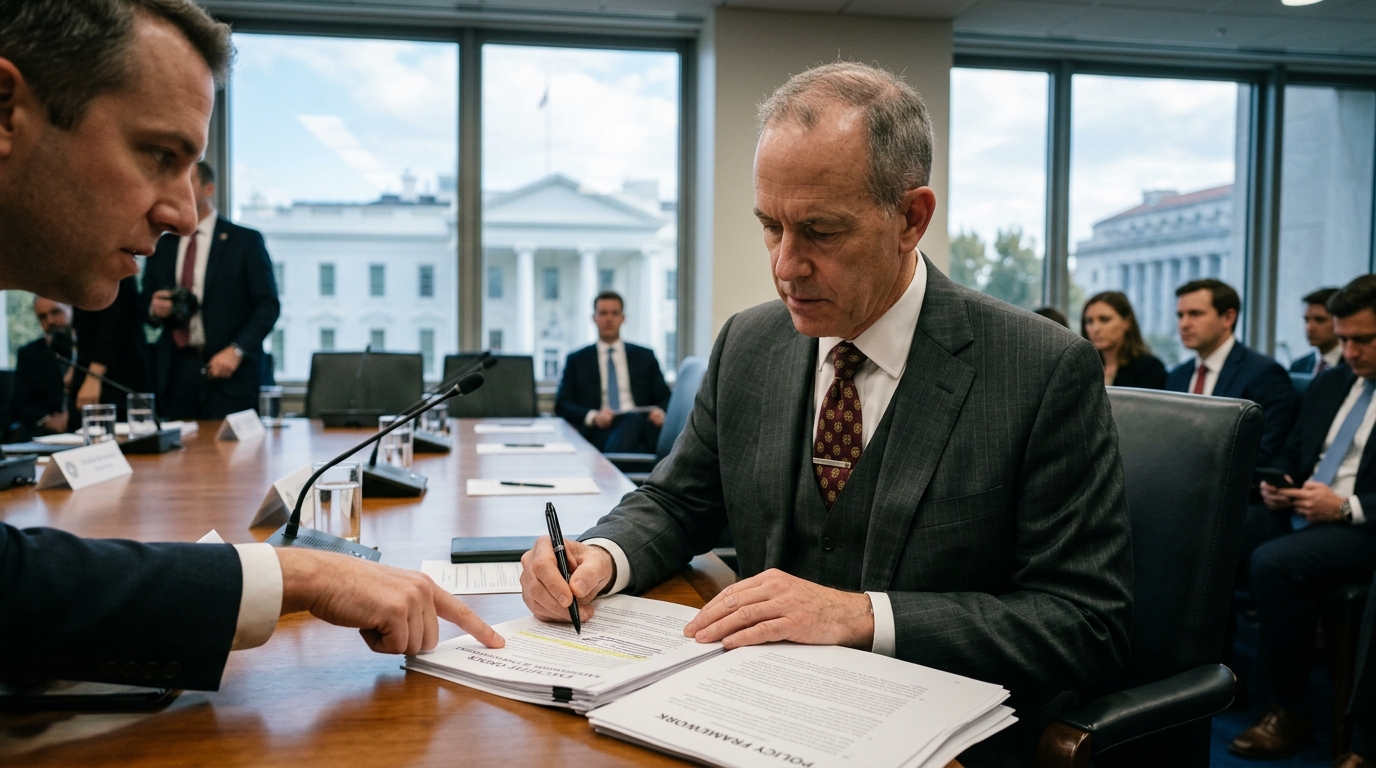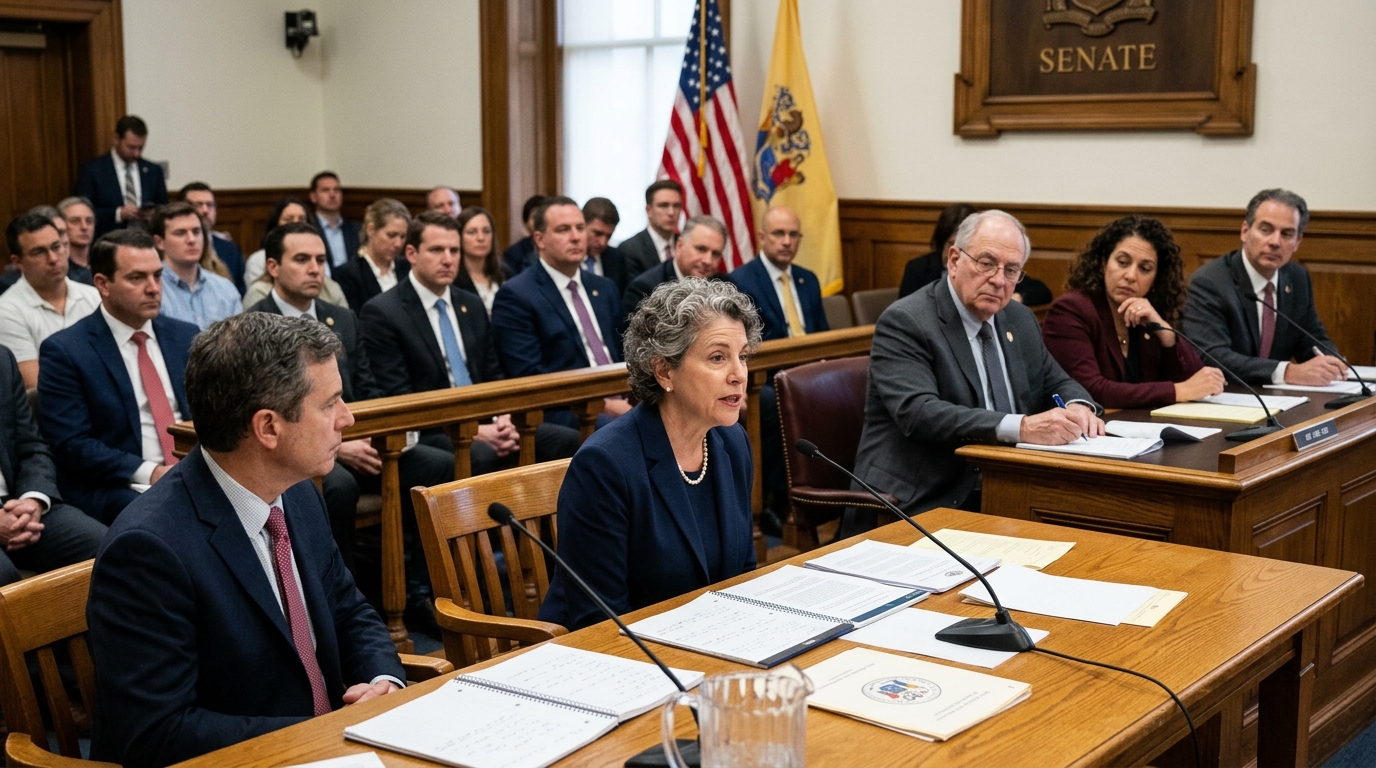
In an era where Artificial Intelligence (AI) is no longer a science fiction scenario but a daily reality in workplaces, the State of New Jersey is taking proactive measures. The joint hearing of the Senate Labor Committee and the Senate Economic Growth Committee marks a critical turning point in the political response to the technological revolution. As we navigate 2026, the need for a regulatory framework that balances economic competitiveness with social protection is more urgent than ever.
The Automation Challenge and Workforce Displacement
The central theme of the hearing revolves around the specter of automation. New Jersey Senate Democrats recognize that AI has the potential to displace thousands of workers, from manufacturing to services and administrative positions. However, the discussion is not limited to job loss; it extends to job transformation.
- What skills will be essential in the 2030 labor market?
- How can traditional sectors, such as pharmaceuticals and logistics—which thrive in New Jersey—integrate AI without sacrificing human capital?
- What is the state's role in re-skilling the workforce?
According to expert testimony during the hearing, AI is not a "job killer" in the traditional sense, but a catalyst for change. The challenge lies in the fact that the speed of technological evolution far exceeds the pace at which the educational system and state mechanisms can adapt.
Algorithmic Transparency and Labor Rights
One of the thorniest issues discussed is the use of algorithms in hiring and personnel management. "Algorithmic bias" now poses a serious risk to equal opportunity in employment. Lawmakers are considering imposing strict transparency rules, requiring companies to prove that the AI systems they use do not discriminate based on race, gender, or age.
"We cannot allow 'black box' algorithms to decide who has access to work and who does not, without any accountability," a committee member stated during the opening remarks.
Furthermore, the hearing touched upon "digital surveillance." With AI enabling second-by-second productivity monitoring, the lines between efficiency and occupational burnout are becoming blurred. The New Jersey Senate seems to be leaning toward creating a "Digital Bill of Rights" for workers, which would limit the intrusive use of technology on private life and mental health.
Re-skilling: The New Social Contract
The solution to the AI dilemma is not prohibition, but adaptation. The hearing highlighted the need for a new "social contract" that places re-skilling at the heart of public policy. Proposals for tax incentives for businesses that invest in AI training for their employees, as well as strengthening community college programs, were on the negotiating table.
New Jersey, as home to many Fortune 500 companies, has the opportunity to become a model for the entire United States. If it manages to create an environment where innovation goes hand-in-hand with job security, it will prove that technological progress does not have to be a zero-sum game. The final report of the joint hearing is expected to form the basis for a series of bills to be introduced later this year, shaping the future of work in the State for decades to come.