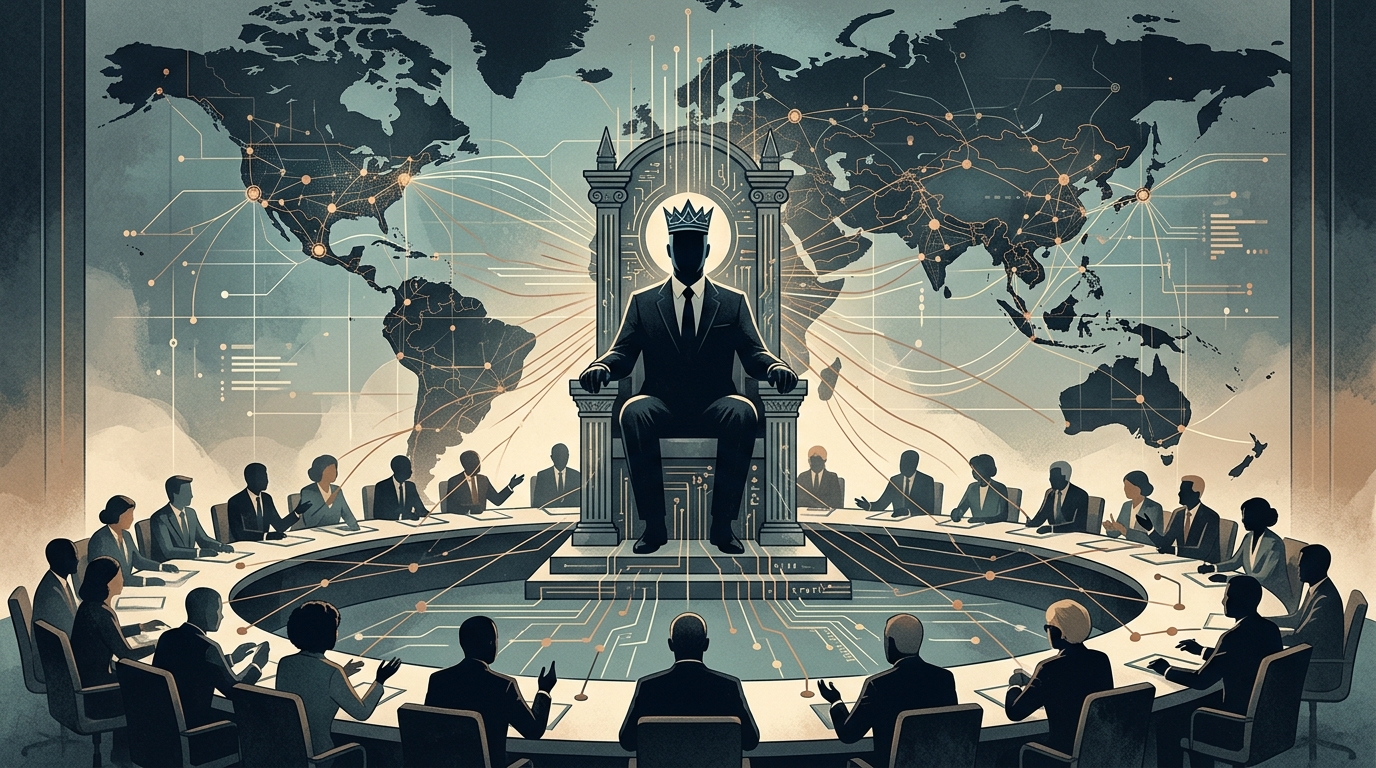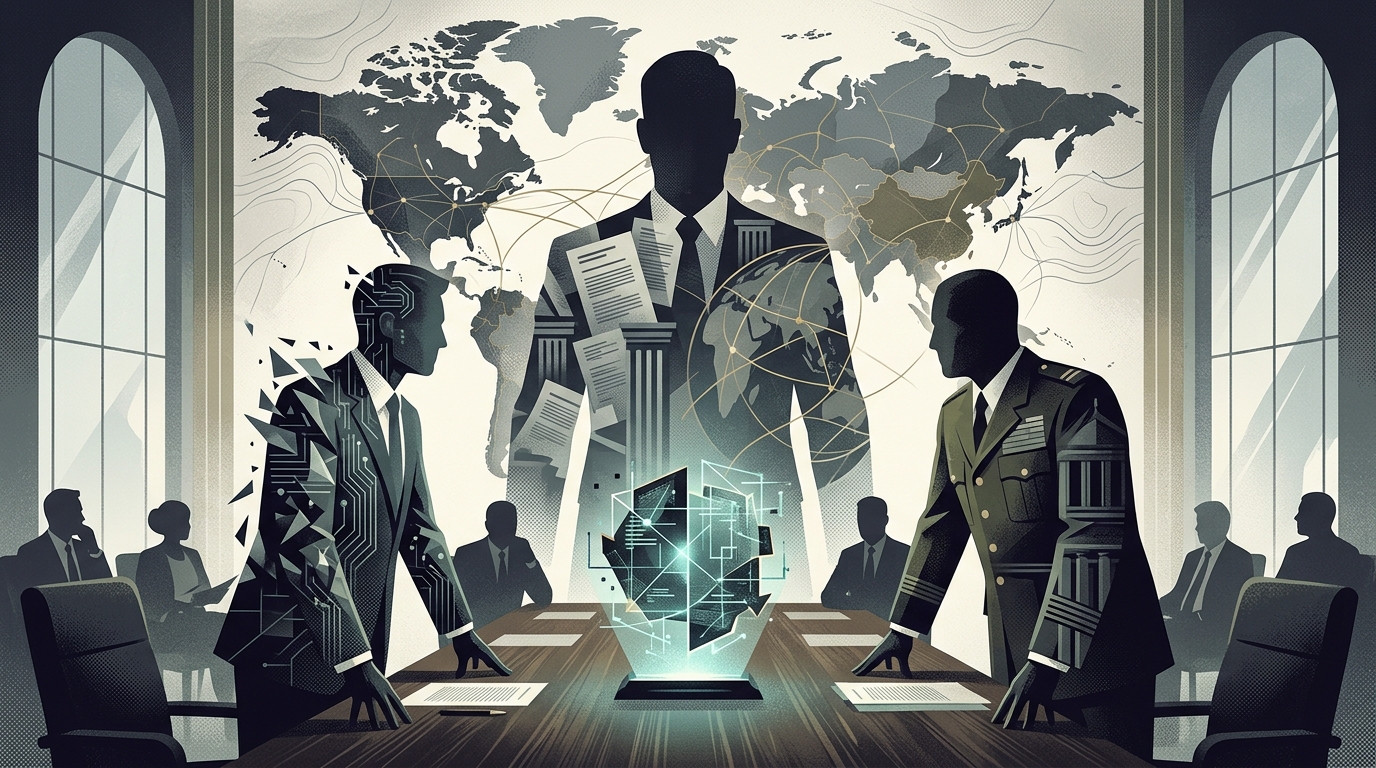
In a move that signals the full alignment of American technological prowess with national security, President Trump has signed a pivotal National Security Memorandum aimed at resolving the long-standing friction between AI startup Anthropic and the Department of Defense. This action is not merely a bureaucratic adjustment but a fundamental shift in how the United States intends to weaponize Artificial Intelligence (AI) on the battlefield and in intelligence operations.
A Clash of Philosophies: Safety vs. Strategy
For months, Anthropic, the company behind the Claude model, found itself in a unique standoff with the Pentagon. Founded on the principles of "safe" and "ethical" AI development, the company had imposed strict restrictions on the military use of its models, fearing the implications of autonomous decision-making in lethal systems. Conversely, the Pentagon viewed Anthropic’s technology—particularly its "Constitutional AI" framework—as an essential tool for analyzing vast datasets and making real-time strategic decisions.
The new Trump memorandum effectively "breaks the ice," enforcing a framework that facilitates military access to advanced models while providing legal safeguards to tech companies. These safeguards aim to ensure that collaboration with the armed forces does not lead to legal liability or catastrophic public relations fallout. According to White House sources, the logic is straightforward: "If we don't lead with our values, China will lead with theirs."
The China Factor and the 'New Manhattan Project'
The geopolitical dimension is the primary driver behind this executive action. With Beijing investing billions into military AI, Washington believes it cannot afford to let private-sector ethical hesitations delay national defense. The memorandum classifies AI development as a "matter of existential survival" for the U.S., explicitly likening the current effort to the Manhattan Project.
- Acceleration of procurement processes for AI systems.
- Creation of "secure sandboxes" for experimentation within military installations.
- Provision of incentives for companies that prioritize Pentagon requirements.
Anthropic, despite its initial reservations, appears to be pivoting under the pressure of this new reality, seeking a middle ground where its models are utilized for defensive and analytical purposes, while attempting to avoid direct integration into kinetic weapon systems.
Silicon Valley’s Reaction
The move has sparked mixed reactions across Silicon Valley. While venture capitalists see massive profit potential from lucrative government contracts, many researchers express deep concern over the erosion of scientific independence. The "militarization" of AI now seems inevitable, and the Trump memorandum serves as the official seal on this new era, where technology is no longer just a tool for progress but a primary instrument of national power.
"The era of neutrality for artificial intelligence is over. You are either with America, or you are against it," stated a senior administration official.
In conclusion, this intervention is expected to accelerate the integration of Large Language Models (LLMs) into the operational structures of the military, turning Claude and similar models into digital advisors for generals. The remaining question is whether the safety guardrails Anthropic so insistently fought for will survive the heat of a real-world geopolitical crisis.