In an era where productivity is measured by algorithms and efficiency is exhausted in nanoseconds, returning to the roots of philosophical thought feels not only necessary but imperative. The phrase "Pleasure in the job puts perfection in the work," attributed to Aristotle, is not merely a tasteful quote for modern office walls; it is a fundamental truth about human nature. Today, as Artificial Intelligence (AI) takes over an increasing share of our work tasks, the question remains: can technology enhance this "pleasure," or is it annihilating it?
Aristotelian Eudaimonia and the Modern Workplace
For Aristotle, work was not an isolated activity but an integral part of "eudaimonia"—the fulfillment of human potential through virtue and reason. When a worker finds meaning and joy in what they do, their "techne" (in the ancient Greek sense of skill and craft) reaches its zenith. Perfection is not a static goal but a byproduct of internal satisfaction. In a modern context, this translates to the need for autonomy, creativity, and a connection to the final product of our labor.
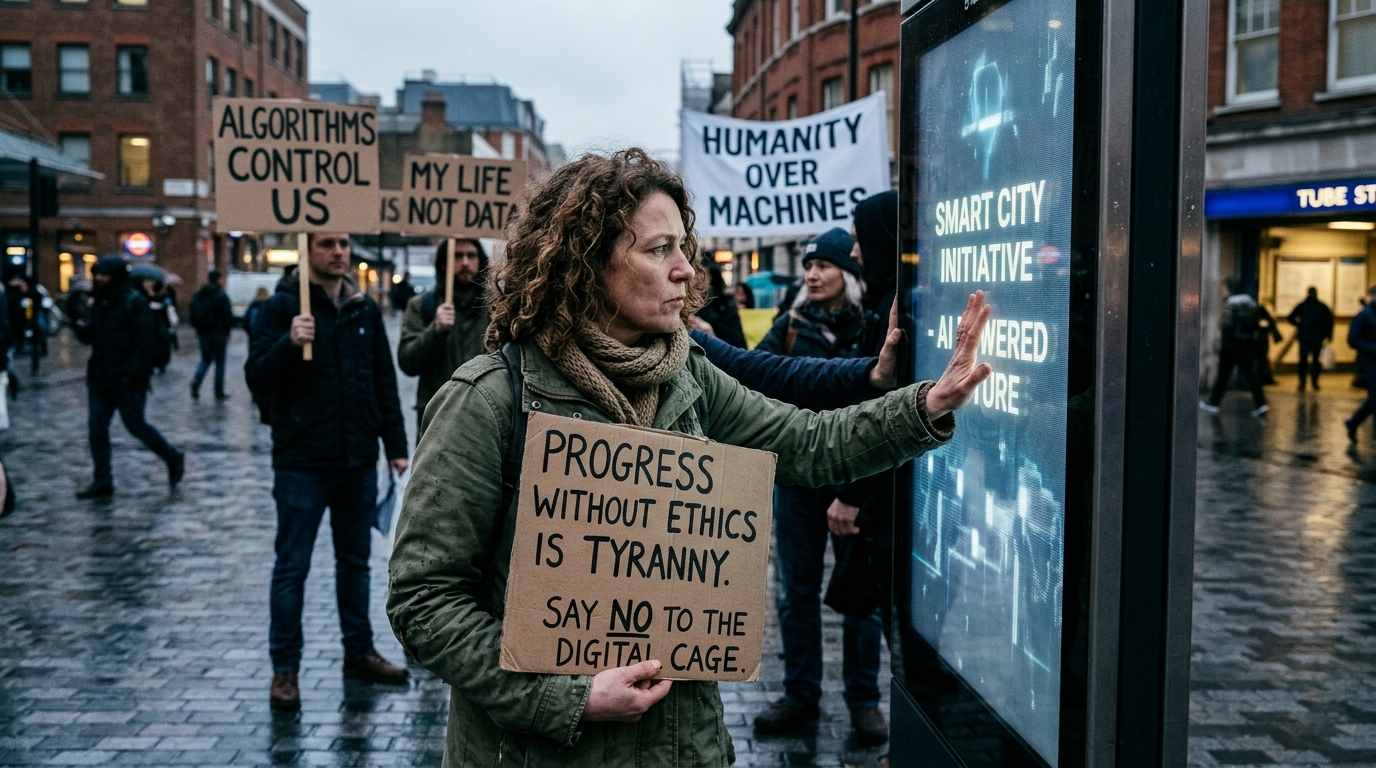
However, the industrial and digital revolutions often led to alienation. The worker became a cog in a machine, performing repetitive motions without seeing the whole. Here, Artificial Intelligence enters as a double-edged sword. On one hand, it promises to liberate us from the "drudgery" of data processing, allowing us to focus on strategy and creation—where true pleasure lies. On the other hand, there is the risk that AI will turn work into a cold process of algorithmic supervision, stripping away the human element of craftsmanship.
Artificial Intelligence as a Catalyst for "Perfection"
Perfection in work requires time, focus, and experimentation. AI offers tools that can accelerate learning and reduce errors. In the medical field, for instance, a radiologist using AI for diagnosis is not replaced but augmented. Reducing the stress of potential human error can restore the pleasure of service and scientific discovery. When technology removes the burden of monotony, humans can return to the essence of their work.
- Automation of repetitive tasks that cause mental fatigue.
- Enhancement of creativity through Generative AI as a collaborative "sparring partner."
- Personalization of training and professional development.
- Improving work-life balance through increased efficiency.
Nevertheless, the ethical dimension is critical. If pleasure in work stems from a sense of accomplishment and personal contribution, what happens when AI does 90% of the work? The challenge for future businesses is to redesign roles so that humans remain the "architects" and not just the "operators."
The Psychology of Work and the Crisis of Meaning
The phenomena of "Quiet Quitting" and the "Great Resignation" seen in recent years are stark evidence that a lack of pleasure leads to a collapse in quality. Work without passion is merely a transaction of time for money. Aristotle would argue that such a life lacks "telos" (purpose). The integration of AI must be guided by a human-centric approach. Business leaders must ask: "How will this tool make my employee feel more fulfilled?" rather than just "How will it increase the profit margin?"
"Quality is never an accident. It is always the result of high intention, sincere effort, intelligent direction, and skillful execution." – John Ruskin
This "high intention" is what connects pleasure to perfection. In the 21st century, perfection is no longer the absence of errors—machines do that better—but the presence of inspiration, empathy, and critical thinking. Pleasure arises from solving complex problems that require human judgment, something that AI, despite its progress, cannot fully substitute.
Conclusion: Reclaiming the Human Element
Aristotle’s insight remains more relevant than ever. Perfection in work is not achieved through coercion or mindless automation, but through cultivating an environment where work is a source of satisfaction. Artificial Intelligence is not the enemy of pleasure, but a tool that can return to us the time we lost in meaningless activities. If we use it correctly, we might reach a new era of "professional renaissance," where work becomes once again an act of creation rather than a forced survival mechanism.