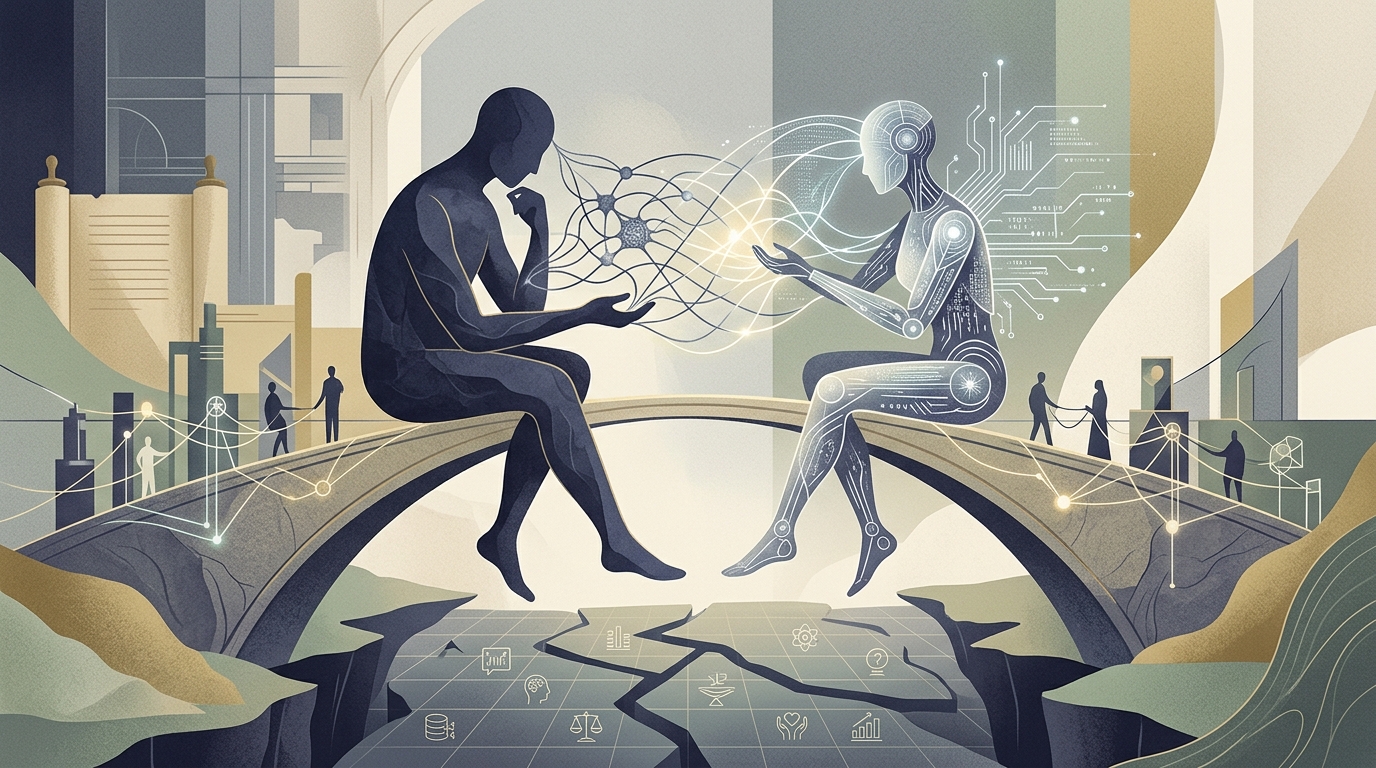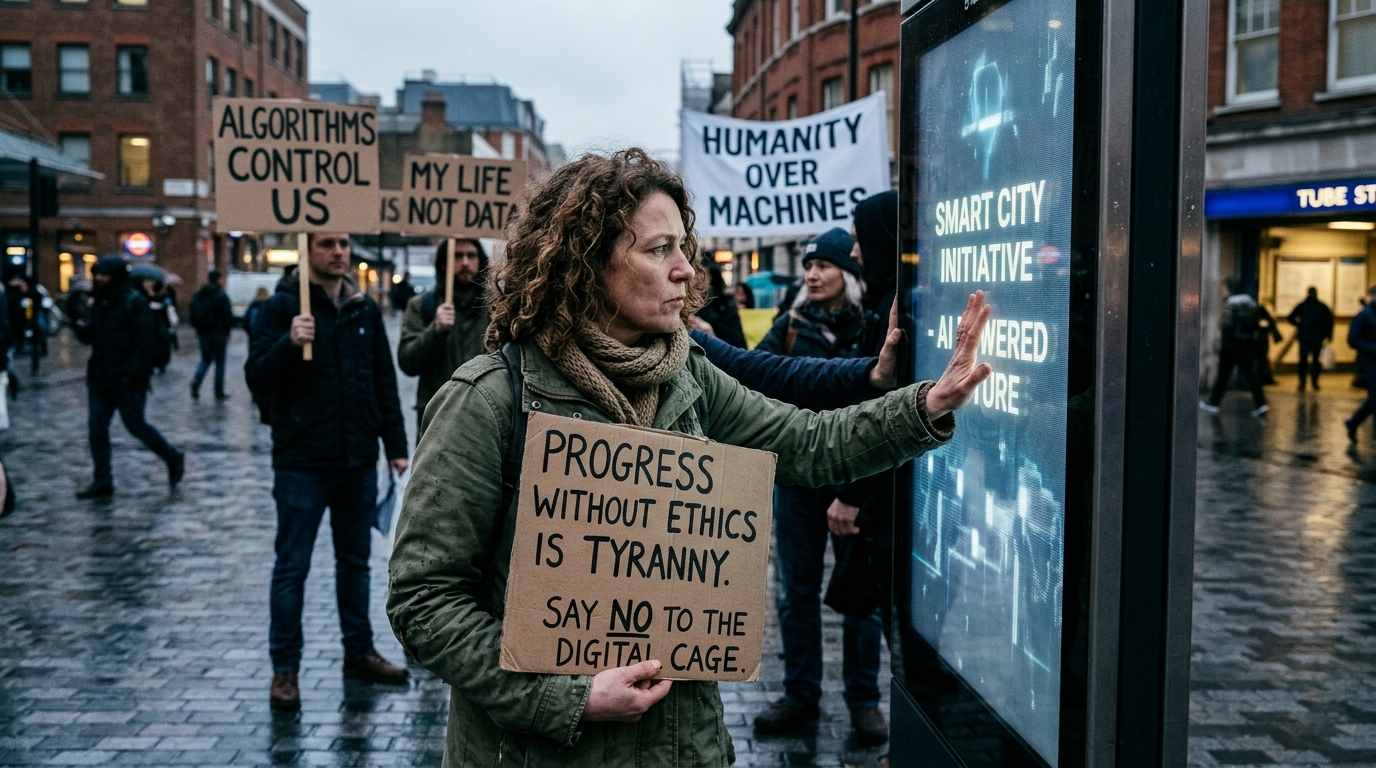
The history of technological advancement has never been a linear path of seamless adoption. From the Luddites of the Industrial Revolution to the nuclear energy skeptics of the 20th century, every leap forward has triggered an equal and opposite reaction. However, in 2026, we are facing something qualitatively different. The current AI boom is not just causing anxiety over job displacement; it is fueling a new, virulent form of anti-tech extremism that is beginning to seriously alarm global security agencies.
The Illusion of Control and Social Resentment
The primary argument of these emerging extremist groups is not a simple rejection of tools, but a profound sense that humanity has lost control of its own destiny. The velocity with which Large Language Models and autonomous decision-making systems have been integrated into daily life—largely without meaningful democratic consultation—has created a power vacuum. For many, AI does not represent progress, but a form of 'tech-feudalism,' where a Silicon Valley elite dictates the rules of social and economic survival.
This sense of powerlessness is rapidly curdling into rage. According to recent analyses, there is a growing convergence between radical environmentalists and traditional anarchist groups. They view data centers as the new 'temples' of oppression. The staggering energy and water consumption required to train frontier AI models provides the moral pretext for infrastructure attacks, framing these actions as 'planetary self-defense.'
From the Web to the Streets: The Path to Radicalization
Anti-tech hate speech is no longer confined to the fringes of the Dark Web. It is proliferating on mainstream platforms, where AI is blamed for everything from the erosion of the middle class to the death of human creativity. The most dangerous aspect of this trend is its cross-ideological appeal. Both the far-right, fearing a loss of national sovereignty and 'digital replacement,' and the radical left, focusing on labor exploitation, have found a common enemy in the algorithm.
Authorities are reporting a disturbing uptick in the harassment of AI researchers and tech executives. These are no longer just threatening emails; they are coordinated efforts at sabotage. The 'political violence' highlighted by The Guardian is not a theoretical possibility but a manifesting reality, seen in arson attacks on 5G towers and sophisticated cyber-attacks against firms developing military-grade AI.
The Failure of Institutions
Why are democratic institutions failing to contain this wave? The answer lies in the inability of legislation to keep pace with innovation. While the EU and the US attempt to establish ethical frameworks, the public perception is that tech giants are 'too big to regulate.' When citizens feel that the legal system cannot protect them from algorithmic caprice, resorting to extremism becomes an attractive, if destructive, outlet for the most disillusioned.
"We are not fighting the machines; we are fighting the system that uses them to make us obsolete," reads a manifesto recently circulated in European capitals.
This distinction is vital. The modern anti-tech extremist is not necessarily a technophobe living in the woods. Often, they are highly educated individuals who understand the technology well enough to undermine it from within. Their use of encrypted communications and decentralized organizational structures makes them exceptionally difficult for traditional law enforcement to track.
Conclusion: The Need for a New Social Contract
Addressing anti-tech extremism requires more than just policing; it demands a radical rethinking of how we introduce innovation into society. If AI continues to be perceived solely as a tool for profit maximization at the expense of social cohesion, violence will inevitably escalate. The challenge for 2026 and beyond is to prove that technology can be human-centric, not just in marketing slogans, but in practice. Without a meaningful redistribution of the power and benefits generated by AI, the path toward social peace will remain fraught with danger.