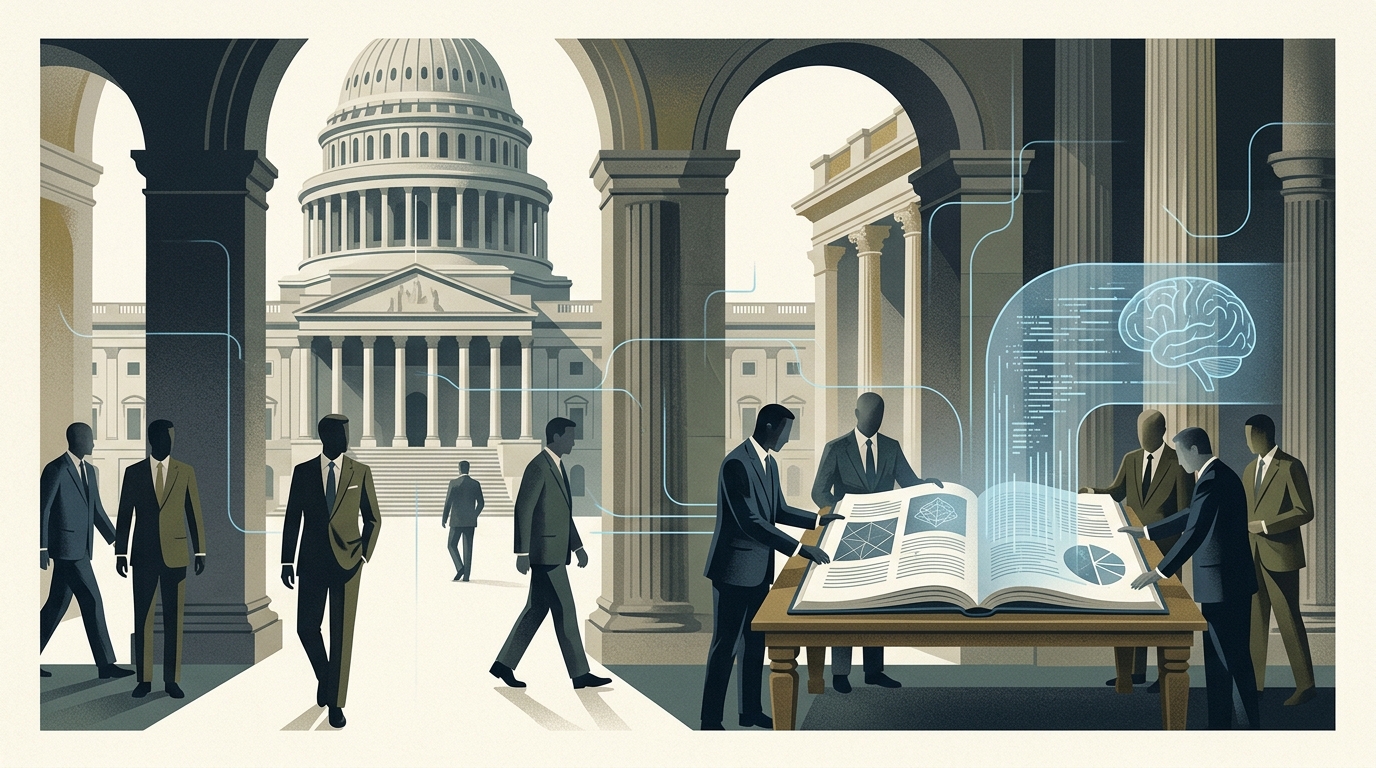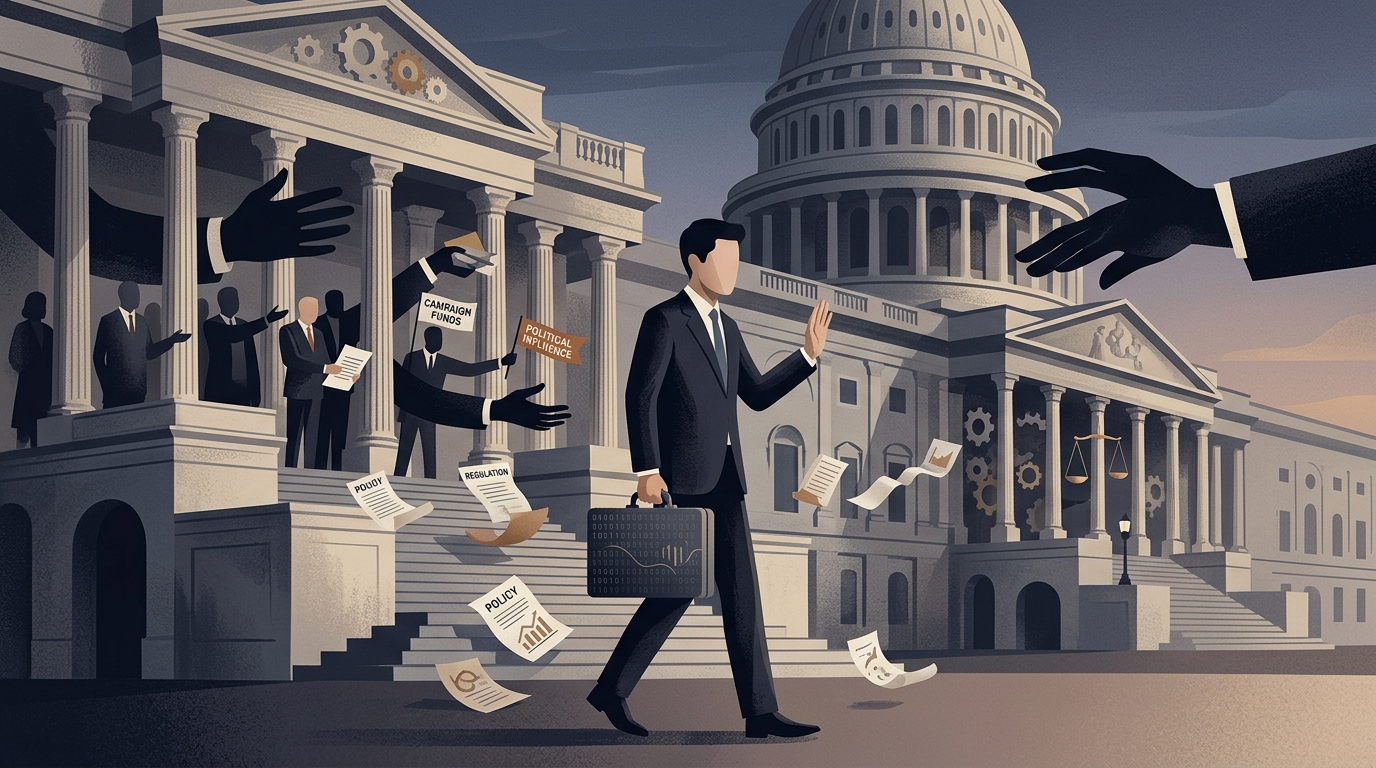
In an era where artificial intelligence is no longer just a technological tool but a central pillar of geopolitical and domestic policy, Sam Altman, the man behind OpenAI, has made a statement that resonated across Washington. By announcing his decision not to directly fund political campaigns for the 2026 US midterm elections, Altman is attempting to draw a line between his personal wealth and his company's meteoric rise. However, in the halls of power, the silence of money rarely equates to a silence of influence.
The Strategy of Selective Abstention
Altman’s move stands in stark contrast to the actions of other Silicon Valley titans. While figures like Elon Musk and Peter Thiel have repeatedly leveraged their financial might to support candidates favoring deregulation or specific ideological agendas, Altman appears to be adopting the role of the “diplomat.” OpenAI is at a critical juncture, transitioning from a non-profit structure to a for-profit entity with a valuation nearing hundreds of billions of dollars. In this context, aligning with a specific political party could be fatal for the company’s relationship with regulators, regardless of who controls Congress.
Analysts point out that refusing to fund campaigns is not synonymous with political apathy. On the contrary, it is a carefully calculated move to avoid polarization. Altman understands that AI is one of the few issues that garners bipartisan interest—and bipartisan fear. By remaining “above” partisan donations, he maintains access to both sides of the aisle, presenting himself as a technocrat concerned with “humanity’s safety” rather than the victory of Democrats or Republicans.
Lobbying and the Shadow of Regulatory Capture
Despite abstaining from direct political donations, OpenAI has drastically increased its lobbying expenditures in Washington. Throughout 2025 and the first half of 2026, the company hired dozens of former government officials and policy experts, creating a machine aimed at influencing AI legislation before it is even drafted. This practice, known as “regulatory capture,” allows large corporations to shape the rules of the game in a way that favors them while setting insurmountable hurdles for smaller competitors.
- OpenAI is advocating for licensing requirements for large AI models, which critics view as an attempt to create a moat against open-source competition.
- Altman’s appearances at Congressional hearings have become more frequent, where he calls for “smart regulation.”
- The strategic partnership with Microsoft provides additional political weight, as the two giants align their interests against the EU’s regulatory framework and China’s technological ambitions.
Altman’s choice to eschew campaign funding can also be interpreted as an effort to protect his personal brand. In an age where tech CEOs are viewed with increasing suspicion, Altman wants to avoid the image of a political “puppet master.” However, his critics argue that true power does not lie in a $5,000 donation to a candidate, but in the control of data and algorithms that will be used to target voters in the upcoming elections.
AI as a Political Tool in the 2026 Elections
The June 2026 midterms are considered the first elections held under the full shadow of generative AI models. The ability to create high-fidelity deepfakes, automate the drafting of propaganda, and micro-target voters on a scale unimaginable two years ago makes OpenAI an involuntary (or voluntary) regulator of the democratic process. By declaring he won't fund campaigns, Altman is attempting to distance himself from the responsibility of how his tools might be used by third parties for disinformation.
“Artificial intelligence will change politics more than any other technology in history. Our responsibility is to ensure that this change is for the better,” he stated at a recent forum.
However, the reality is more complex. OpenAI has already implemented restrictions on using ChatGPT for political campaigning, but the effectiveness of these measures remains a subject of intense debate. By refusing to engage financially, Altman sends a message that his company is a “public utility” rather than a partisan weapon. In practice, the political battle for AI is just beginning, and the decisions made in the coming months will determine whether technology strengthens democracy or leaves it at the mercy of algorithms.
Conclusion: A New Form of Political Influence
Sam Altman’s stance reflects a new generation of Silicon Valley leaders who understand that traditional political action is becoming obsolete. Power no longer flows solely from the wallet, but from the ownership of computational power and intelligence. Altman may not be signing checks for political ads, but his algorithms are already writing the future of political communication. His “neutrality” is, in fact, the most sophisticated form of political intervention: one that makes itself indispensable to everyone, regardless of ideology.