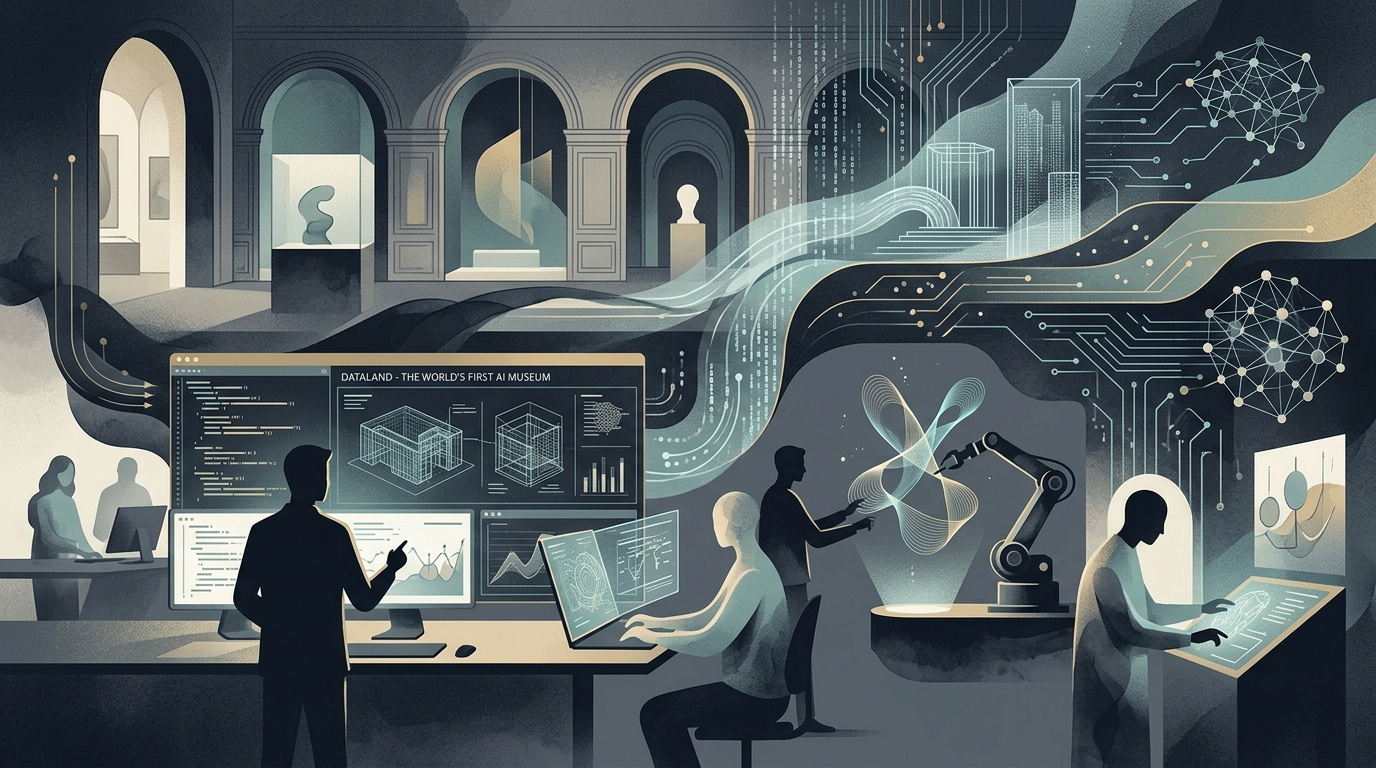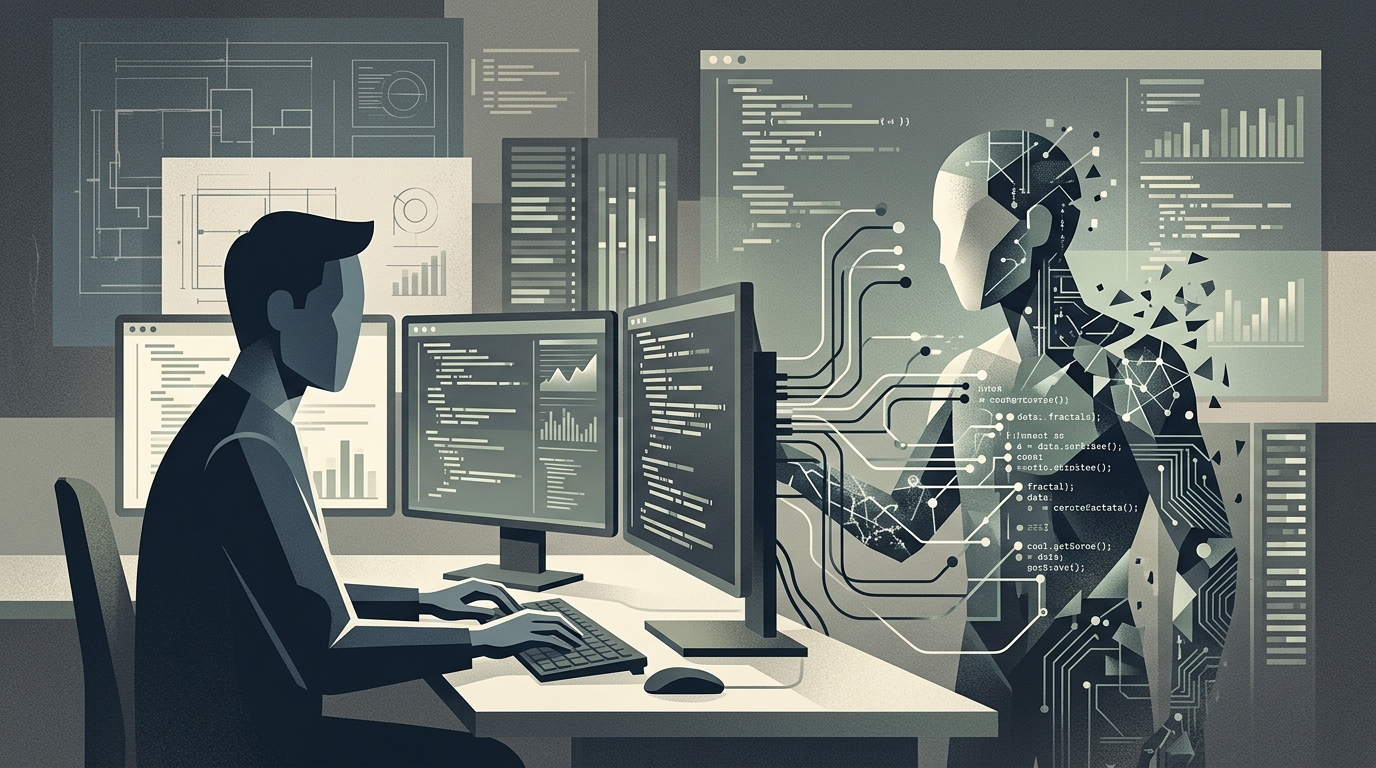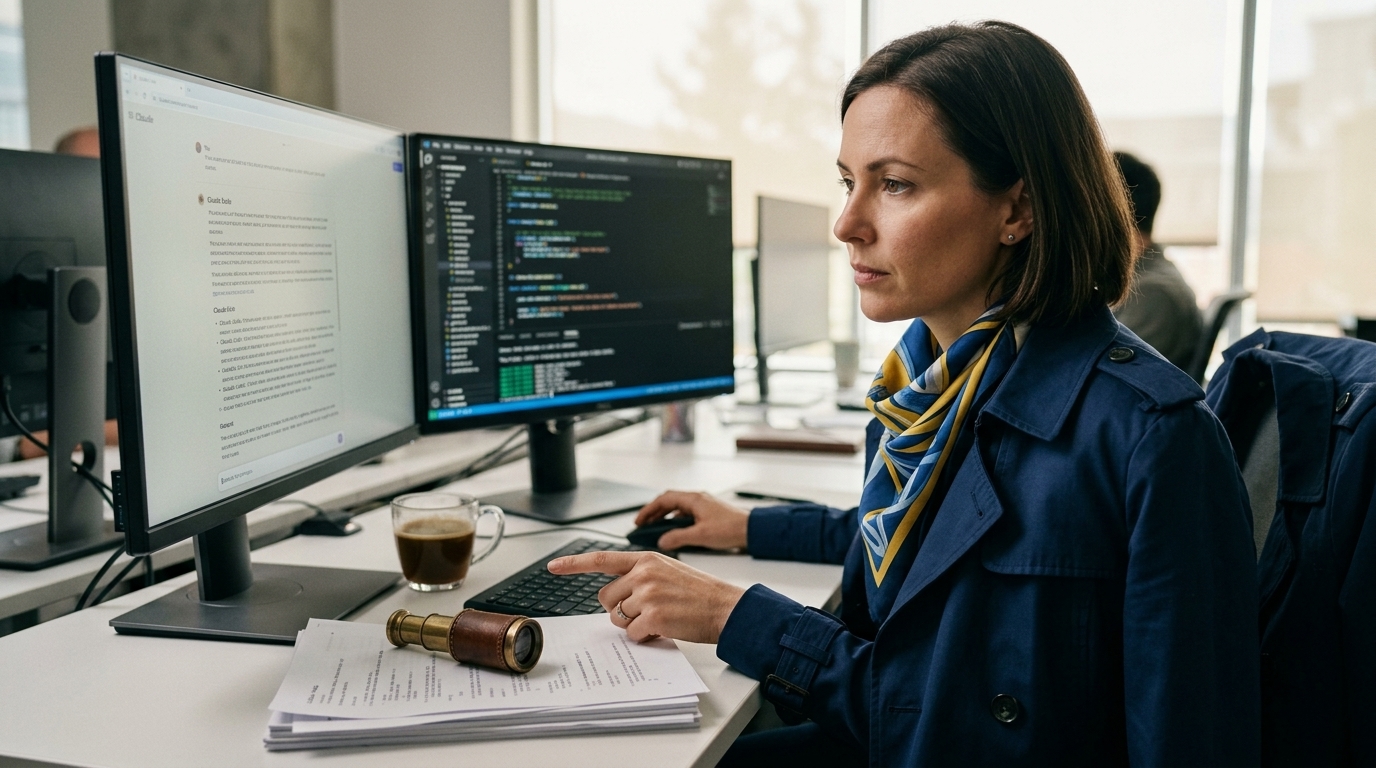
The era of "chat-based programming" is rapidly evolving into an era of autonomous agents. With the release of tools like Anthropic’s Claude Code, developers are no longer just asking for code snippets; they are delegating entire tasks to agents that operate directly within their terminal. However, this autonomy comes at a significant cost: a lack of visibility. When an AI agent begins executing dozens of commands, modifying files, and fixing errors in seconds, the human developer is often left behind, struggling to grasp exactly what transpired. Enter Her · हेρ, a "detective" designed to monitor, analyze, and explain the actions of Claude Code sessions.
The Need for a Digital Observer
Her was developed during Hugging Face's "Build Small" hackathon, an initiative encouraging the creation of efficient tools using Small Language Models (SLMs). The tool's name is a clever play on words: while in English it evokes the Spike Jonze film, the Hindi word हेर (Her) means "to look," "search," or "spy." This dual nature reflects its core purpose: acting as a silent but vigilant observer over the AI's shoulder.
The fundamental problem with code agents is the "black-box loop." An agent can get stuck in an infinite recursion, consume thousands of tokens without progress, or introduce bugs that are difficult to trace because they are buried under hundreds of lines of automated logs. Her intercepts this process, gathering session data and utilizing specialized models to provide a summary of the agent's logic, pinpointing exactly where things went sideways.
Small Models, Big Value: The Philosophy of Build Small
One of the most compelling aspects of Her is its use of small models to oversee larger ones. In traditional AI architecture, we often use a powerhouse model (like Claude 3.5 Sonnet) to handle everything. However, Her demonstrates that for monitoring and diagnostic tasks, a smaller, faster, and cheaper model can be just as effective, if not more so.
This "AI-to-AI monitoring" approach represents the future of software safety and reliability. Instead of relying on the agent itself to perform self-critique—which often leads to hallucinations—we employ an independent observer. Her parses Claude Code logs, categorizes actions (file reading, test execution, code editing), and generates a visual report that allows the developer to "rewind" and see the exact moment of failure.
- Transparency: Real-time logging of every command and system response.
- Error Analysis: Identifying logical gaps in the agent's strategy.
- Cost Optimization: Warning users about excessive token consumption in repetitive failed attempts.
- Educational Role: Helping junior developers understand how an AI reasons through problem-solving.
The Future of Human-Agent Collaboration
As we move through 2026, the conversation is shifting from "whether AI can write code" to "how we can manage the AI that writes code." Tools like Her are not merely utilities; they are essential components of the modern development stack. The ability to have a "detective" that can explain a machine's decisions is the bridge required to build trust between humans and automation.
"Autonomy without oversight is chaos. Her transforms the chaos of logs into a coherent narrative, allowing the human to remain the ultimate arbiter of the process."
In conclusion, Her · हेρ stands as a brilliant example of how the open-source community and platforms like Hugging Face can provide solutions to problems created by tech giants. While Anthropic provides the "car" (Claude Code), Her provides the "dashboard" and the "black box," ensuring that the journey toward automated programming remains safe and controlled.