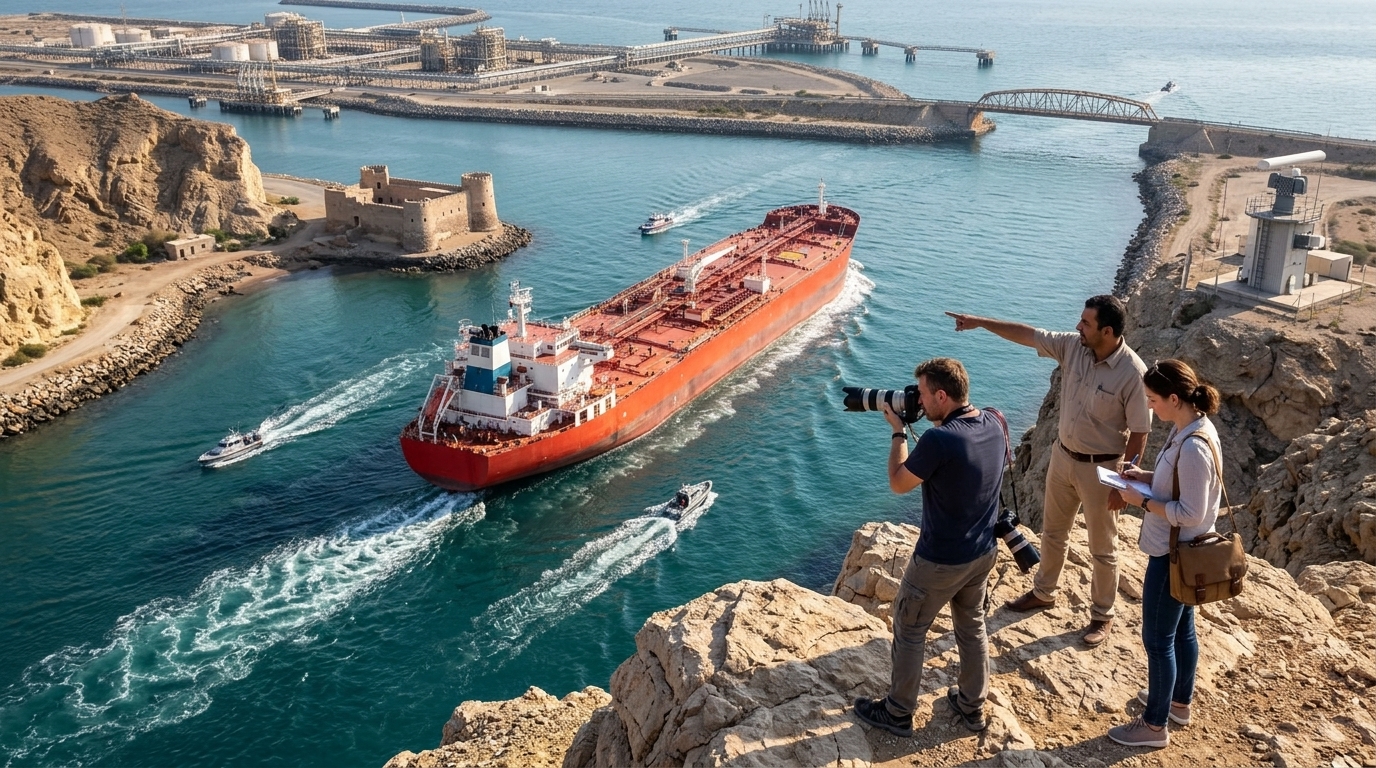
The Strait of Hormuz has remained, for decades, the most critical "jugular vein" of the global economy. With approximately 20% to 30% of global oil consumption passing through this narrow waterway between Oman and Iran, any hint of disruption has historically sent shivers through international markets. However, in 2024 and 2025, we witnessed a paradox: despite escalating conflicts in the Middle East, attacks in the Red Sea, and direct Iran-Israel confrontations, oil prices did not skyrocket to the $150 levels predicted by the "Cassandras" of the industry.
The New Architecture of Energy Resilience
Averting a systemic energy shock was no accident. It stems from a fundamental shift in the structure of global supply. Firstly, United States production has reached record highs, making Washington the world's largest crude producer. American shale oil now acts as a "cushion" absorbing shocks from uncertainty in the Persian Gulf. Furthermore, the expansion of pipelines in Saudi Arabia and the United Arab Emirates, allowing oil to be transported to the Red Sea and the Gulf of Oman while bypassing the Strait, has significantly reduced the strategic stranglehold Tehran could once impose.
Secondly, global demand is no longer the monolith it once was. The slowdown of the Chinese economy and the rapid penetration of electric vehicles (EVs) have begun to decouple economic growth from oil consumption. When demand is tempered, markets tend to discount geopolitical risks, focusing instead on the underlying fundamentals of supply and demand.
The Iranian Paradox and the "Shadow" Market
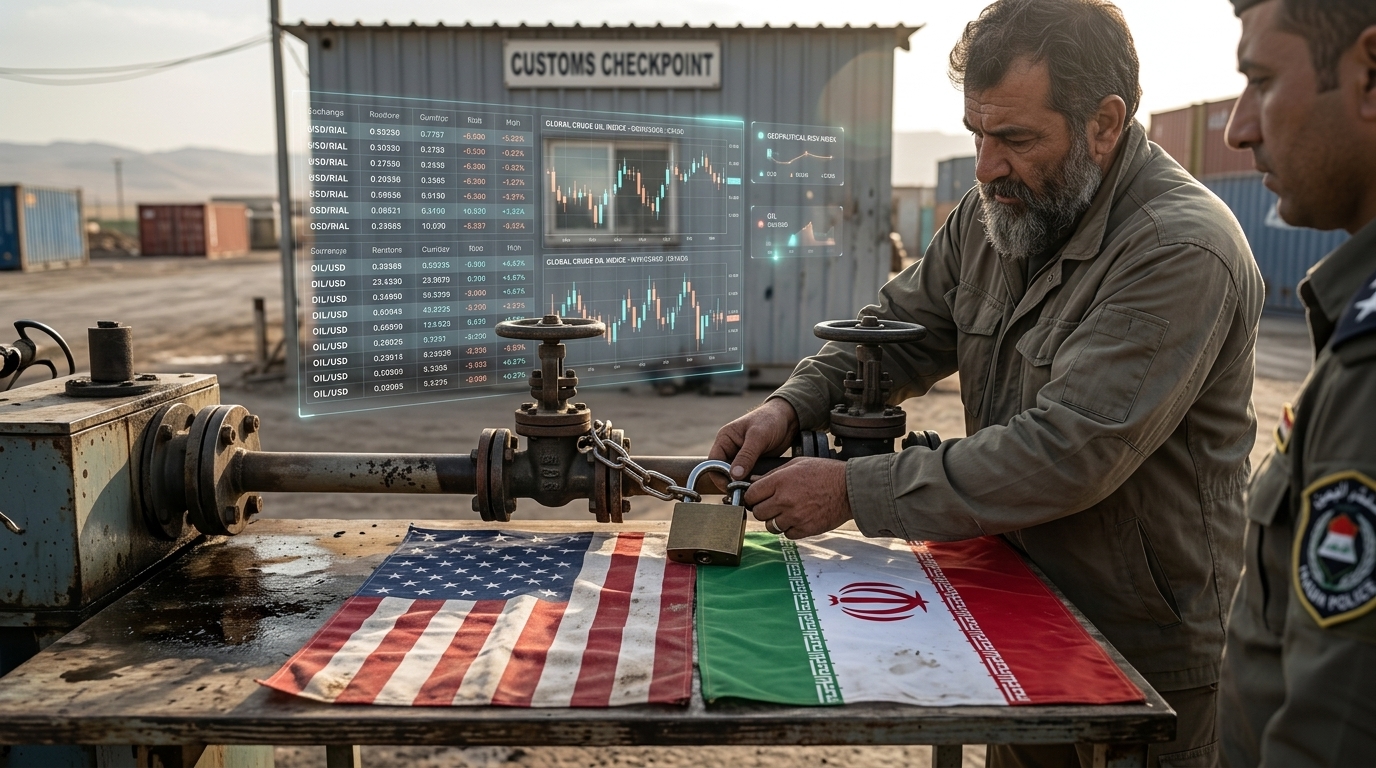
Another crucial factor is Iran's own stance. While Tehran's rhetoric often involves threats to close the Strait, the reality is that Iran depends on it more than ever. With sanctions limiting its options, China remains the primary buyer of Iranian oil. Closing the Strait would equate to economic suicide for the regime and, more importantly, would infuriate Beijing—Tehran's only powerful ally. The emergence of the "dark fleet"—tankers transporting Iranian and Russian oil outside official channels—has created a parallel market that operates by its own rules, maintaining energy flows even under conditions of extreme pressure.
The Warnings: A Fragile Status Quo
Despite the current calm, analysts interviewed by Fortune Greece are sounding the alarm. The mechanisms that protected us—such as the release of Strategic Petroleum Reserves (SPR) by the US—are not inexhaustible. US reserves are at their lowest levels in decades, and replenishing them is a slow and costly process. If a real, physical disruption of flow in the Strait occurs, the "safety net" will be much thinner than in the past.
Furthermore, climate change and the shift toward green investments have led to underinvestment in new hydrocarbon fields. This means that global spare production capacity is concentrated in very few hands, primarily Saudi Arabia and the UAE. Global energy security now depends on the political will of a few leaders and the markets' ability to manage panic.
- Diversification of transport routes is now a matter of national security for Gulf states.
- Technology and energy efficiency act as the best "weapon" against geopolitical blackmail.
- China plays the role of a stabilizer, as it does not desire disruptions that would hit its internal stability.
In conclusion, the market avoided the shock not because the danger disappeared, but because it learned to live with it. However, complacency could prove fatal. The next crisis may not be about the quantity of oil, but about the speed at which infrastructure can adapt to a rapidly changing world.