The Middle East, a region that historically serves as the 'barometer' of global stability, finds itself once again at the heart of a multi-layered crisis. As we approach mid-2026, the echoes of conflicts that began with unprecedented intensity in previous years continue to shape the global agenda. This is no longer a localized dispute, but a war of attrition with deep implications for energy, technology, and international alliances.
The Geopolitics of Straits and Energy Costs
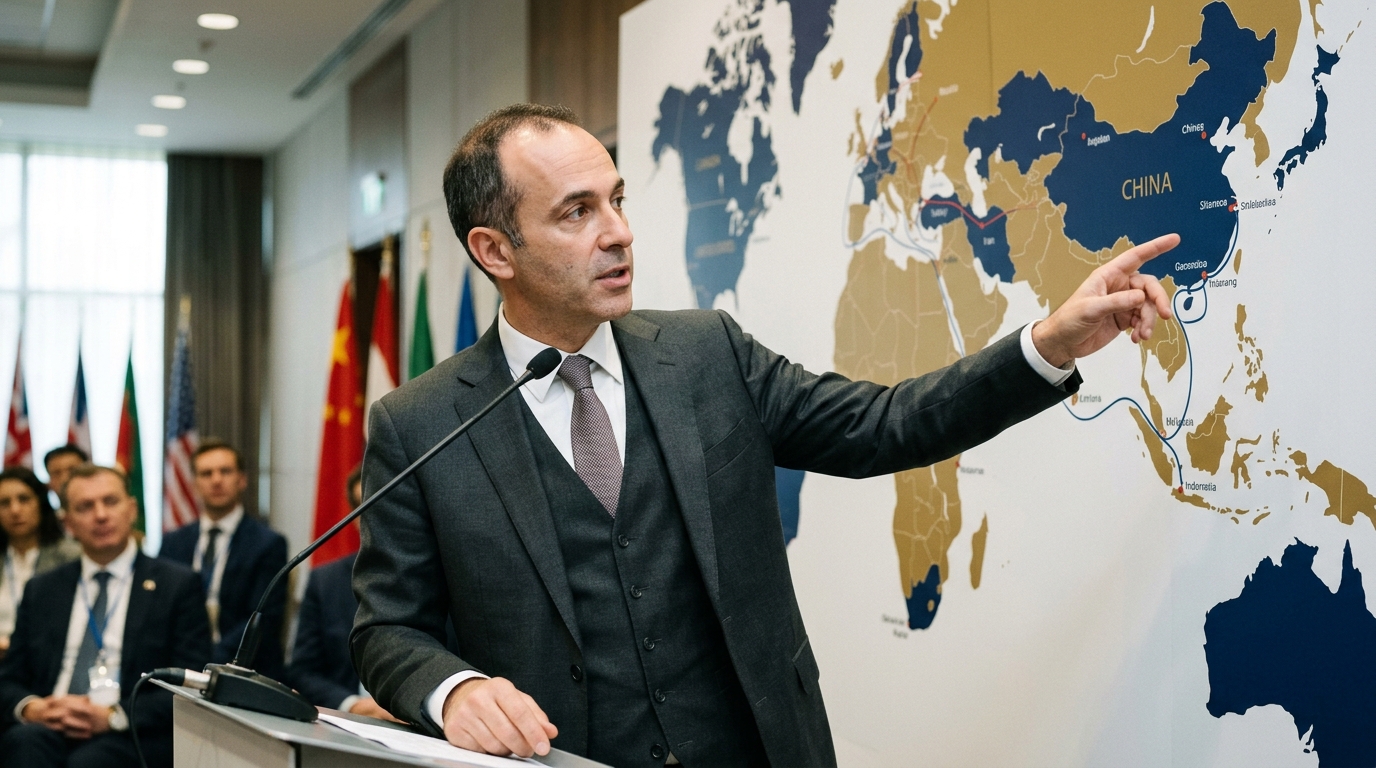
One of the biggest 'losers' of this period is the security of global supply chains. The crisis in the Red Sea, which began as a side effect of the conflict in Gaza, has turned into a permanent wound for global trade. Attacks on commercial vessels forced major shipping companies to redraw their routes, bypassing the Suez Canal and opting for the long journey around Africa.
- Transportation costs increased by 150% compared to pre-war levels.
- Delays in raw material deliveries fueling inflation across Europe.
- A shift in importance toward alternative Mediterranean ports, such as Piraeus, which are trying to balance in a changing environment.
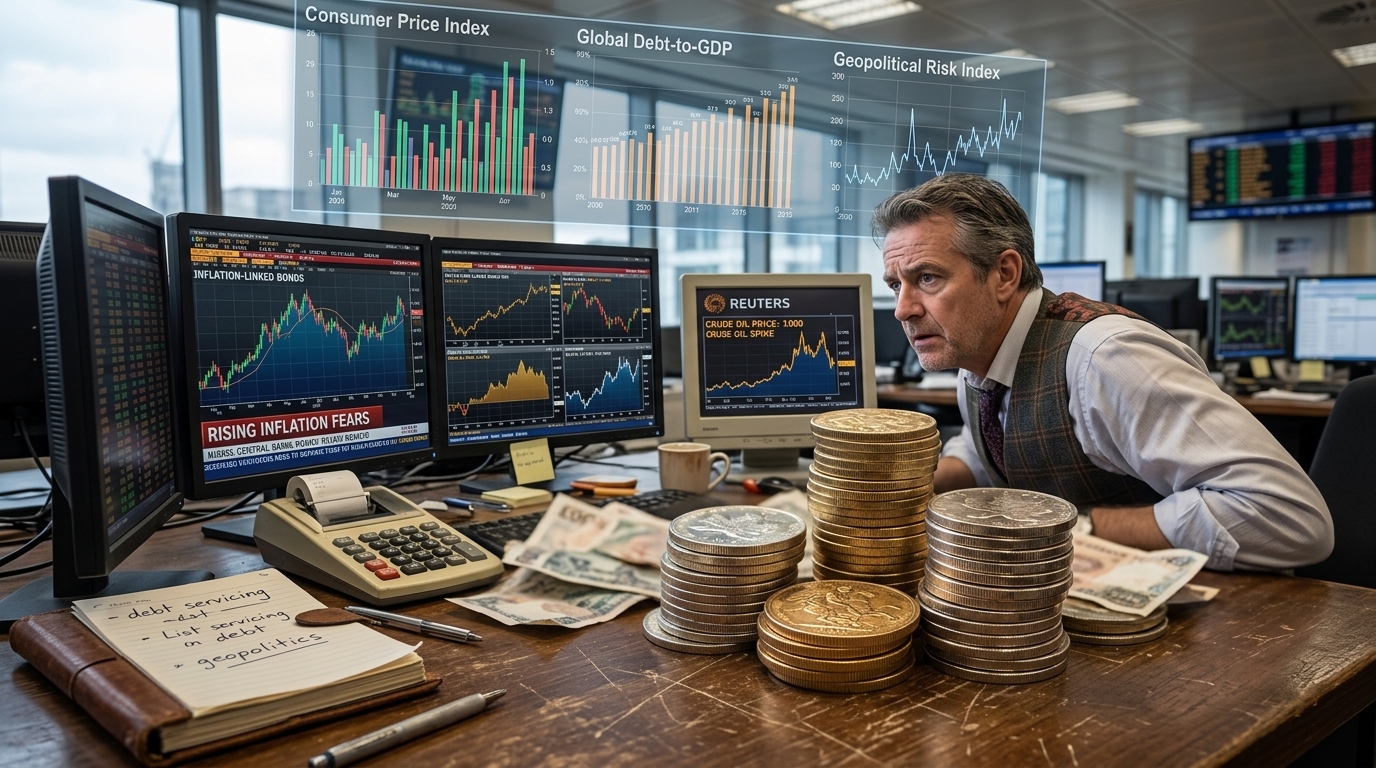
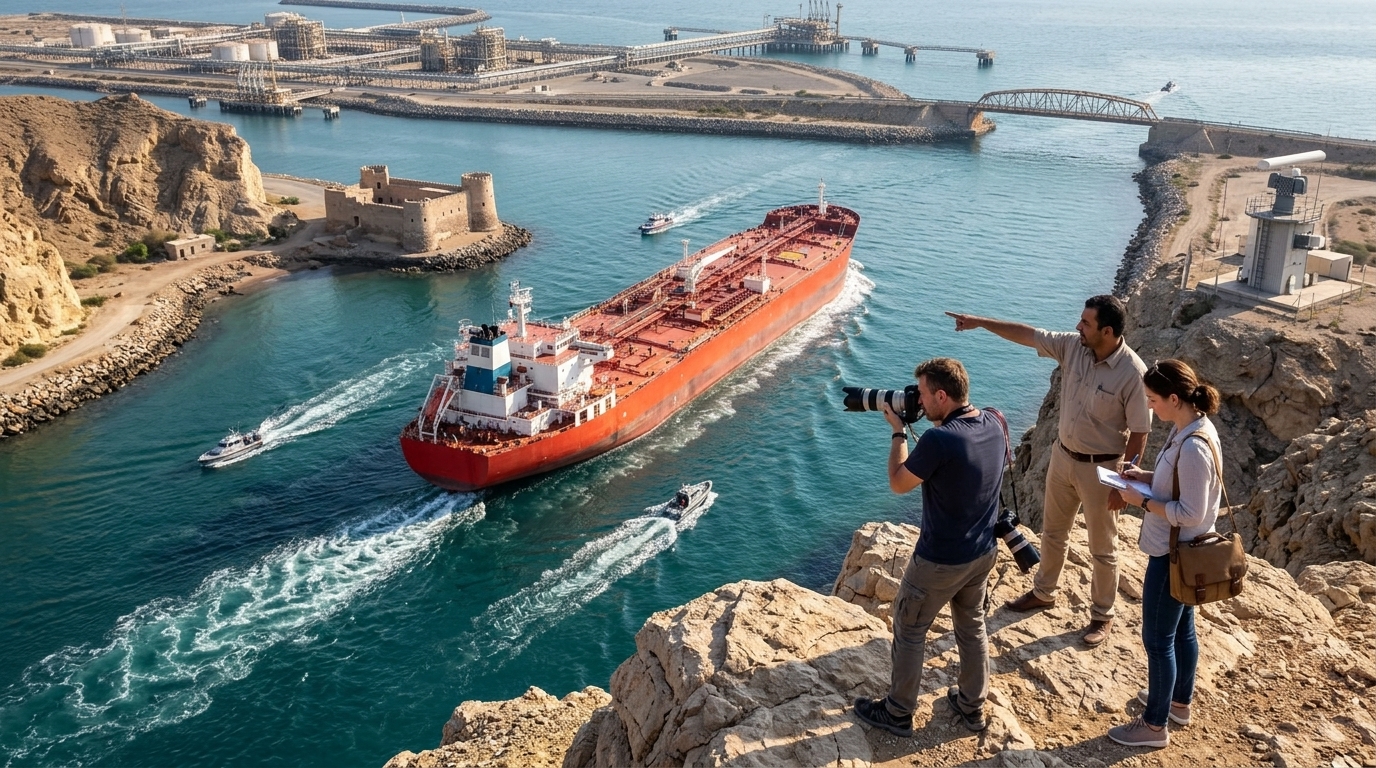
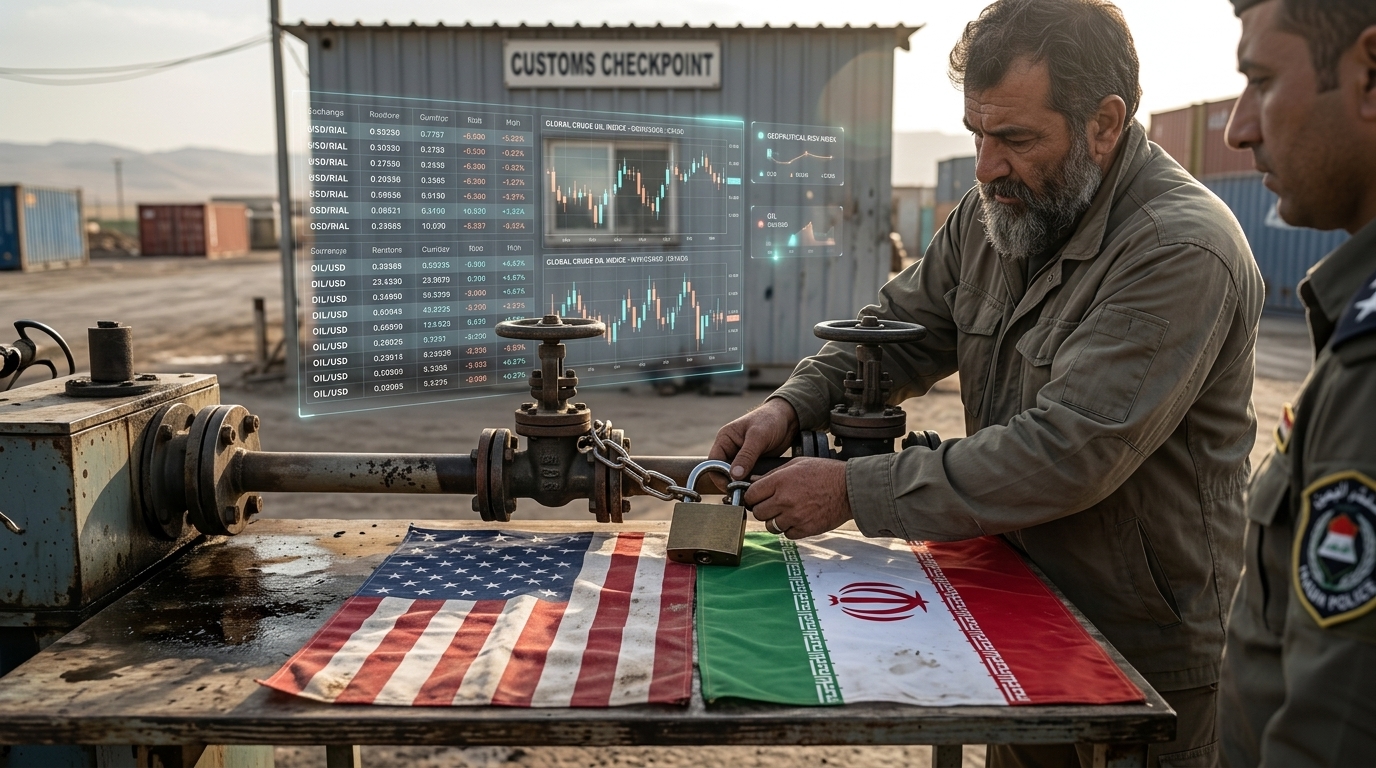
Meanwhile, the energy market remains on high alert. Although US shale oil production has acted as a 'buffer,' uncertainty surrounding the Strait of Hormuz keeps Brent prices at levels that threaten the growth of emerging economies. Gulf nations, while economically benefiting from high prices, find themselves in a diplomatic 'straitjacket,' attempting to maintain ties with the West without inciting anger among their own populations.
The 'Winners' of the Defense Industry and Technological Superiority
In contrast to the humanitarian disaster, the defense industry is recording record profits. Major sector players (Lockheed Martin, Raytheon, Rheinmetall) saw their stocks soar as governments worldwide rush to replenish stockpiles and invest in new air defense systems. This war has become the 'testing ground' for next-generation combat technology, with drones and artificial intelligence playing a decisive role.
"The conflict in the Middle East is not just a battle for territory, but a contest over who controls the algorithms of security in the 21st century," industry analysts note.
The use of AI in targeting and the widespread deployment of unmanned vehicles have altered the doctrine of warfare. Countries producing this technology, such as Israel, the US, and Turkey, are strengthening their positions as strategic suppliers, creating new dependencies.
Humanitarian Catastrophe and Diplomatic Deadlock
The greatest loser remains, undoubtedly, the civilian population and the very concept of international law. The destruction of infrastructure in Gaza and the impact on Lebanon have created a humanitarian crisis that will take decades to heal. The international community appears divided, with the UN unable to enforce a sustainable ceasefire, highlighting the structural weakness of existing global governance institutions.
Europe, in particular, faces a dual challenge: on one hand, the need to maintain its energy security, and on the other, the pressure of potential refugee flows if the conflict escalates further. The political cost is already evident, with the rise of populist movements weaponizing the crisis to promote an isolationist agenda.
The Market Gamble for 2026
Looking ahead, markets are 'betting' on resilience. Despite the shocks, the global financial system has not collapsed, a fact many attribute to the rapid adaptation of digital economies. However, the 'big gamble' remains the avoidance of a direct conflict between major powers in the region, which would lead to an unprecedented global economic recession. The balance is delicate, and every move on the geopolitical chessboard can trigger chain reactions from the Tokyo Stock Exchange to natural gas prices in the Netherlands.