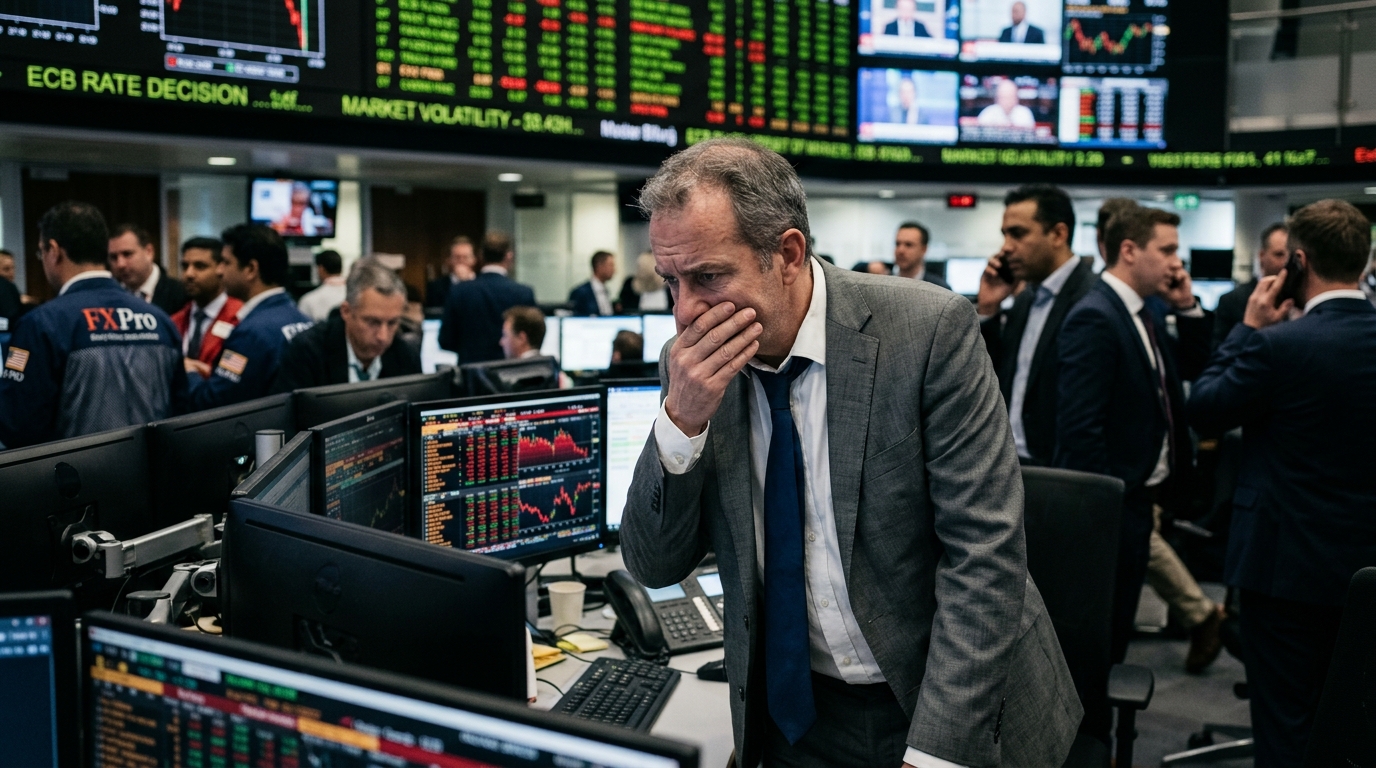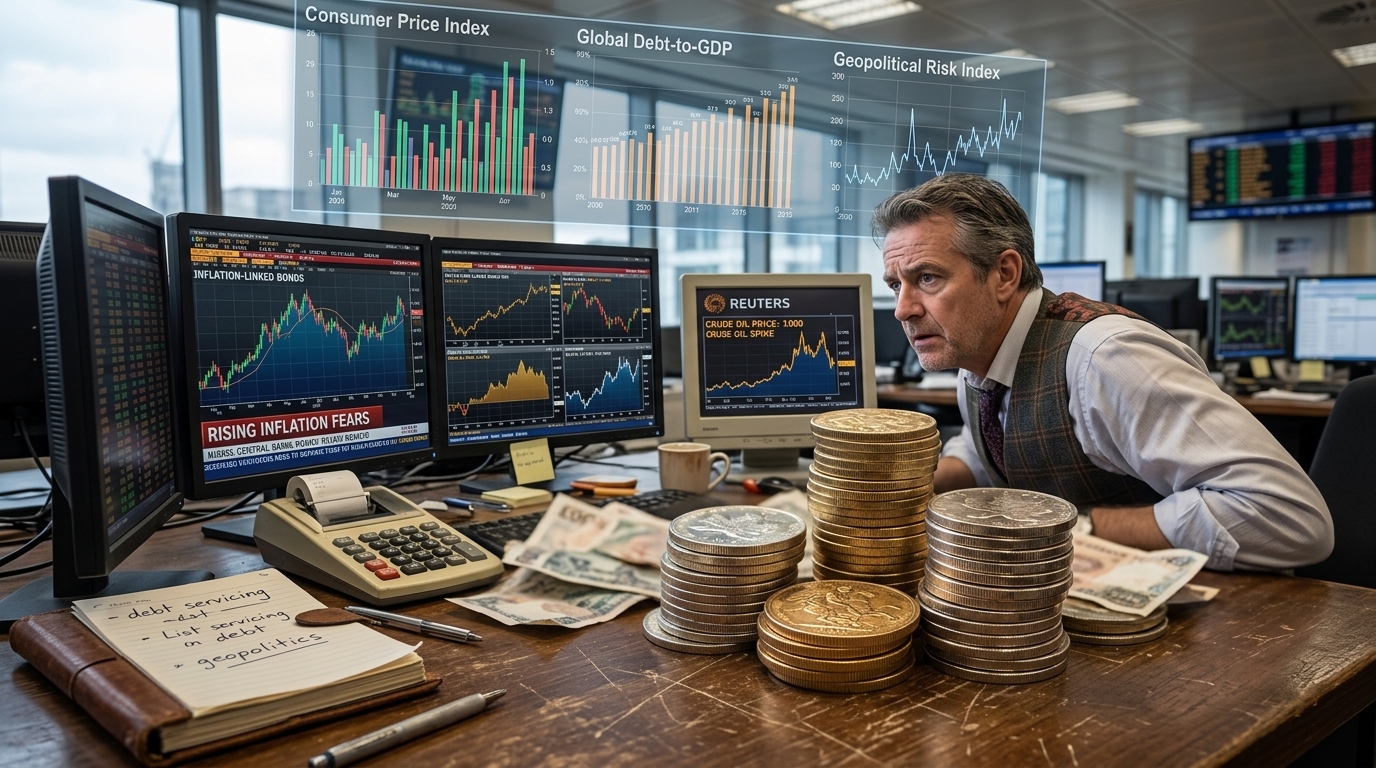
The global economy stands at a critical juncture, where the old certainties of the "Great Moderation"—a period characterized by low inflation and cheap borrowing—seem to be giving way to a new, more volatile reality. As we move through 2026, the hope that the inflationary spike of 2021-2023 was a fleeting post-pandemic phenomenon is fading. Instead, a complex web of factors is emerging, threatening to keep the cost of living and the cost of money at levels not seen since the 1970s.
Artificial Intelligence as an Inflationary Force
While Artificial Intelligence (AI) is often touted as the ultimate deflationary driver due to the productivity gains it promises, the short-term reality is markedly different. The massive pivot toward AI has ignited an unprecedented demand for energy and raw materials. The massive data centers required to train and run large language models consume vast amounts of electricity, straining power grids and driving up energy prices globally.
Furthermore, the technological arms race demands rare earth metals and high-end semiconductors, whose supply is inherently limited. This creates a phenomenon of "supply-side inflation," where the demand for the infrastructure of the future makes the present more expensive. As analysts point out, the transition to an AI-driven economy resembles a new industrial revolution, which historically is accompanied by periods of high prices before a final equilibrium is reached.
Geopolitical Instability and the End of Cheap Globalization
The war in Ukraine and ongoing instability in the Middle East have permanently altered global trade routes. The era when companies sought the lowest possible production costs anywhere on the planet is over. Today, priority has shifted to "supply security" or resilience. So-called "friend-shoring"—moving production to allied nations—and "near-shoring" are by definition more expensive processes than traditional globalization.
"We no longer live in a world where trade is driven solely by efficiency. Geopolitics is now the primary driver of economic decisions, and this comes with a price tag that is ultimately passed on to the consumer," notes a senior official from an international financial institution.
Decoupling from cheap Russian energy and attempting to reduce dependence on Chinese supply chains are creating structural pressures on prices. Defense spending is also skyrocketing across Europe and the US, funneling billions into the military-industrial complex. Historically, this is inflationary, as it boosts demand without increasing the supply of consumer goods in the market.
The Debt Mountain and the Interest Rate Trap
Perhaps the most concerning factor is sovereign debt. After years of fiscal expansion to combat the pandemic and the energy crisis, nations face staggering deficits. In a high-interest-rate environment, the cost of servicing this debt is ballooning. Central banks find themselves in an impossible position: if they keep rates high to fight inflation, they risk causing fiscal strangulation for governments. If they cut them prematurely, they risk losing control over prices.
In the US, interest payments on national debt now exceed defense spending, a milestone that is sending shivers through bond markets. In the Eurozone, southern nations watch bond yields with anxiety as the European Central Bank tries to balance price stability with financial stability. "Debt monetization"—printing money to cover government needs—remains a hidden fear that could lead to a new cycle of currency devaluation.
Conclusion: The New Normal
The takeaway for investors and citizens alike is that returning to 2% inflation may be a goal belonging to the past. The new normal appears to include higher borrowing costs, persistent inflation in services and energy, and constant uncertainty stemming from technological and geopolitical upheaval. Adapting to this era of "expensive money" requires a radical reassessment of how we save, invest, and consume.