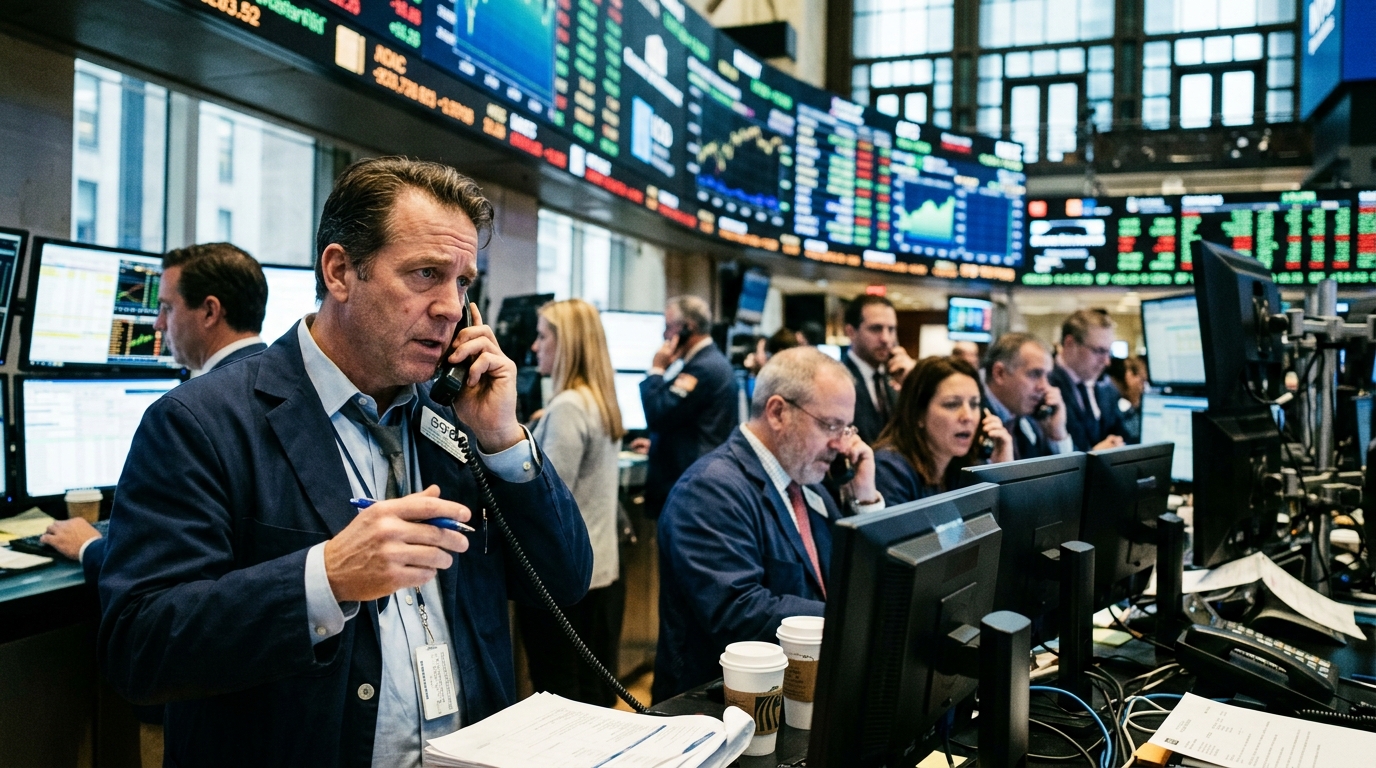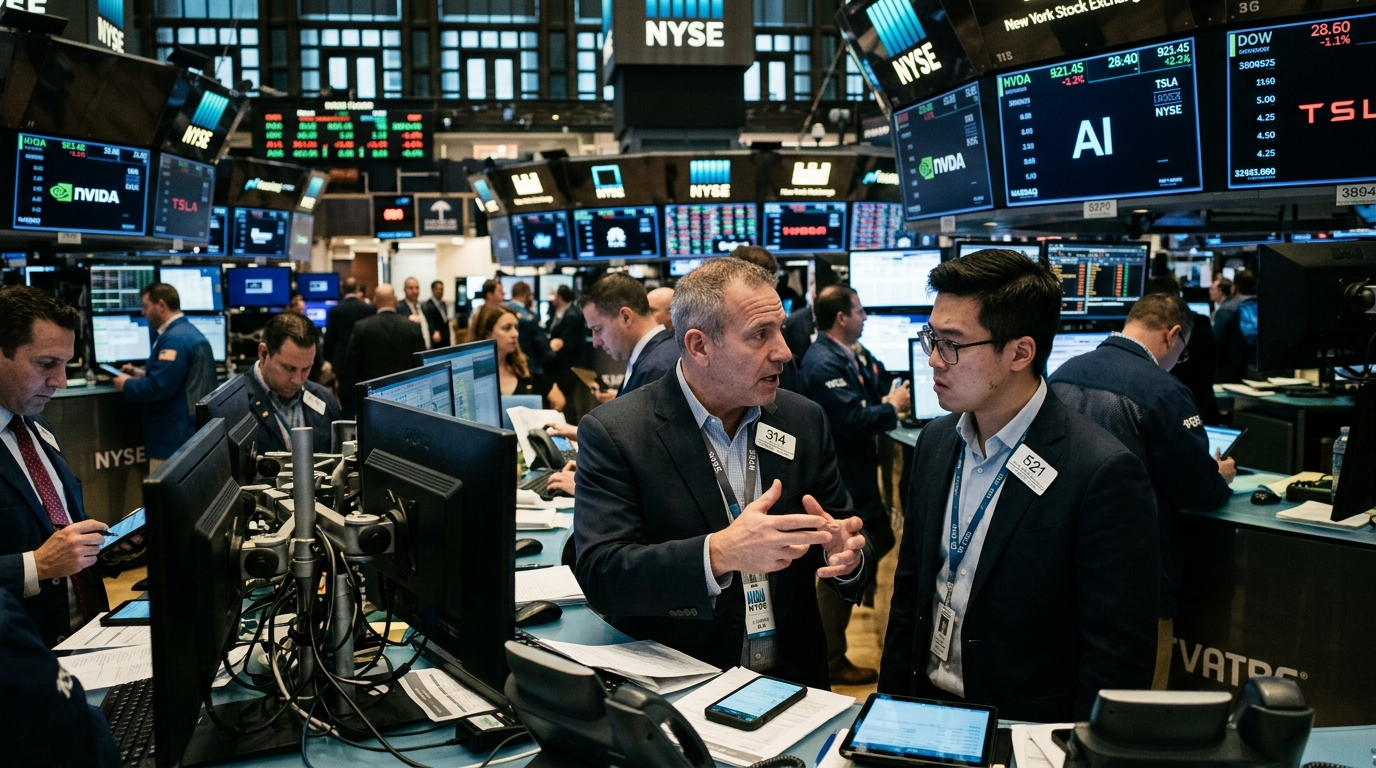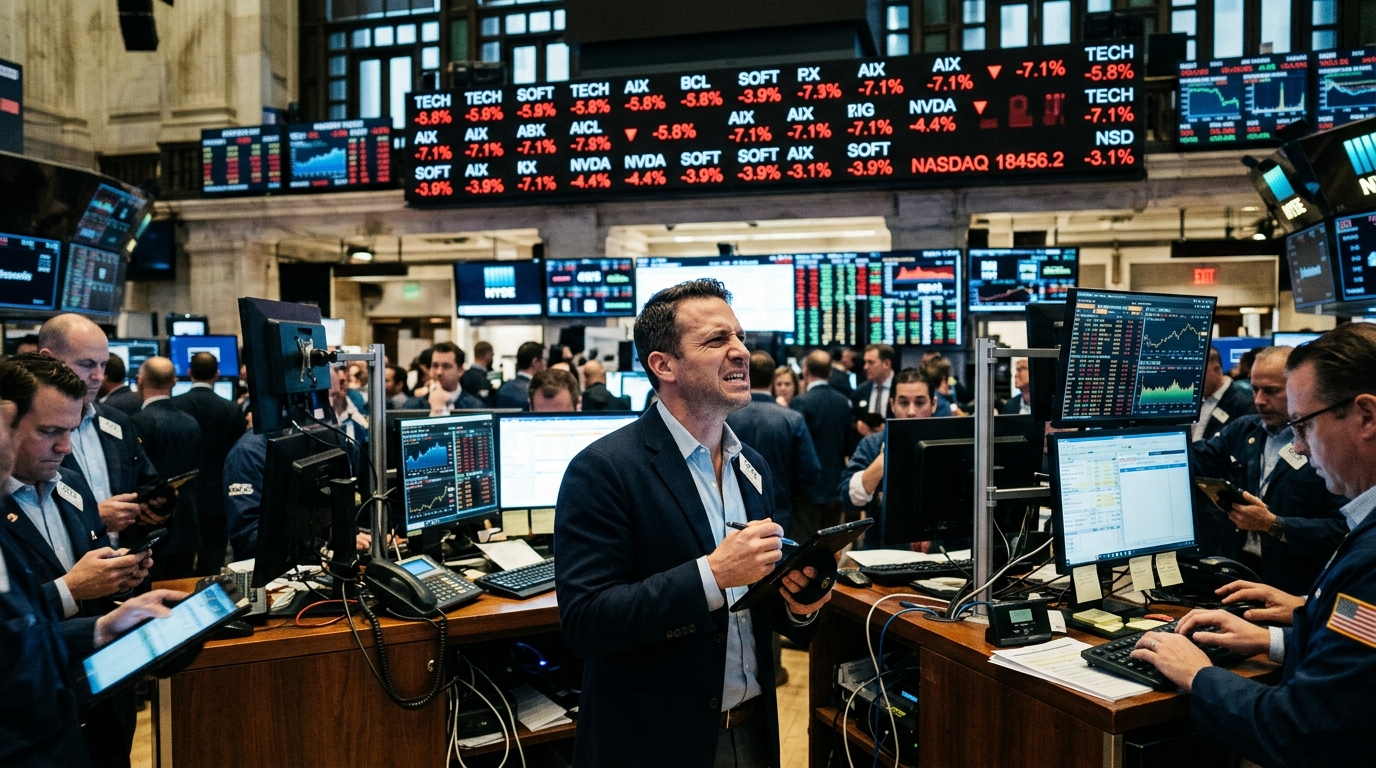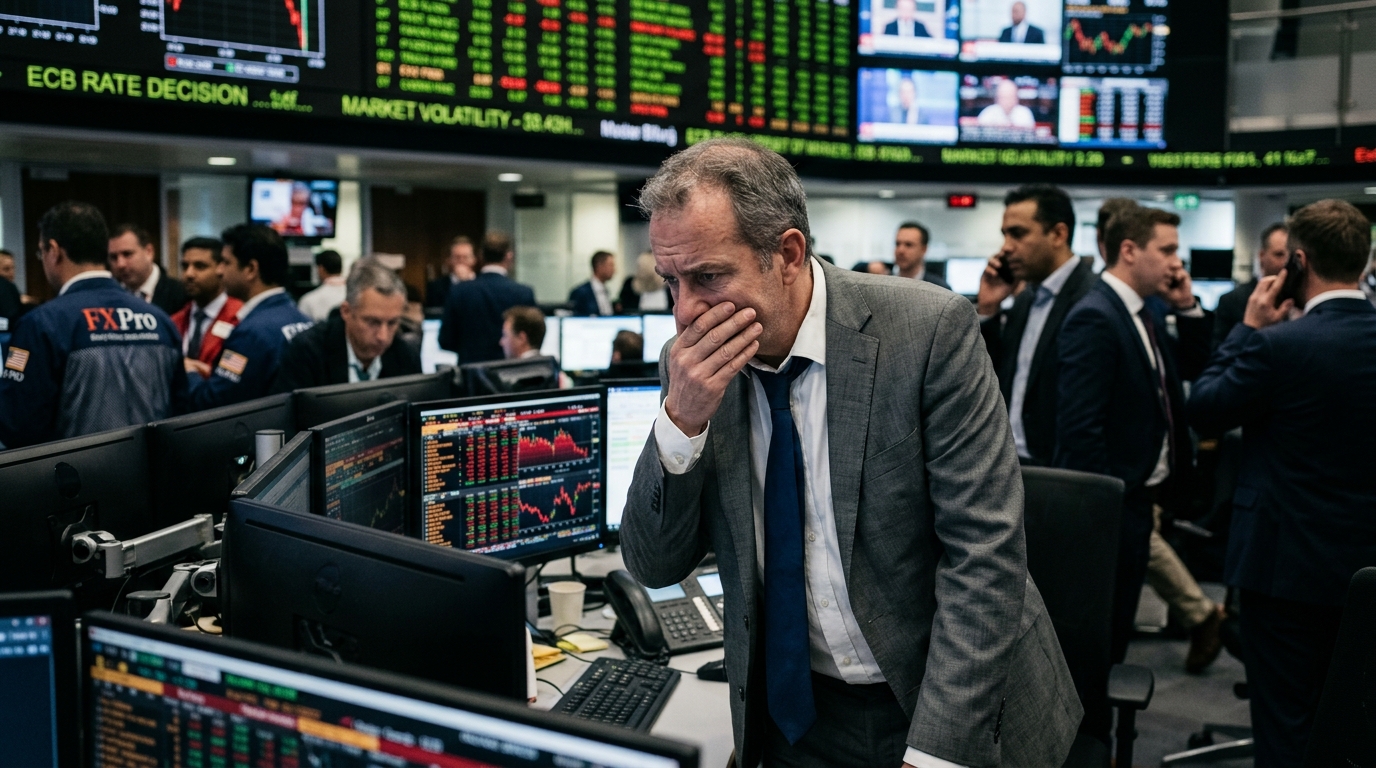
As we navigate the first week of June 2026, the world stands at a crossroads where culture, technology, and economics converge in a manner rarely witnessed before. The kickoff of the FIFA World Cup in North America is not merely a sporting event; it is a multi-billion dollar economic engine testing the resilience of global streaming networks and consumer credit. Simultaneously, SpaceX prepares for a historic launch that could redefine telecommunications, while the European Central Bank (ECB) is tasked with balancing inflation against the urgent need for digital transformation.
The North American World Cup: An Economic Experiment
The 2026 World Cup, hosted across the USA, Canada, and Mexico, represents the largest-scale event in FIFA's history. For the markets, this translates into a massive influx of capital into the hospitality, aviation, and betting sectors. However, the real story lies in broadcasting technology. With Artificial Intelligence now utilized for real-time content production and ad personalization, media companies are seeing revenues skyrocket. Analysts estimate that data consumption during matches will shatter all previous records, pushing 5G and 6G infrastructures to their absolute limits.
- A 25% increase in tourism traffic across host cities.
- Integration of AI for millisecond-accurate play analysis.
- Unprecedented rise in digital payments via cryptocurrencies for ticketing.
SpaceX: Starship Dominance and Satellite Markets
While eyes are glued to the pitches, in Texas, Elon Musk’s SpaceX is readying the next phase of the Starship program. The upcoming launch isn't just about space exploration; it’s about cementing Starlink’s dominance in the global internet market. As the cost per kilogram of payload to orbit drops dramatically, telecommunications giants are forced to re-evaluate their strategies. The "space economy" market is projected to reach $1 trillion by 2030, and this week is considered a bellwether for investor confidence in the sector.
"Space is no longer the final frontier, but the next great commodities market," Wall Street executives state, closely monitoring SpaceX's maneuvers.
The ECB and the AI Conundrum
In Frankfurt, Christine Lagarde and the ECB board face a new challenge: the "disinflationary" impact of Artificial Intelligence. While traditional indicators suggest stability, the mass adoption of generative AI in European enterprises has begun reshaping the labor market and productivity. The ECB must decide whether to hold interest rates steady or proceed with a preemptive cut to stimulate investment in tech infrastructure. The debate over the Digital Euro is intensifying, as the need for a secure, centrally controlled digital currency becomes imperative against the rise of private stablecoins.
AI as a Catalyst for Volatility
Finally, Artificial Intelligence is no longer just a tool but an autonomous player in the markets. High-frequency trading systems based on LLMs now react to news in nanoseconds. This creates a high-volatility environment where a piece of misinformation or an AI "hallucination" could trigger a flash crash. Regulators in the US and EU are on high alert, as the convergence of these events—World Cup, SpaceX, ECB decisions—creates the perfect backdrop for a market "storm."
In conclusion, the week ahead is not just a period of financial announcements. It is a test of how ready the modern world is to manage the velocity of technological evolution combined with the traditional forces of economy and entertainment. Investors are urged to remain calm, recognizing that real value no longer lies solely in numbers, but in the ability to adapt to an ever-shifting digital landscape.