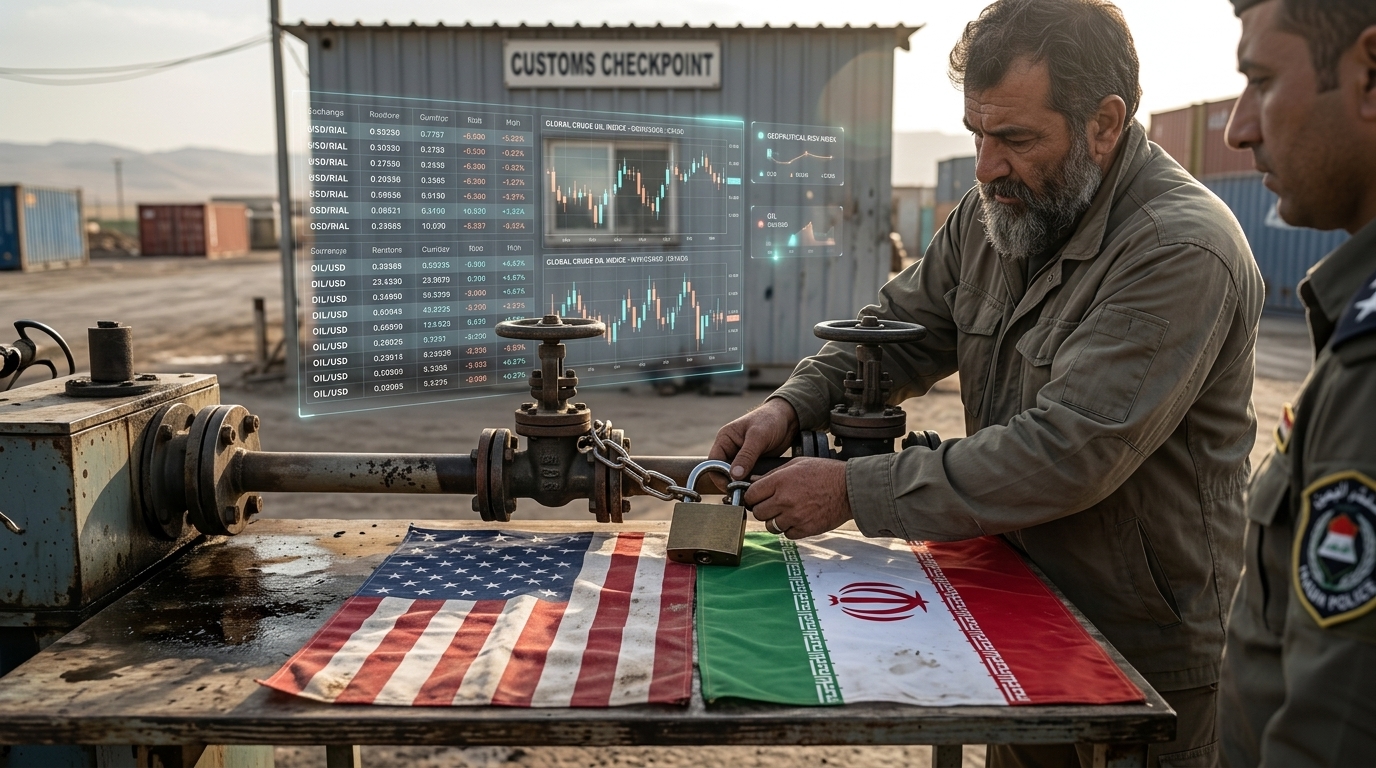
In a move set to reverberate through the corridors of international diplomacy and the global financial system, Washington appears to be laying the groundwork for a radical reassessment of how frozen Iranian assets are managed. According to recent reports, US Treasury Secretary Scott Bessent has directed his staff to evaluate the scale of Iranian funds held in international accounts with the potential aim of utilizing them for reparations and restoration projects in allied Gulf nations.
The Strategy of 'Financial Retribution'
This initiative is far more than a mere accounting exercise; it is a profound political act that seeks to link a state's responsibility for its regional actions directly to its national wealth held abroad. For decades, the freezing of assets served as a tool of last resort to compel compliance with international treaties or curb weapons programs. However, the transition from 'freezing' to 'seizure and redistribution' signals a new era in the exercise of foreign policy through the US Treasury Department.
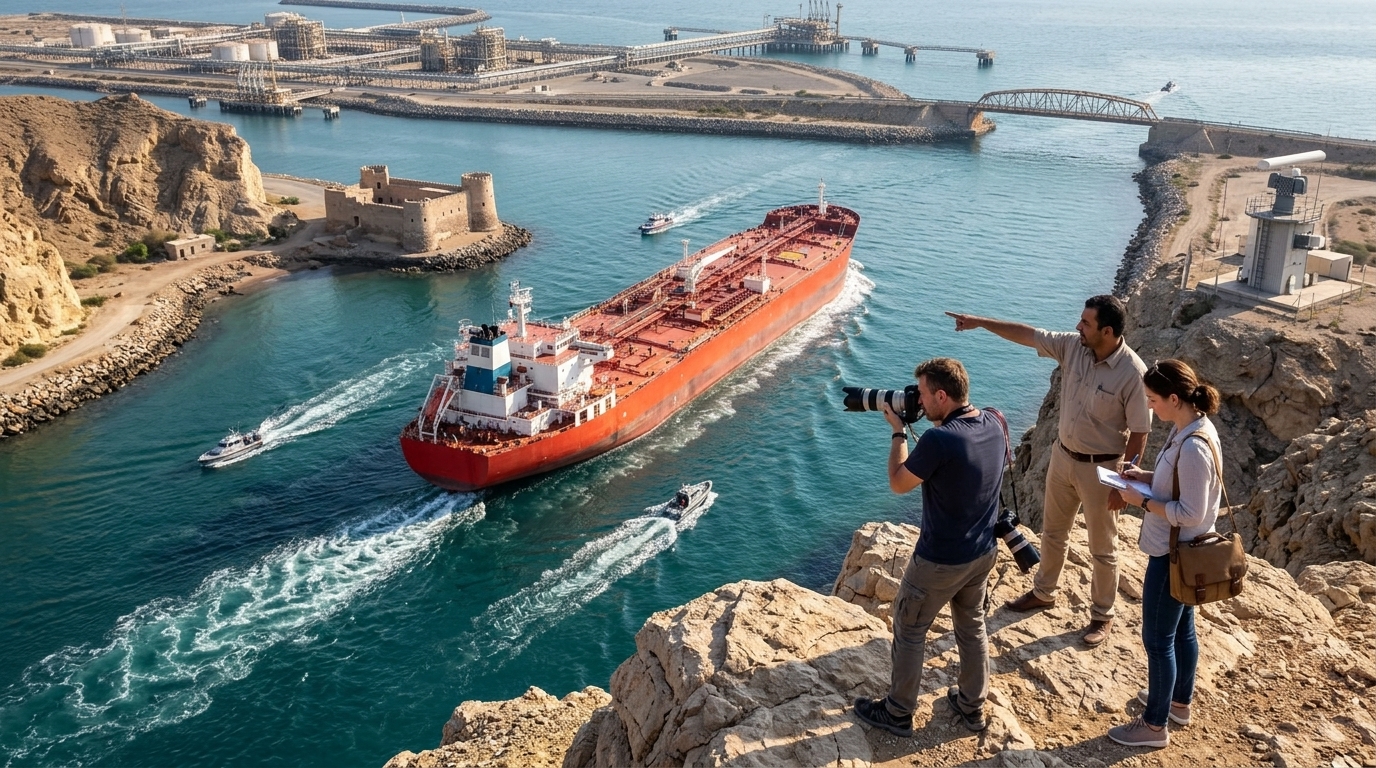
The logic behind Bessent’s proposal is rooted in the need to support America’s strategic partners in the region, such as Saudi Arabia and the United Arab Emirates. These nations have sustained significant economic and infrastructural damage from attacks that Washington attributes, directly or indirectly, to Tehran. From strikes on tankers in the Strait of Hormuz to the support of Houthi rebels in Yemen, the cost of maintaining security and commercial stability in the Gulf has become astronomical.
Legal Hurdles and the Shadow of Russian Assets
The debate over Iranian assets does not exist in a vacuum. It follows the intense Western discourse regarding the use of frozen Russian assets for Ukraine's reconstruction. The legal doctrine of 'sovereign immunity' remains the primary obstacle to such actions. Critics argue that violating this principle could trigger a 'domino effect,' where nations withdraw their reserves from the dollar and euro, fearing that political disagreements could lead to financial confiscation.
Conversely, proponents of Bessent’s move emphasize that the concept of 'collective self-defense' in the economic sphere must be modernized. If a state utilizes its resources to destabilize international shipping and energy security, then international law must provide tools for the direct compensation of victims from those very resources. The argument is that sovereign immunity should not be a shield for state-sponsored destabilization.
Geopolitical Blowback and Tehran’s Response
Tehran’s reaction is expected to be fierce. The Iranian government has already warned that any attempt to touch its funds would be viewed as 'state piracy.' Such an escalation could lead to cyber-retaliation, further harassment of maritime traffic, or the definitive abandonment of diplomatic efforts regarding its nuclear program. Furthermore, this move may place certain European allies in a difficult position; while they share concerns over Iran's behavior, they fear the long-term erosion of the international financial system's credibility.
In the Gulf, the news has been met with a mixture of interest and trepidation. While governments welcome the prospect of compensation, there is a palpable fear that such a move could ignite a new cycle of violence just as fragile regional dialogues are beginning to take root. Washington, however, seems determined to use its economic arsenal as a deterrent, sending a clear message: the cost of regional destabilization will now be paid in cash.
Conclusion: A Precedent with Global Stakes
The case of Iranian assets is a litmus test for the future of the global order. Should Washington proceed, it will establish a precedent that permanently alters how nations perceive the security of their foreign reserves. In a world shifting toward multipolarity, weaponizing the financial system could accelerate the formation of alternative economic blocs outside the dollar’s sphere of influence. The ultimate question remains whether the short-term gain of compensating allies outweighs the long-term risk of systemic financial instability and the fragmentation of global trust.