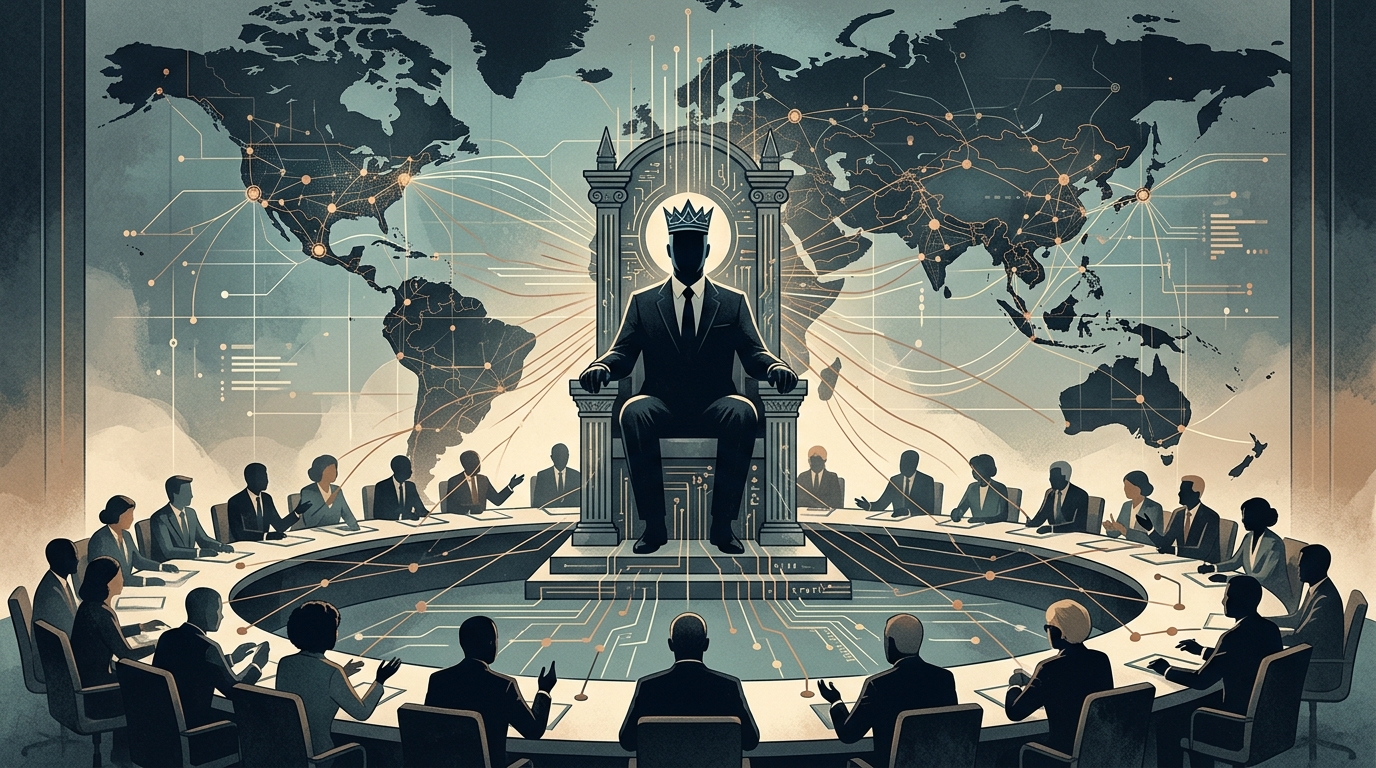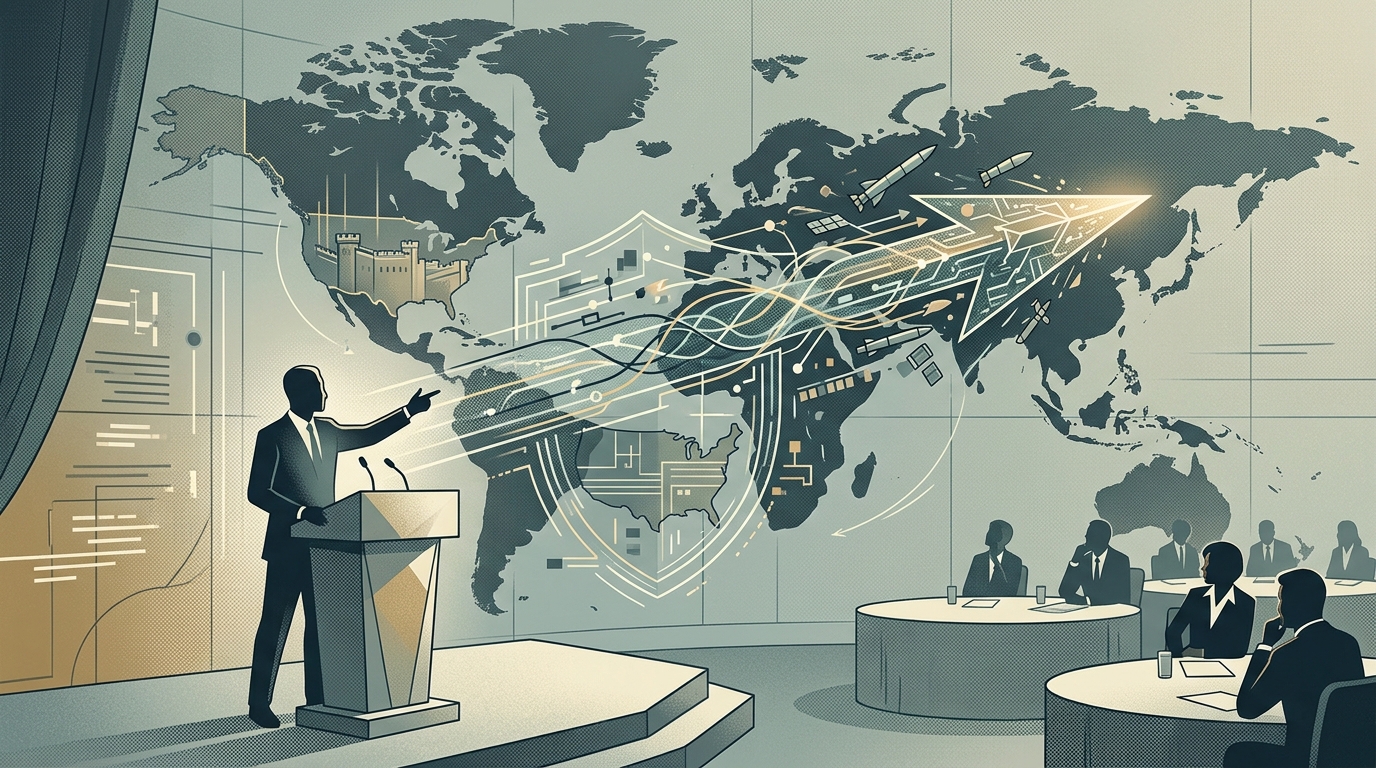
In a move poised to reshape the global geopolitical landscape and the very nature of armed conflict, President Donald Trump has issued a definitive mandate to the Pentagon and national security agencies: the integration of Artificial Intelligence (AI) into military operations is no longer just a goal, but an urgent national priority. This initiative, revealed through reports and official statements as covered by the Washington Post, marks a radical departure from the previous administration's cautious, regulatory approach toward a model of "speed above all else."
The administration’s central argument is that the United States is locked in an existential race with China for AI supremacy. According to Washington, whoever first masters the ability to process battlefield data in nanoseconds and deploy large-scale autonomous systems will control the 21st century. However, this call for acceleration is accompanied by a controversial pledge: the protection of American citizens from the potential side effects of this technology.
The Strategy of "Algorithmic Deterrence"
The new directive isn't just about building smarter missiles. It represents a comprehensive overhaul of national security doctrine. The Trump administration is pushing for AI use at every level, from supply chain logistics and aircraft maintenance to real-time decision-making during kinetic operations. The vision is a military where humans act as supervisors (human-on-the-loop) rather than direct operators, allowing swarms of drones and autonomous submersibles to execute missions with precision far exceeding human capabilities.
"Algorithmic deterrence" has become the new cornerstone of American power. The theory is straightforward: if an adversary knows your defense umbrella can detect and neutralize threats before they even fully manifest, the likelihood of conflict decreases. However, critics warn that this acceleration could lead to a "race to the bottom" regarding safety, where the speed of deployment overrides reliability testing and ethical considerations.
Protecting Americans or Building a Digital Fortress?
One of the most intriguing elements of Trump’s rhetoric is the emphasis on protecting Americans. While the previous Biden administration focused on protection from algorithmic discrimination and bias, the current approach interprets "protection" as shielding against foreign influence and cyberattacks. There is a strong protectionist trend, with the government seeking to ensure American AI remains "clean" of foreign code and that citizen data is not exploited by hostile powers.
Yet, the ambiguity of these guarantees causes concern among civil liberties organizations. The use of AI for border surveillance and internal security, under the guise of "protection," could lead to an unprecedented erosion of privacy. The question arises: how can you accelerate military AI without creating an infrastructure that could easily be turned against the domestic population?
Silicon Valley and the Military-Industrial Complex
The mandate for acceleration also serves as a green light for tech companies partnering with the Pentagon. Firms like Anduril, Palantir, and SpaceX are expected to see their contracts skyrocket as the government seeks to bypass traditional, sluggish procurement processes. Trump appears to favor Silicon Valley "disruptors" over traditional defense giants, believing that startup culture is more compatible with the needs of modern digital warfare.
This shift has significant economic implications. Funding for programs like "Replicator"—which aims to deploy thousands of low-cost, autonomous systems—is expected to surge. The message to investors is clear: defense tech is the new "gold rush." Simultaneously, the administration is pressing to reduce regulatory hurdles that could delay the deployment of these systems, sparking backlash from scientists calling for ethically binding frameworks for autonomous weapons.
Conclusions and Future Challenges
The decision to accelerate military AI brings the world into uncharted territory. While the need for technological superiority is strategically understandable, the risks are immense. The possibility of an algorithmic error escalating a crisis into a nuclear conflict without human intervention remains a nightmare scenario for security analysts. Furthermore, the international community watches with bated breath as efforts to establish treaties for the control of autonomous weapons seem to crumble in the face of great-power competition. Washington has chosen the path of power; it remains to be seen if the promised "protection" will be enough to prevent the consequences of an unchecked technological arms race.