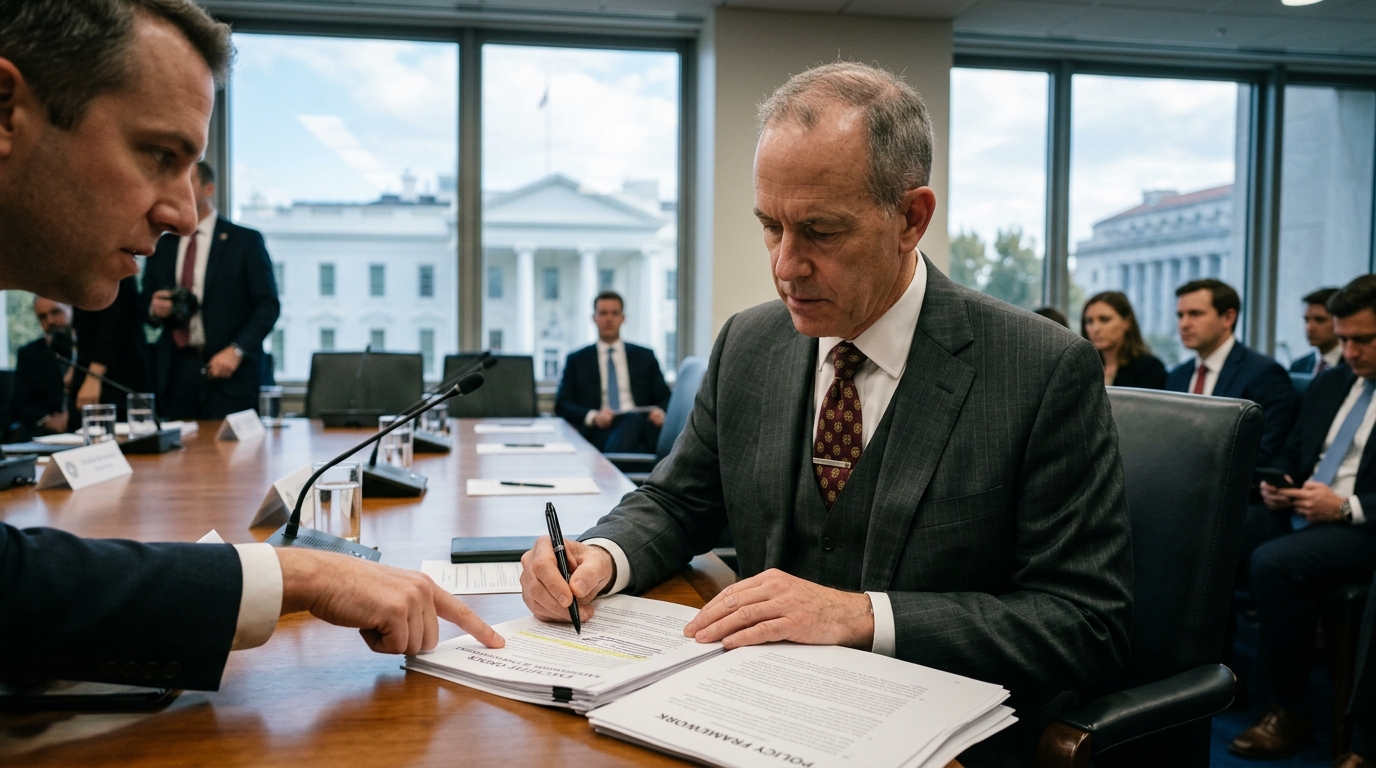
The era of "move fast and break things" is seemingly coming to an end for Silicon Valley, as the White House accelerates its efforts to place Artificial Intelligence under state oversight before it even reaches the hands of users. In a move marking the most significant intervention in the history of digital technology, the US administration is proposing a framework for the "vetting" of advanced AI models, citing risks to national security, public health, and infrastructure stability.
The Architecture of State Oversight
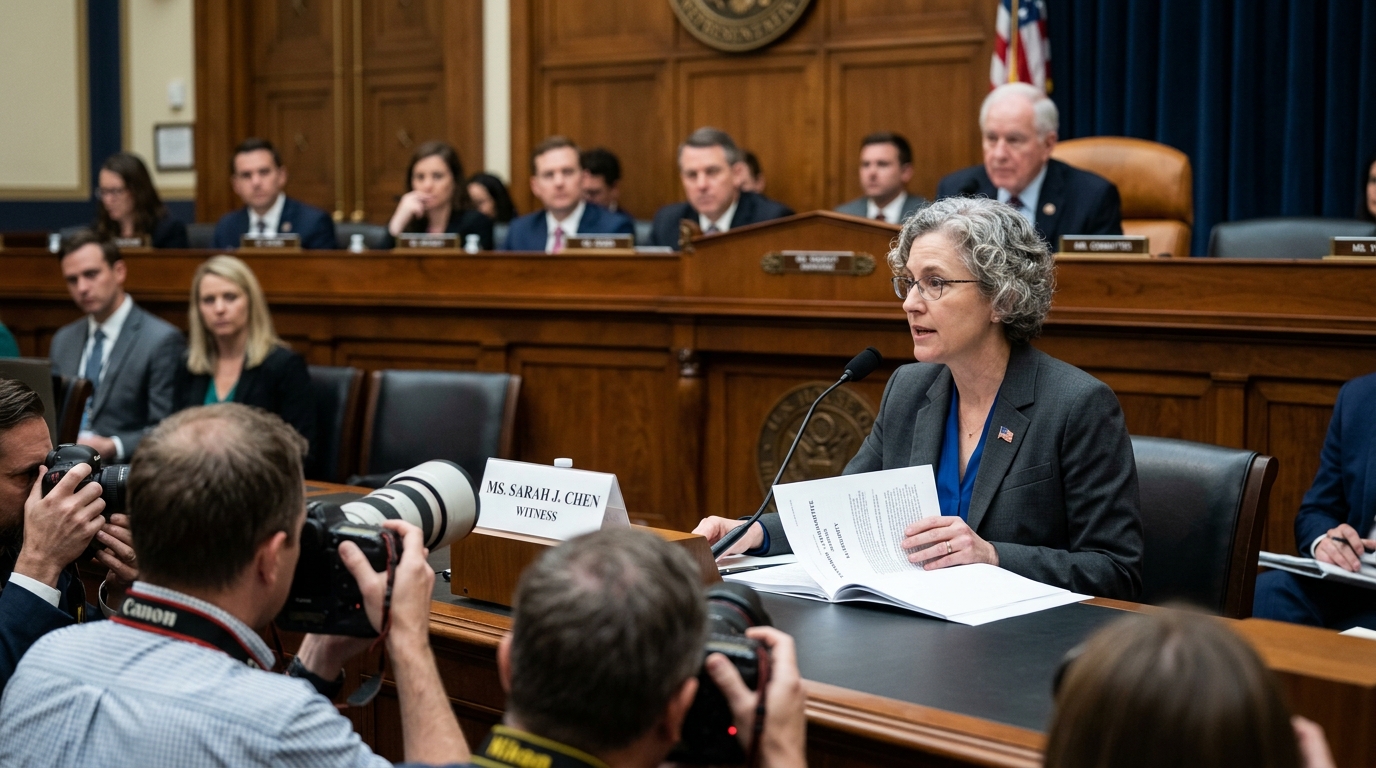
This initiative follows the 2023 Executive Order but is now taking a more concrete and binding form. At the heart of the proposal lies the US AI Safety Institute (US AISI), which will take on the role of the "gatekeeper." Development companies such as OpenAI, Google, and Anthropic will be required to submit their models to exhaustive testing—known as red-teaming—by government experts prior to any commercial release.
These checks focus on four main pillars: the model's ability to assist in the creation of biological or chemical weapons, the potential for executing autonomous cyberattacks, the likelihood of misleading users on critical social issues, and resilience against attempts to bypass embedded ethical guardrails. According to sources in Washington, the goal is not to ban the technology but to ensure there is no "digital Chernobyl."
Safety vs. Innovation: The Great Conflict
Industry reaction is divided. On one hand, tech giants seem to accept the regulation, partly because they possess the resources to meet the requirements, and partly because clear regulation protects them from future legal liabilities. However, the open-source community and smaller startups are expressing deep concern. They argue that pre-release vetting will create a "moat" around existing players, effectively strangling competition.
"If government permission is required to publish code, then we are no longer talking about a free market, but a licensing system similar to pharmaceuticals or nuclear energy," says a market analyst.
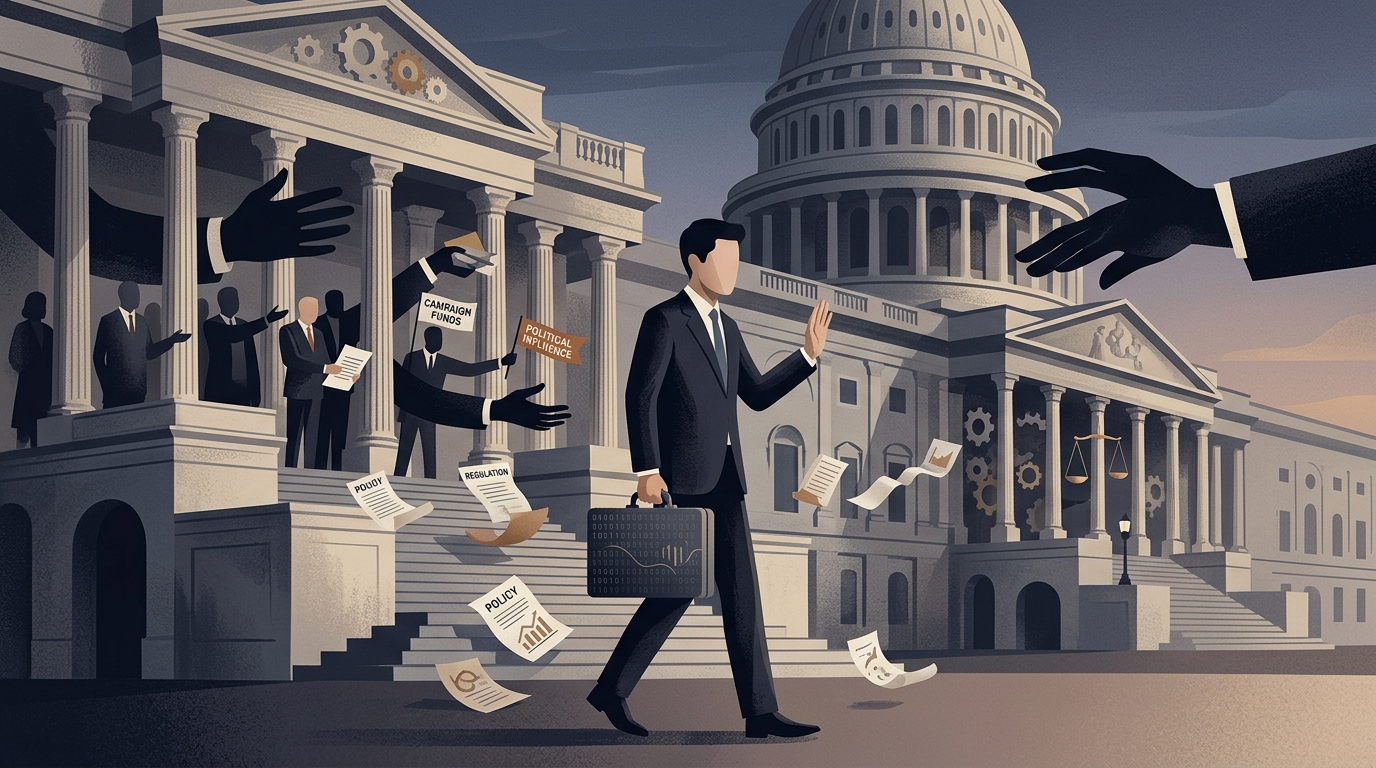
Furthermore, the issue of "algorithmic censorship" arises. Many fear that White House vetting could be used to enforce politically correct narratives or limit access to information that the current administration deems "harmful," even if it does not pose a direct security threat.
The Geopolitical Factor: China's Shadow
A primary reason the White House is pushing for this framework is competition with China. Washington fears that if American models are too "open," Beijing could use them to accelerate its own military programs. However, there is a counter-risk: if the US slows down domestic innovation through bureaucratic hurdles, China—which already strictly controls its own AI—might manage to take the lead in the global market.
The stakes are enormous. Artificial Intelligence is not just a productivity tool; it is the new "electricity" of the global economy. The decision on who controls access to it will determine the balance of power for decades to come. As we move into the second half of 2026, the conversation is shifting from "what AI can do" to "who is allowed to provide it to us."
The Future for the User
For the average citizen, this development means that the AI they use in the future will be "certified" but perhaps also "restricted." The answers received from chatbots or the solutions proposed by algorithms will have passed through the sieve of state standards. While this promises a safer digital environment, the loss of spontaneous and seamless innovation is a price many are not ready to pay. The battle for the soul of Artificial Intelligence has only just begun.