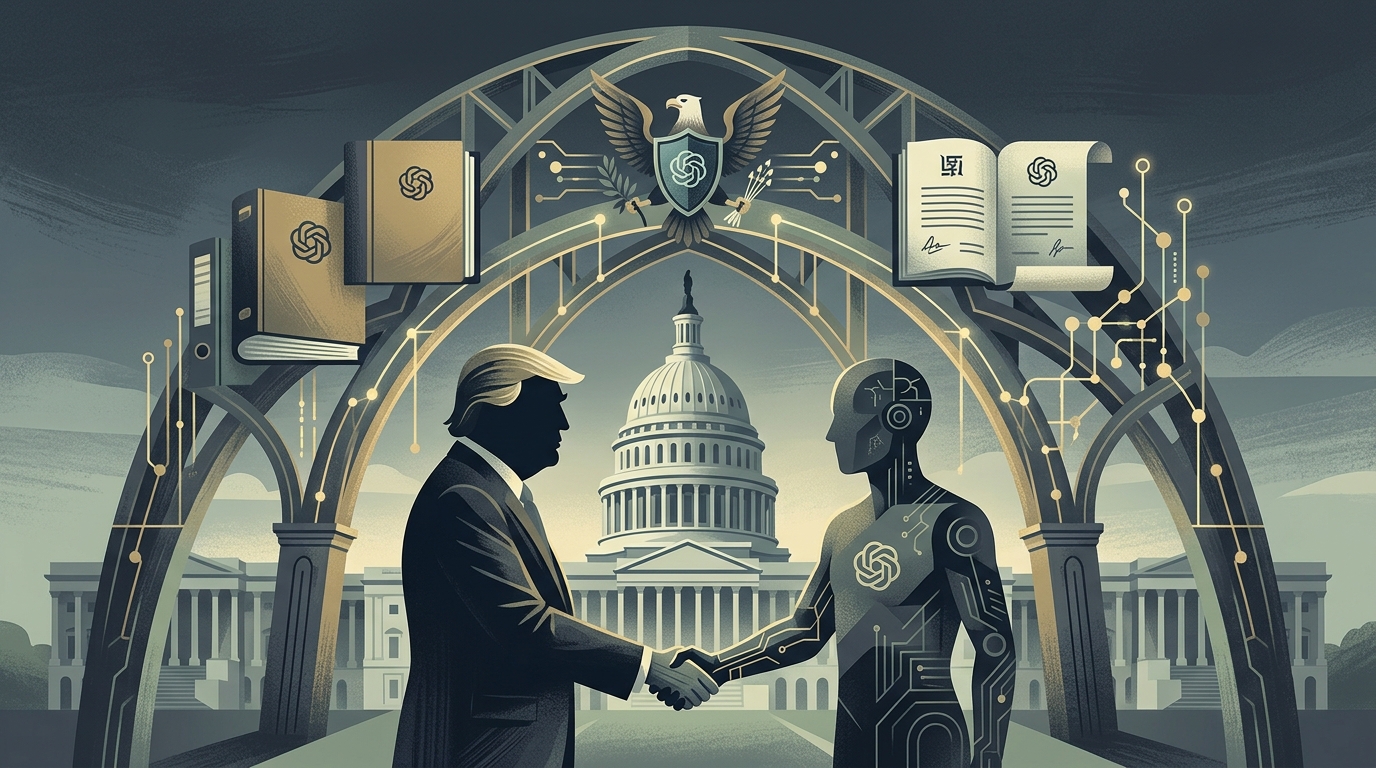
In an era where Artificial Intelligence (AI) has transitioned from a future promise to a daily reality in workplaces worldwide, the Director-General of the International Labour Organization (ILO) has issued a stark warning. The transition to an automated economy cannot be left solely to market forces. It requires a "human-centric approach" to ensure that technological progress does not come at the expense of human dignity, labor rights, and social cohesion.
Beyond the Fear of Displacement: Focusing on Job Quality
The discourse surrounding AI often centers on the specter of mass unemployment. However, the ILO emphasizes that the greater risk may not be the total disappearance of jobs, but the degradation of their quality. The integration of AI into production processes could lead to a new form of "digital Taylorism," where workers are monitored and evaluated by opaque algorithms every second of the day.
According to the Director-General, a human-centric approach means that AI should be used to augment human capabilities rather than simply replace them. This necessitates that control remains in human hands. The principle of "human-in-the-loop" is not merely a technical detail but an ethical and legal necessity. Decisions affecting a worker's life and career—such as hiring, promotion, or termination—must never be made exclusively by a machine.
The Rise of Algorithmic Management and Transparency
One of the most critical points of the ILO's intervention concerns algorithmic management. Today, millions of workers in the gig economy, as well as in traditional sectors, are governed by software that determines their workload, compensation, and breaks. The ILO calls for international standards that mandate algorithmic transparency.
- Right to explanation: Every worker must know how and why a decision was made by AI.
- Data protection: The collection of biometric and other personal data must be strictly limited to what is necessary.
- Collective bargaining: Unions must have a voice in the design and implementation of AI systems in the workplace.
The lack of transparency creates a power imbalance that undermines decades of labor relations. Without a clear regulatory framework, the risk of bias—based on gender, race, or age—embedded in AI training data could become institutionalized within corporate structures.
Bridging the Global Digital Divide
The ILO Director-General did not fail to address the geopolitical dimension of AI. There is a visible risk that AI will widen the gap between the Global North and the Global South. While developed economies have the infrastructure and capital to benefit from AI, developing nations may find themselves in a position of "digital colonialism," providing cheap labor for data labeling without reaping the technology's primary benefits.
A human-centric approach requires international cooperation for knowledge transfer and the funding of reskilling programs. Education must not be a privilege of the few but a global public good that allows all workers to adapt to the new demands of the labor market.
Conclusion: A New Social Contract for the AI Age
In conclusion, the ILO's intervention is a call for a new Social Contract in the age of AI. Technology is not destiny; it is the result of political and business choices. If we choose to put humans at the center, AI can lead to reduced working hours, improved safety, and the liberation of human creativity. However, if we allow the uncontrolled dominance of algorithms, we risk returning to 19th-century working conditions cloaked in high-tech attire.
"Artificial Intelligence must be a tool for social justice, not a mechanism for widening inequalities," the Director-General stated.