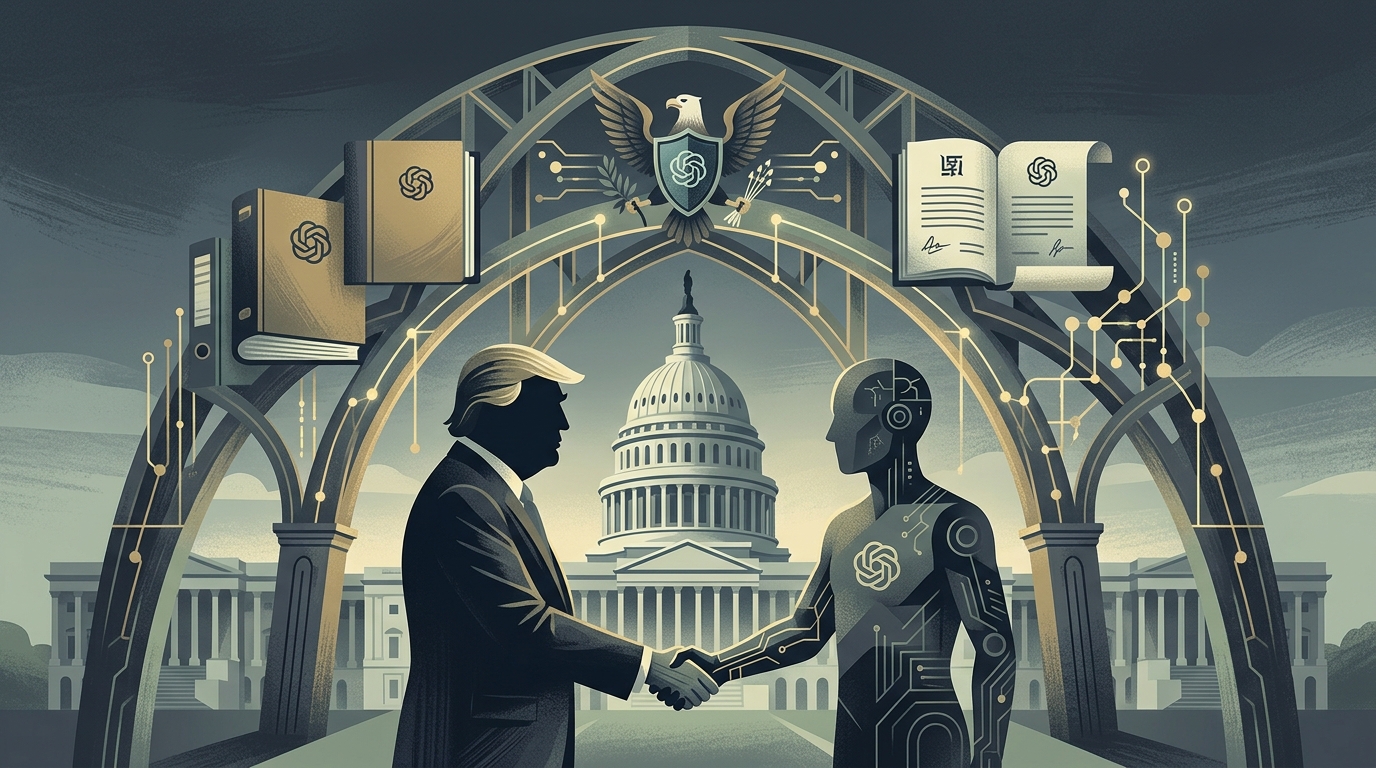
The relationship between Silicon Valley and Washington is entering a new, unprecedented phase. OpenAI, the company that sparked the generative AI revolution, has announced its intention to work closely with the Trump administration, allowing pre-emptive vetting of its future models before they are released to the public. This move, which would once have seemed unthinkable to the libertarian spirit of the tech industry, marks the recognition of AI as critical national infrastructure and a tool of geopolitical power.
The Convergence of Interests: National Security and Innovation
OpenAI's decision to allow government oversight is not merely a compliance move, but a strategic choice for survival and dominance. The Trump administration, under the "America First" doctrine, views artificial intelligence as the modern equivalent of the Manhattan Project. The goal is clear: ensuring that the United States remains the undisputed leader against China. For Sam Altman, aligning with this policy provides necessary political cover and, crucially, access to resources that only a state can mobilize.
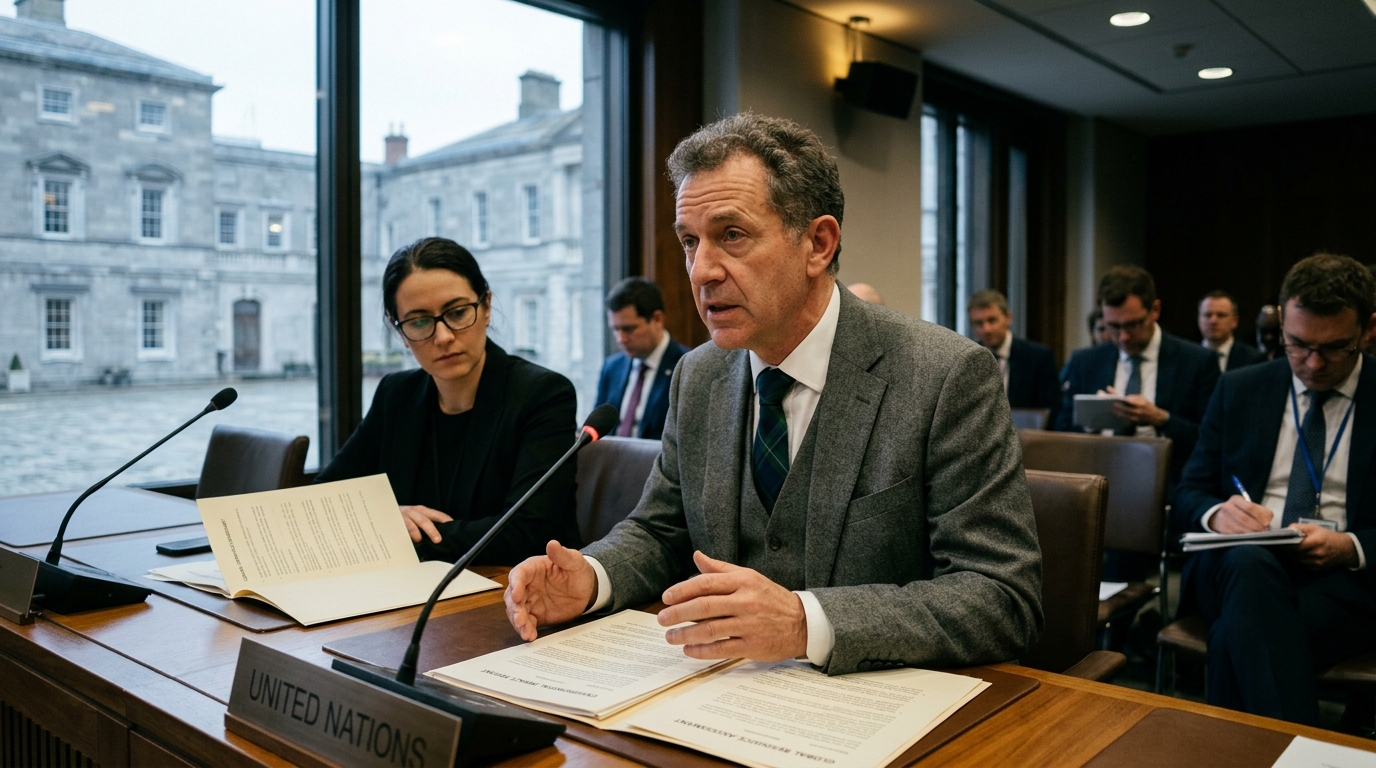
Vetting will focus on cybersecurity, biological threats, and the ability of models to assist in hostile military actions. According to sources close to the company, OpenAI will provide access to the US AI Safety Institute for "red-teaming" tests. This means that government experts will attempt to "break" the system, looking for security flaws before the rest of the world gains access to it.
Project Stargate and the Infrastructure of the Future
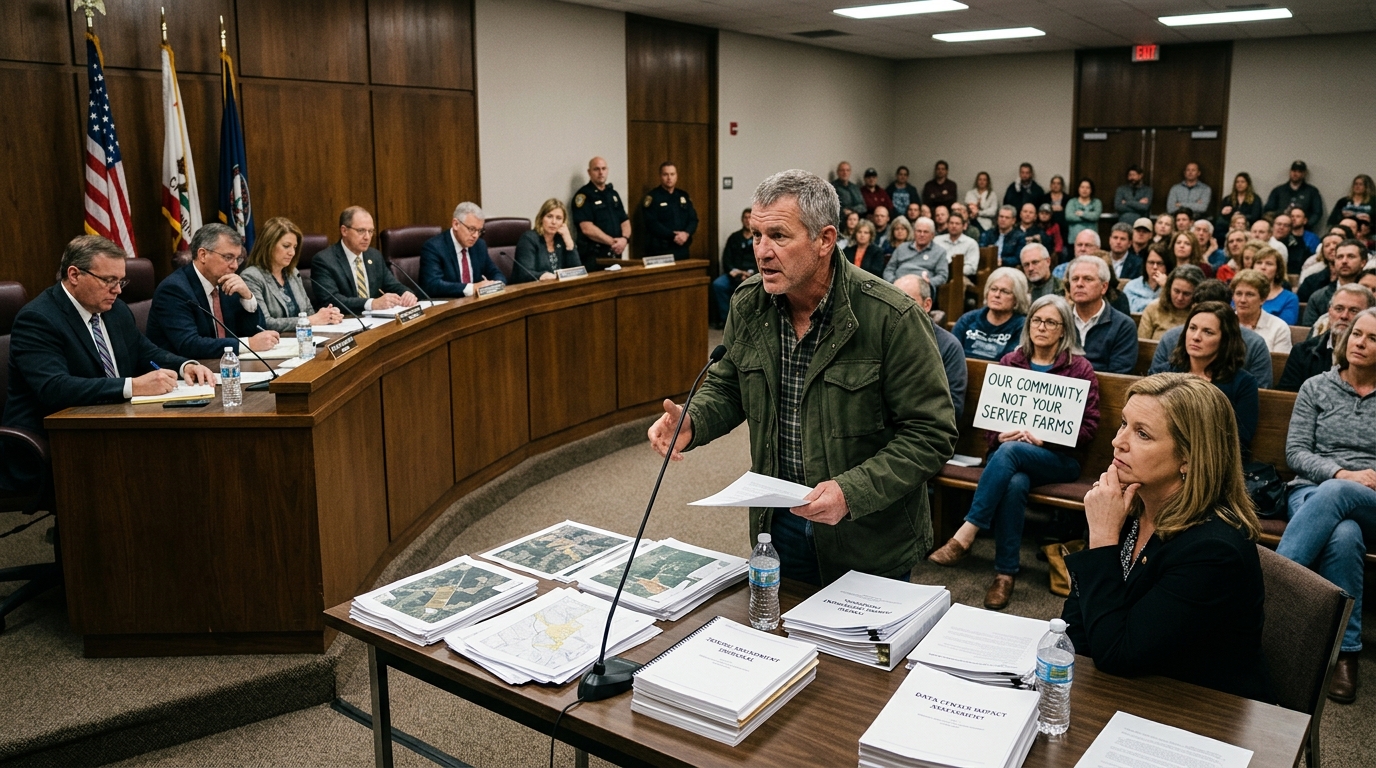
Behind the safety discussions lies a massive economic and logistical challenge. OpenAI and its partners, such as Microsoft, are promoting "Project Stargate," a mammoth $100 billion investment to create next-generation data centers. These data centers will require vast amounts of energy, making government support essential to bypass bureaucratic hurdles in energy and zoning.
The Trump administration seems willing to facilitate these investments, as long as the technology remains under American control. This "transactional" approach—safety and control in exchange for infrastructure and freedom of movement—is the new normal in the industry. However, critics warn that this close relationship could lead to "regulatory capture," where large companies co-shape the rules meant to limit them, excluding smaller players and the open-source community.
The Risks of State Oversight
Despite safety assurances, this move raises serious questions about censorship and the political instrumentalization of AI. If a government has the final say on what is "safe" to release, who guarantees that the criteria will not be political? The possibility of AI being trained or restricted based on the ideological preferences of the current administration is a risk that democratic society must seriously consider.
"Artificial intelligence is no longer a private product, but a national asset. Whoever controls its development controls the future of power," says a geopolitics analyst.
Furthermore, OpenAI faces internal pressures. The departure of top safety executives (such as Ilya Sutskever and Jan Leike) had already raised doubts about the company's priorities. The shift toward government vetting can be interpreted as an attempt to regain lost trust, but in a way that makes it a de facto arm of US state policy.
Conclusion: A New Balance
The alignment between OpenAI and Trump marks the end of innocence for AI. This technology is now too powerful to be left exclusively in private hands, but also too dangerous to be controlled without transparency by the state. The coming months will show whether this partnership will lead to safer systems or a closed oligopoly serving geopolitical interests at the expense of global innovation.