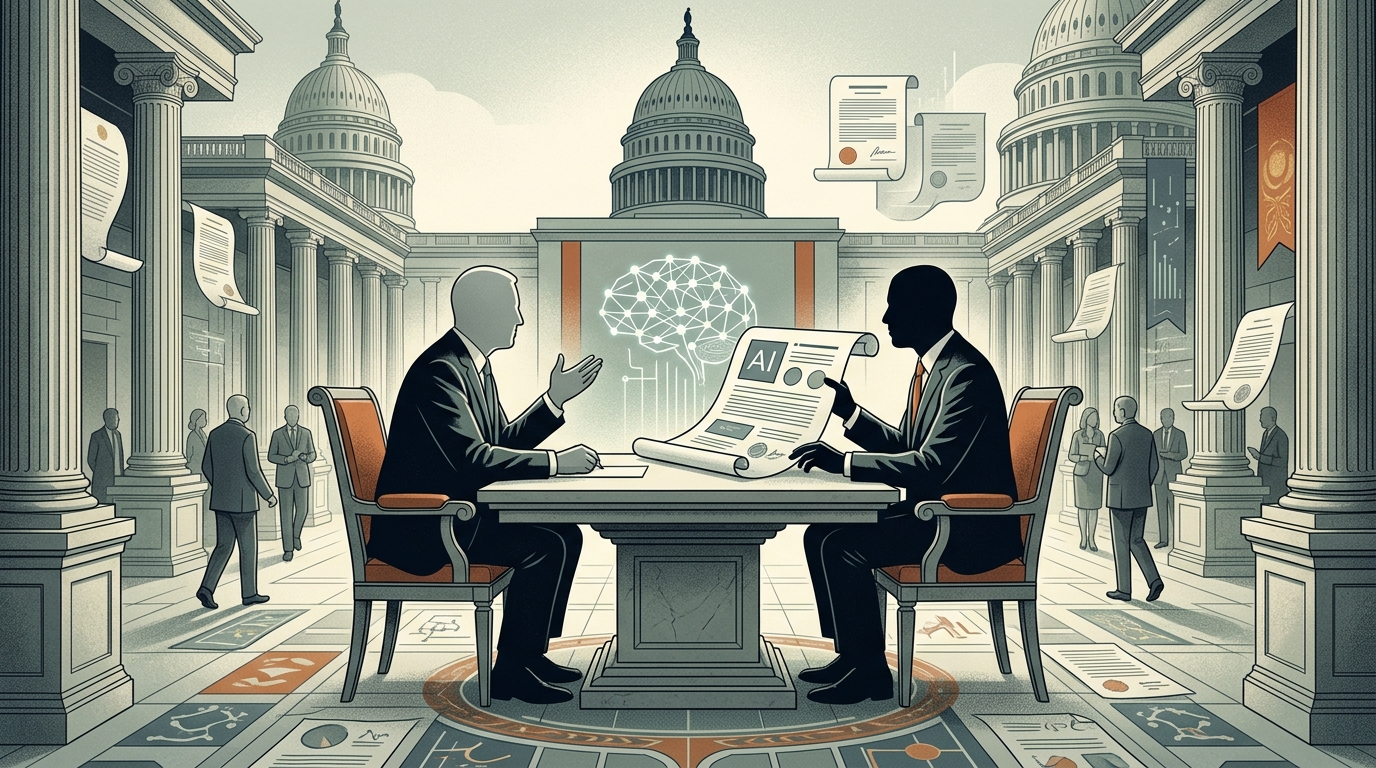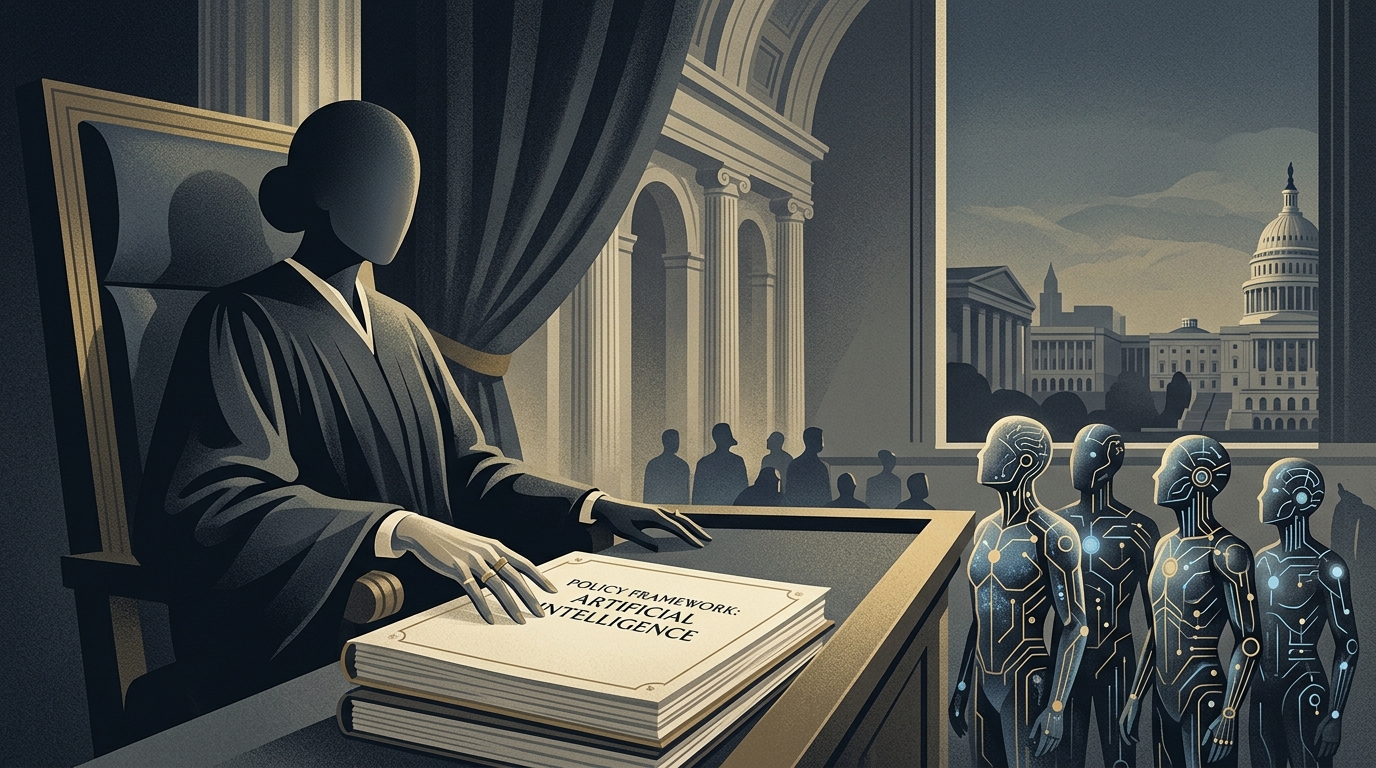
At the heart of a radical restructuring of the American healthcare system, the Trump administration is placing Artificial Intelligence (AI) at the center of clinical practice. This is not merely a technological upgrade but a political statement: deregulation and technological supremacy are envisioned as the cure for the chronic ailments of Medicare and private insurance providers. The initiative, strongly backed by circles linked to the "Make America Healthy Again" movement, promises to liberate doctors from the shackles of bureaucracy by placing a "digital assistant" in every exam room.
Deregulation as a Driver of Innovation
Washington's core argument is that stringent FDA (Food and Drug Administration) regulations and complex privacy laws (HIPAA) have delayed the adoption of tools that could save lives. The new approach favors a "test and learn" model, where diagnostic algorithms and data-logging applications are approved at record speeds. According to sources close to the White House, the goal is to reduce the time doctors spend on administrative tasks by 50% within the next two years.
However, this strategy is not without risks. Critics point out that loosening safety standards could lead to misdiagnoses from algorithms that haven't been sufficiently tested across diverse populations. Furthermore, the administration's close ties with Silicon Valley tech giants raise questions about who will ultimately control the sensitive medical data of millions of Americans.
The Sanctity of the Exam Room and Digital Intervention
The introduction of AI into the exam room fundamentally alters the doctor-patient relationship. Tools like "ambient scribing"—where AI listens to the conversation and takes notes in real-time—promise to restore eye contact between physician and patient. Yet, the presence of a "third ear" belonging to a software company creates a sense of constant surveillance.
"Medicine is an art based on trust. If the patient feels that every word feeds an algorithm, the honesty required for a correct diagnosis may be lost,"representatives of medical associations state.
The Trump administration, however, views this evolution as necessary for competing with China. Hegemony in "Health AI" is considered a matter of national security. The idea is that if the US does not dominate health data and medical algorithm development, Beijing will, jeopardizing the biological sovereignty of the West.
Economic Implications and the Future of Care
Economically, this move aims to reduce healthcare costs through prevention and more accurate triage. AI can identify patterns in blood tests or X-rays long before the human eye notices them. If combined with political pressure to lower drug prices, the result could be a more efficient system. Nevertheless, the transition requires massive infrastructure investments that many rural clinics cannot support, sparking fears of a "digital divide" in healthcare.
In conclusion, the Trump-backed push for AI in the exam room is a bold gamble. It promises a revolution in efficiency but requires surrendering one of the last private spaces of human experience to technological surveillance. The remaining question is whether the patient of 2026 will see AI as a life-saving assistant or an intrusive interloper.