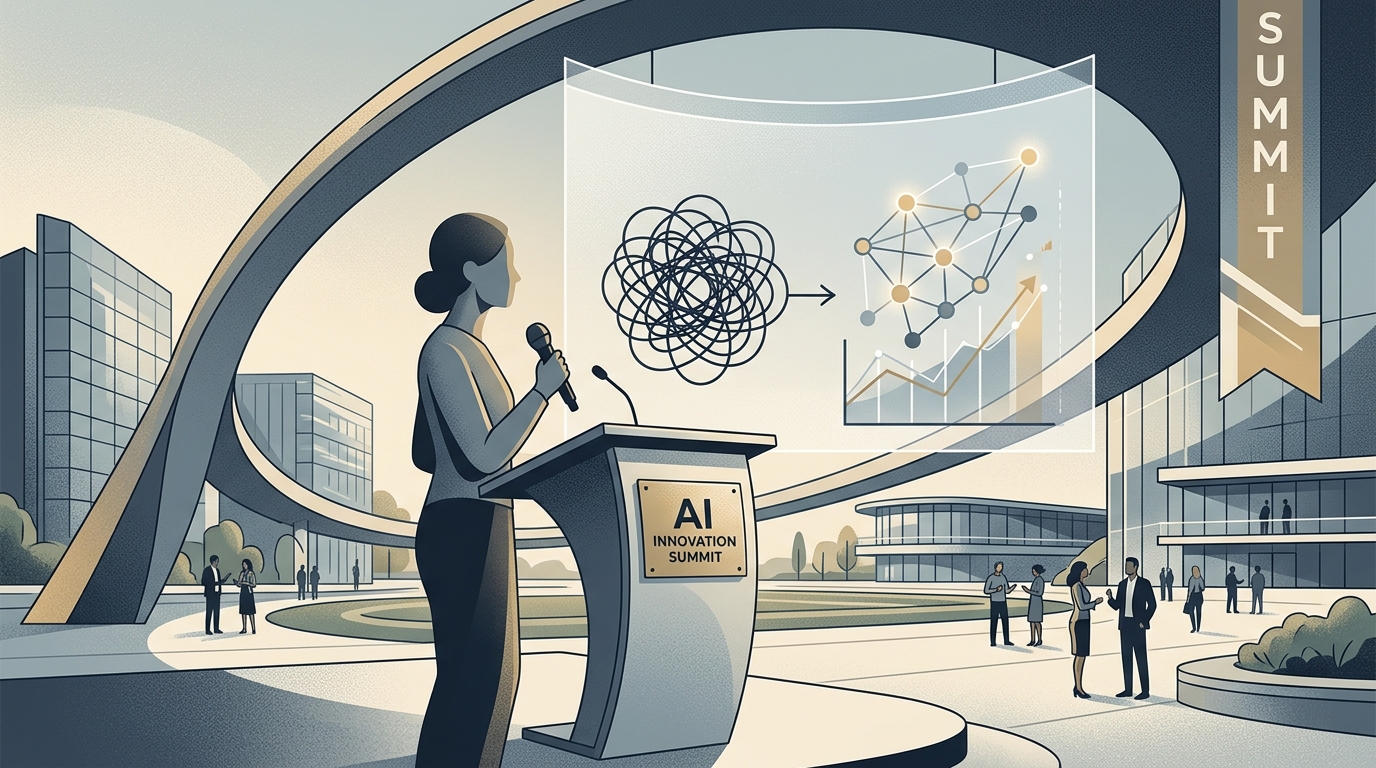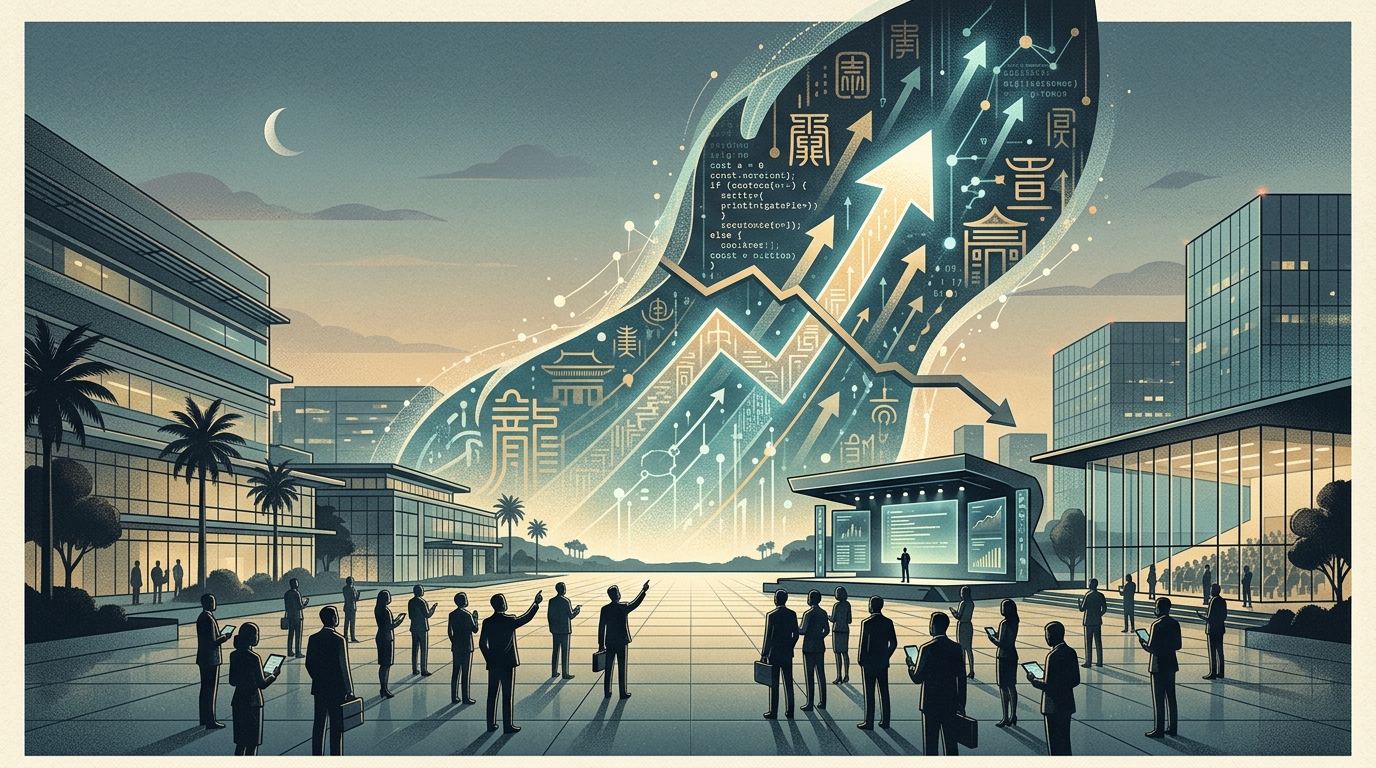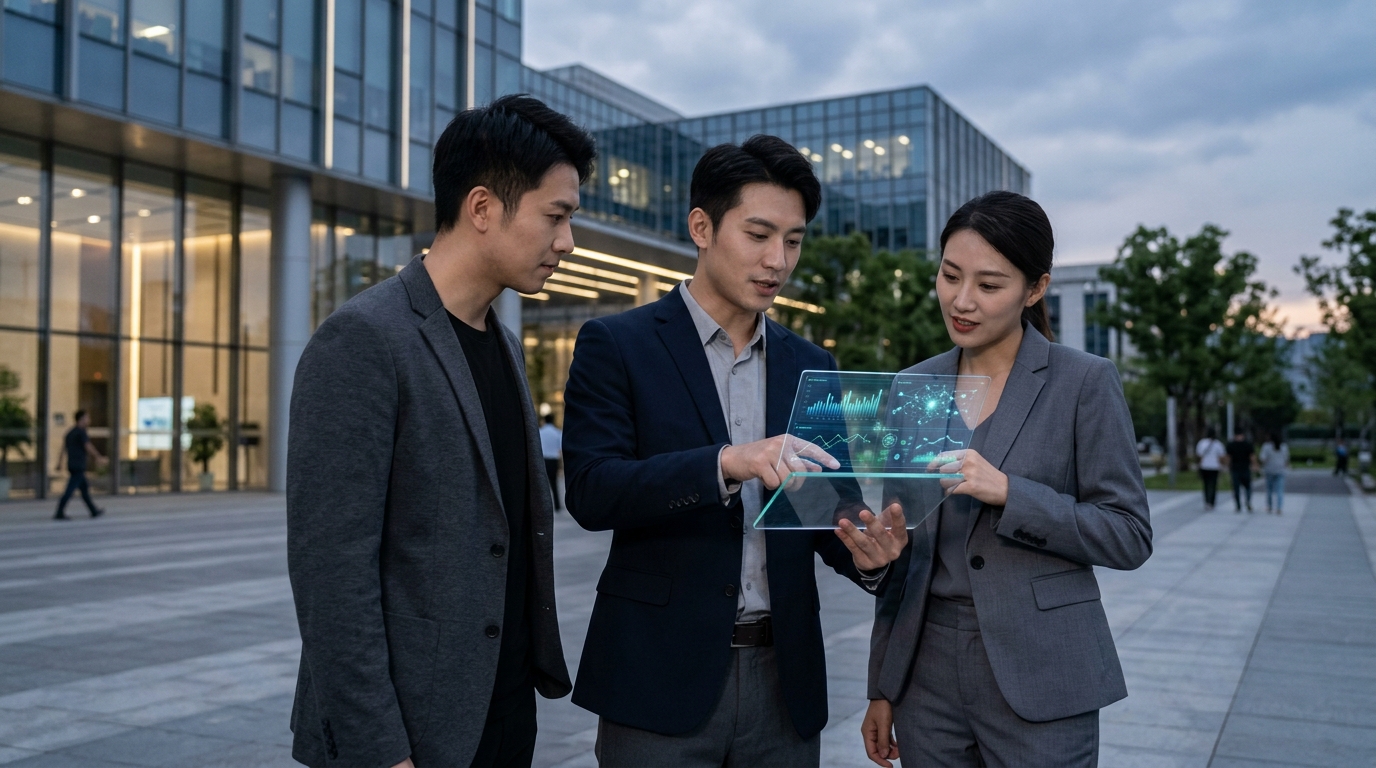
As we enter early June 2026, the atmosphere in the Chinese market is electric, but not in the way we've grown accustomed to. "618," China’s second-largest shopping festival after Singles' Day, is no longer just a battle of discounts. This year, the event marks the total handover of the reins to Artificial Intelligence. From Alibaba and JD.com to Pinduoduo and Douyin, China’s internet giants have transformed their platforms into massive laboratories of applied AI, fundamentally changing how consumers discover, evaluate, and purchase products.
The Revolution of Digital Hosts
One of the most visible changes in this year's 618 is the massive dominance of "digital humans" in live-streaming commerce. While two years ago the top streamers were celebrities with millions of followers, today screens are flooded with AI avatars operating 24/7. These digital presenters, powered by advanced Large Language Models (LLMs), can answer specific customer questions in real-time, demonstrate products with photorealistic accuracy, and adjust their behavior based on sentiments detected in user comments.
Cost is the primary driver of this shift. Hiring a top-tier human streamer and a full production team costs thousands of dollars per hour. An AI avatar, by contrast, costs a fraction of that and never tires. For the small and medium-sized enterprises (SMEs) participating in 618, AI has become the great equalizer, allowing them to compete with major brands through professional-quality live broadcasts without the need for massive marketing budgets.
Hyper-Personalization and the End of Generic Coupons
The "one size fits all" strategy for discounts is dead. This year, Alibaba and JD.com's algorithms use predictive models to offer dynamic pricing and personalized offer bundles. Instead of a generic 20% coupon, AI analyzes browsing history, past purchases, and even dwell time on specific images to create a unique offer for each user. This level of precision ensures higher conversion rates and reduces customer acquisition costs, which had skyrocketed in previous years due to market saturation.
Furthermore, AI is now taking over content creation. Product descriptions, photos, and promotional videos are automatically generated by Generative AI, tailored to the aesthetic preferences of each demographic group. A user in Shanghai might see an ad for a sneaker against an urban backdrop, while a user in a rural province might see the same product in a more natural setting—all generated in seconds by the algorithm.
Logistics: The Invisible Intelligence
Behind the glitz of the offers, AI manages the most critical part of 618: the supply chain. With hundreds of millions of orders placed within a few days, the pressure on logistics systems is immense. JD.com has deployed "smart warehousing" systems where AI predicts demand by region weeks before the festival begins. This allows for the pre-positioning of goods in local warehouses, enabling delivery within hours of an order being placed.
Autonomous delivery vehicles and drones are also playing a central role this year, especially in "tier-one cities." AI-driven route optimization is reducing the carbon footprint of the event, a topic that has begun to significantly concern both the Chinese government and consumers. Efficiency is no longer just a matter of speed, but also of sustainability, with AI balancing these two often conflicting needs.
The Political and Economic Dimension
The pivot toward AI is not just a technological choice but a response to the slowdown in China's domestic consumption. With consumers becoming more cautious with their spending, e-commerce platforms are forced to find ways to increase efficiency. AI offers the solution of "growth without extra cost," allowing companies to maintain profit margins in an environment of intense price competition.
At the same time, this evolution aligns with China's national strategy to become a global leader in AI by 2030. 618 serves as the ultimate testing ground for technologies that will later be exported through platforms like Temu and TikTok Shop (Douyin) to international markets. What we are seeing in China today is the future of global commerce: a world where human desire meets algorithmic precision in a perpetual loop of consumption.