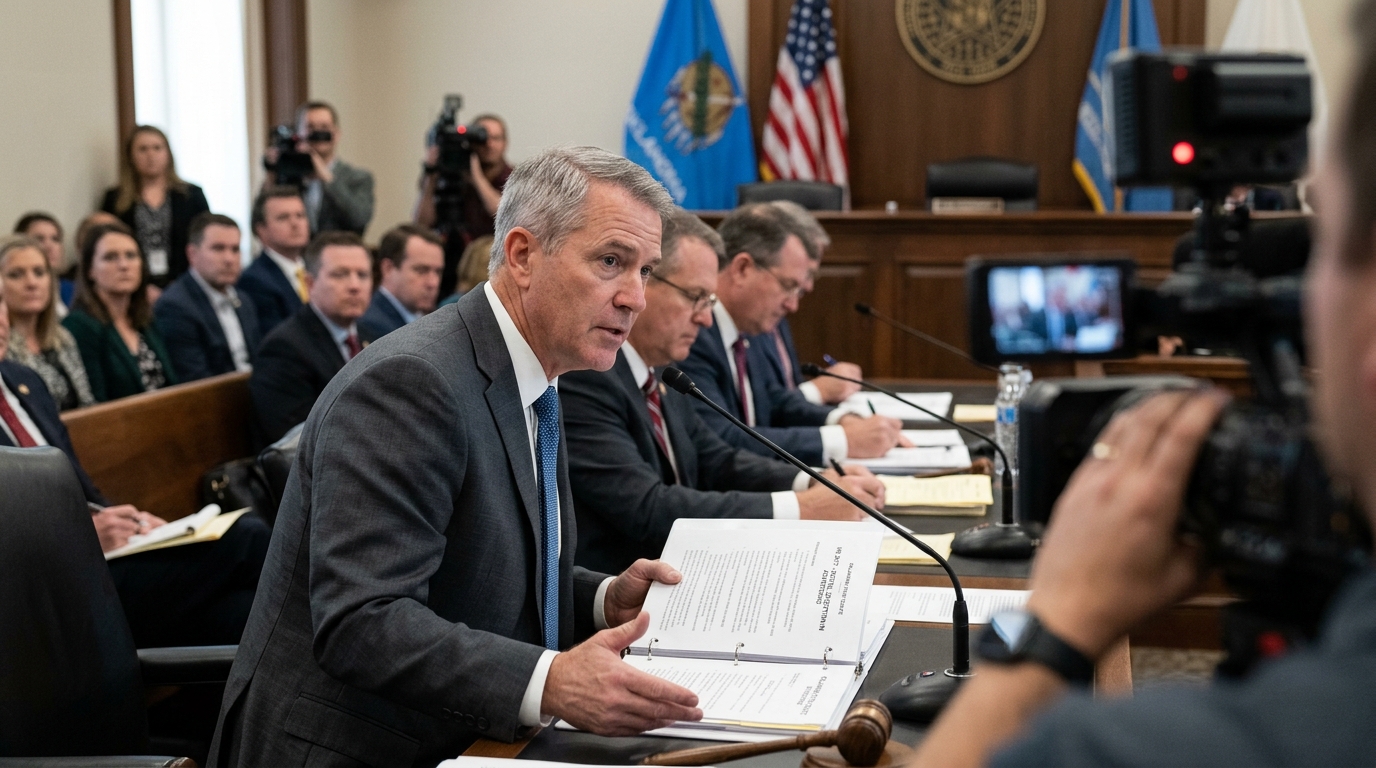
In an era where digital reality is increasingly blurred with manufactured illusion, the State of Oklahoma is finding itself at the center of a critical democratic debate. The Oklahoma Ethics Commission recently announced that it is in the early stages of examining and potentially regulating the use of Artificial Intelligence (AI) in campaign advertising. This move is not merely a bureaucratic reaction, but a concerted effort to shield electoral processes from a technology capable of misleading voters with unprecedented speed and persuasiveness.
The Deepfake Challenge and the Call for Transparency
The primary concern for Commission members and political communication experts centers on "deepfakes"—audio or visual content manipulated by AI to depict someone saying or doing something that never occurred. In the political landscape, the deployment of such tools can be devastating. Imagine a video circulating just hours before polls open, appearing to show a candidate confessing to an illegal act. Even if proven fake, the damage to public perception may be irreversible.
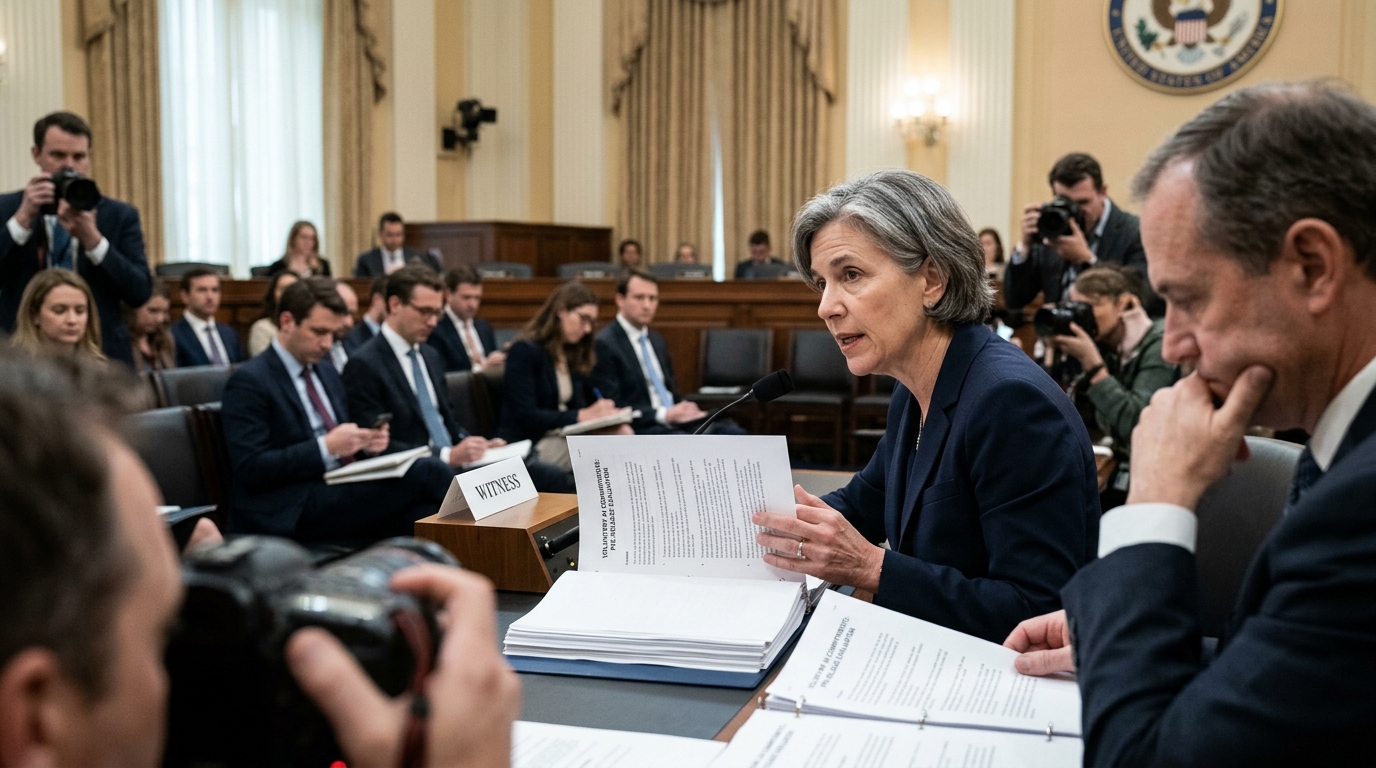
The Oklahoma Ethics Commission aims to establish rules requiring clear disclosure when an advertisement's content has been generated or significantly altered by AI. "We are not trying to stop the technology," a commission representative noted, "but to ensure the voter knows what they are looking at." This transparency is seen as the first and most crucial step in maintaining public trust in institutions, which is already being strained by the proliferation of misinformation.
Legal Hurdles and the First Amendment
However, regulating political speech in the United States is an exceptionally complex endeavor due to the First Amendment of the Constitution, which protects freedom of speech. Any restriction or disclosure requirement must be carefully drafted to avoid being characterized as censorship or undue interference with political expression. Critics of such regulations often argue that satire or artistic expression through AI could be stifled by overly stringent rules.
The Oklahoma Commission is studying examples from other states, such as California and Michigan, which have already passed relevant legislation. The challenge lies in defining what constitutes "material deception." Is a simple AI-driven lighting enhancement on a photo grounds for a disclaimer? Or should disclaimers only apply to the creation of synthetic speech? These are the questions the Commission must answer through public consultations and legal analyses in the coming months.
The Global Context and the Future of Democracy
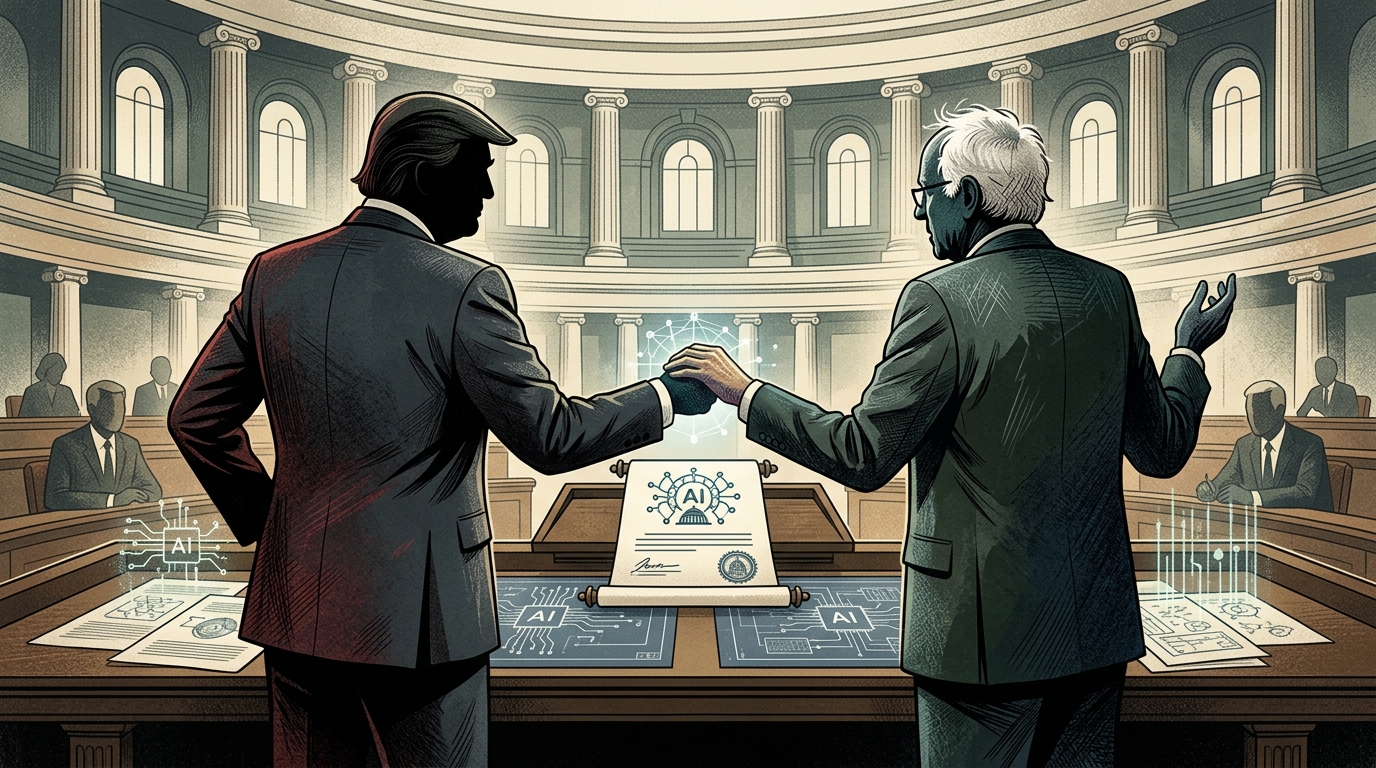
Oklahoma’s initiative does not take place in a vacuum. Around the world, from the European Union with its AI Act to India and Brazil, governments are searching for ways to harness digital disinformation. The ease with which persuasive propaganda can now be created at minimal cost has fundamentally changed the rules of the game. In the past, a smear campaign required significant resources and time; today, it requires only a few prompts in a generative AI model.
The stake for Oklahoma is the integrity of local elections themselves. As we approach future election cycles, the pressure for clear rules increases. The Ethics Commission acknowledges that technology moves faster than legislation, and therefore its approach must be flexible. The success or failure of these efforts will serve as a guide for other states closely monitoring the situation. Protecting truth in the digital space is no longer a theoretical exercise but an urgent necessity for the survival of the democratic process.