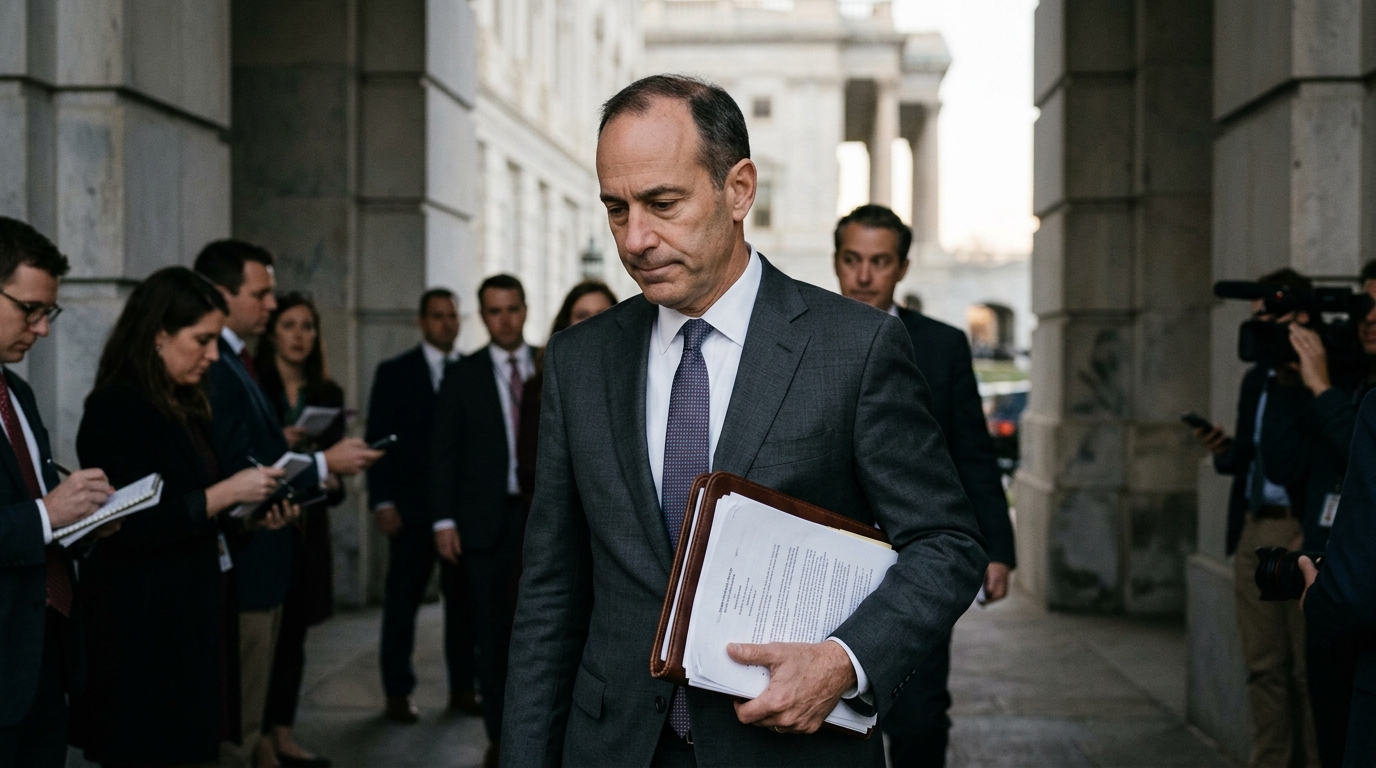
In a move that has sent shockwaves through both the corridors of Washington D.C. and the boardroom offices of Silicon Valley, Sriram Krishnan, the man widely regarded as the primary bridge between the Trump administration and the tech elite, has announced his departure from his role as AI policy adviser. First reported by the South China Morning Post, this resignation is far from a routine staff change; it signals a profound recalibration of U.S. strategy in the global race for digital hegemony.
The Venture Capitalist in the West Wing
Krishnan, a partner at Andreessen Horowitz (a16z) with deep ties to Elon Musk, served as the chief architect of 'techno-optimism' within the White House. His tenure was defined by an aggressive push for deregulation, aimed at dismantling the oversight framework established by the previous Biden administration's Executive Order on AI. Krishnan’s philosophy was clear: AI is not a risk to be managed by bureaucrats, but a frontier to be conquered by engineers.
Under his guidance, the administration championed the 'American AI Supremacy' doctrine. This involved prioritizing massive compute clusters and securing energy resources—often by fast-tracking nuclear power options for data centers—while sidestepping traditional environmental and safety hurdles. His departure raises critical questions about whether this 'accelerationist' momentum will persist or if a more protectionist, national-security-centric faction will take the lead.
Geopolitics and the Beijing Rivalry
The fact that this story broke via Asian media outlets underscores the international stakes. Krishnan’s policy was explicitly designed to counter China’s rise. He advocated for stringent export controls on high-end semiconductors while simultaneously pushing for an open-source domestic environment to foster rapid innovation. This strategy was built on the premise that America wins the 'AI Cold War' by out-innovating, not by out-regulating.
- His role in repealing mandatory safety testing for large-scale frontier models.
- The strategic focus on 'energy abundance' to fuel the next generation of AI training.
- His alignment with the e/acc (effective accelerationism) movement within Silicon Valley.
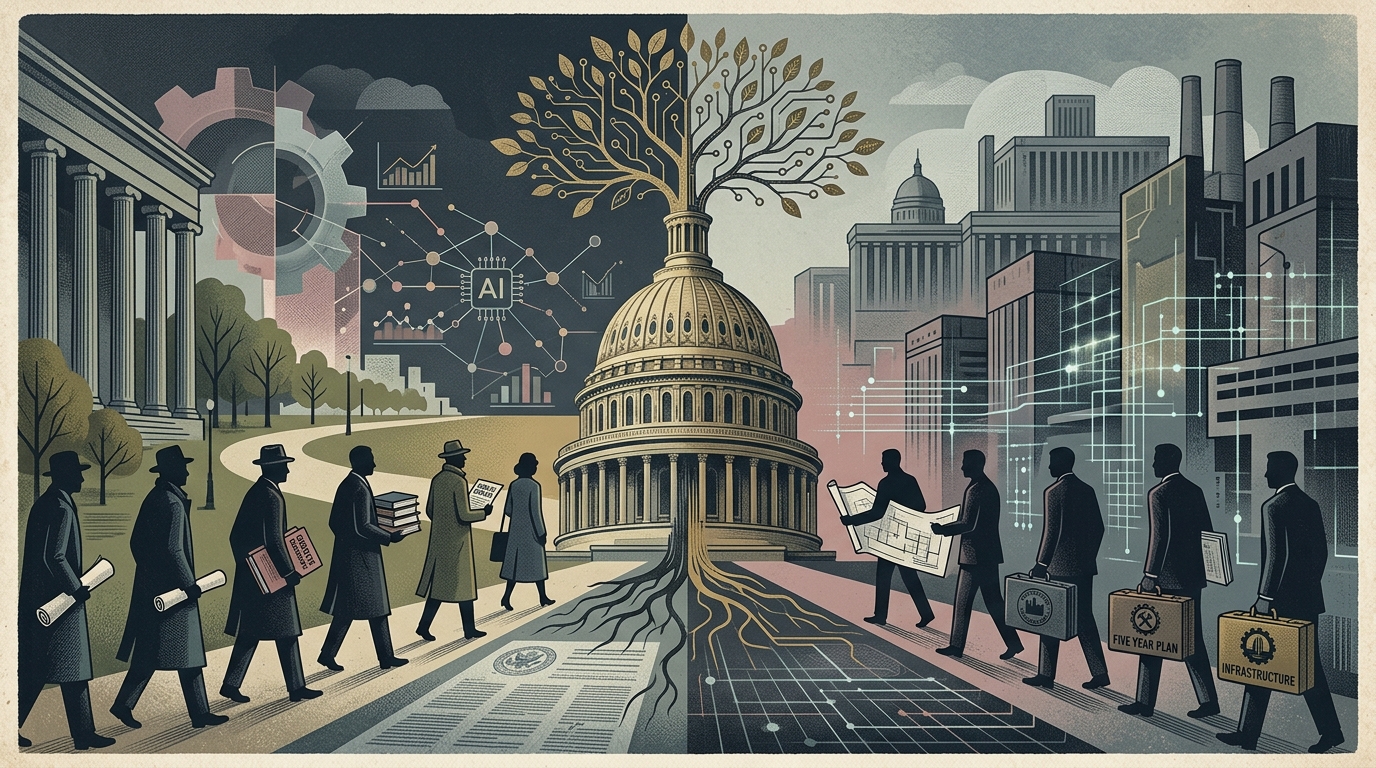
However, whispers from within the Beltway suggest internal friction. National security hawks reportedly clashed with Krishnan’s open-source advocacy, fearing that a lack of centralized control could inadvertently leak sensitive algorithmic breakthroughs to adversarial states like China. His exit may be the result of these two worldviews—Silicon Valley libertarianism and Washington statism—finally reaching a breaking point.
Legacy and the Power Vacuum
What does Krishnan’s exit mean for the markets? Investors are hyper-focused on his successor. If the next appointee hails from the traditional Defense Tech sector, we can expect AI to be treated increasingly as a classified weapon system. Conversely, if another Big Tech or VC surrogate steps in, the deregulatory bonfire will likely continue.
"Artificial Intelligence is the new Manhattan Project, and Sriram tried to run it with the urgency and ethos of a Series A startup," noted one senior policy analyst.
Regardless of the immediate cause of his departure, Krishnan's legacy is the normalization of the 'tech-bro' influence in high-level federal policy. Silicon Valley has lost its most potent envoy in the White House, and the coming months will reveal if the alliance between the MAGA movement and the venture capital world can survive without its most effective mediator. As the 2026 midterms approach, the direction of AI policy remains the most consequential variable in the global power equation.