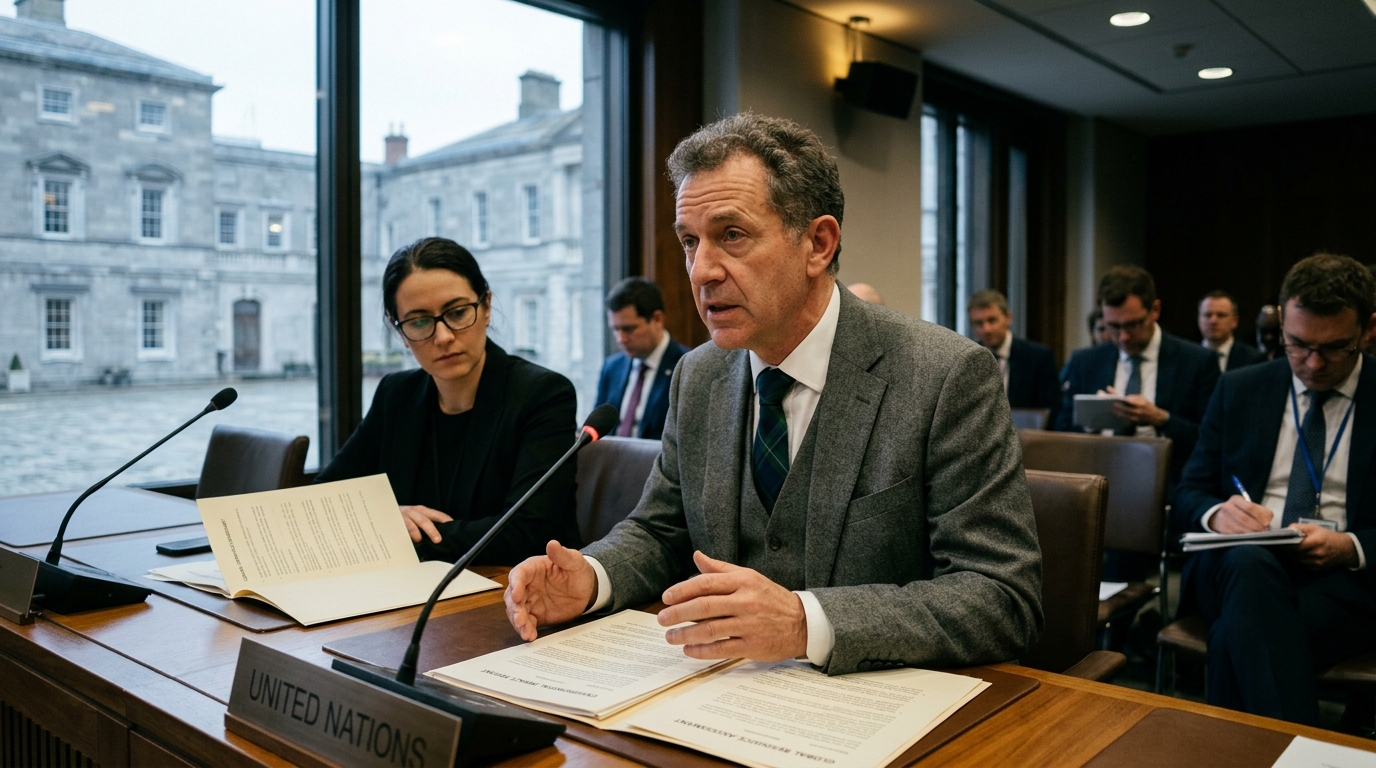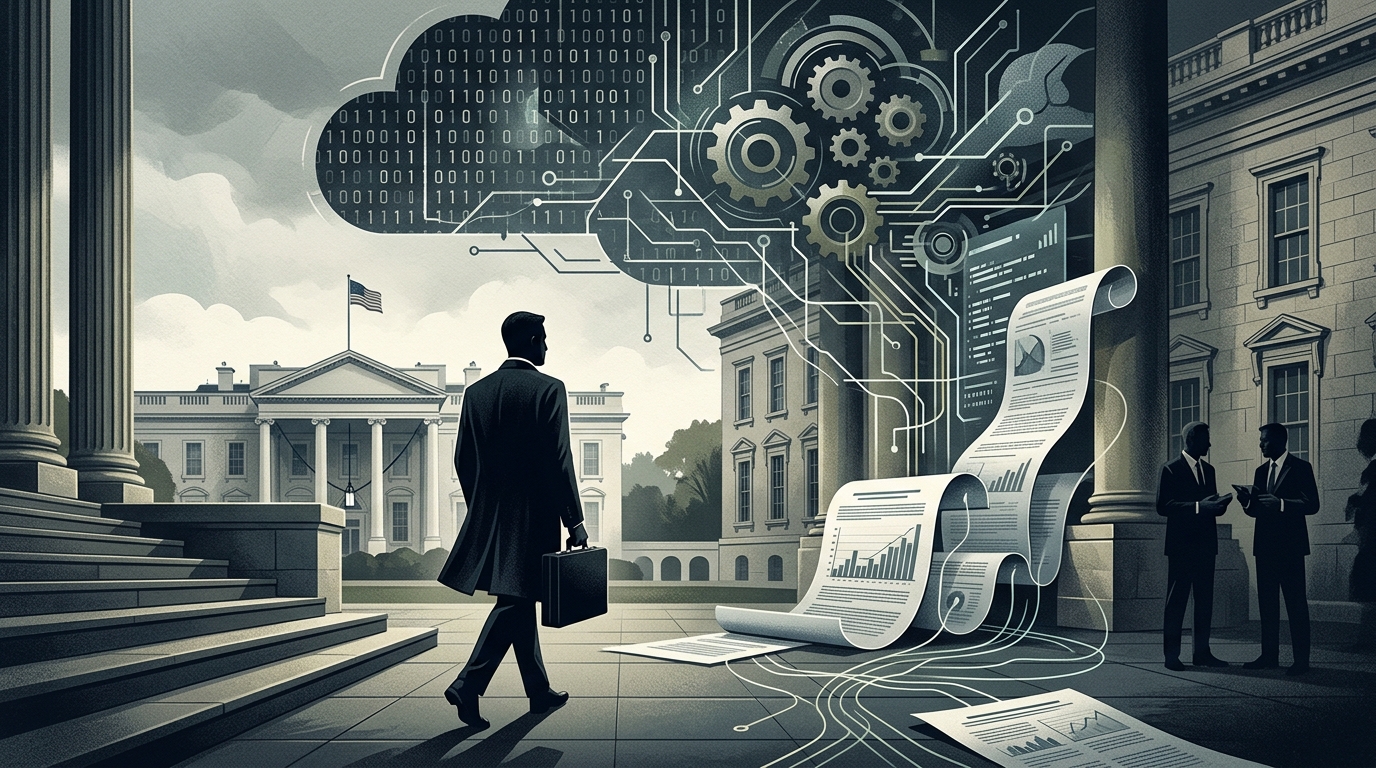
The announcement of Sriram Krishnan’s departure from the White House marks the conclusion of an extraordinarily intense and transformative period for American technology policy. Krishnan, a seasoned technocrat with deep roots in Silicon Valley, served as a special advisor on Artificial Intelligence (AI) at the Office of Science and Technology Policy (OSTP), acting as the vital bridge between tech giants and Washington’s regulatory bodies.
His 18-month tenure coincided with the explosion of Generative AI and a global anxiety regarding its implications for society, the economy, and national security. Krishnan was not merely an observer but the architect of several initiatives that attempted to harness the power of algorithms without stifling the engine of innovation.
The AI Executive Order: Krishnan’s Enduring Legacy
The most significant achievement of the Krishnan era was undoubtedly President Biden’s landmark Executive Order on Safe, Secure, and Trustworthy Artificial Intelligence, issued in October 2023. This milestone document laid the groundwork for mandatory reporting of safety test results by AI companies to the government—a move that sparked intense debate over the limits of state intervention in private enterprise.
Krishnan leveraged his experience from tenures at companies like Twitter (now X), Meta, and Andreessen Horowitz (a16z) to ensure that regulations remained technically feasible. He understood early on that policy cannot be crafted in a vacuum, detached from code and data centers. His ability to translate the concerns of engineers into legislative language was key to the executive order’s acceptance by a significant portion of the tech community.
The Geopolitical Chessboard and Tech Diplomacy
Beyond the domestic front, Krishnan played a pivotal role on the international stage. He was actively involved in shaping the "Bletchley Declaration" and subsequent AI safety summits. His strategy was clear: the U.S. had to lead the global conversation to prevent the dominance of authoritarian tech governance models, such as those championed by China.
His exit comes at a time when the global AI arms race is escalating. The European Union has already enacted the AI Act, and the U.S. is under pressure to prove that its own model—relying more on executive directives and less on hard legislation—can produce tangible results. Krishnan staunchly argued that safety and innovation are two sides of the same coin, a balance that may prove difficult to maintain without his mediation.
The "Revolving Door" Challenge
Sriram Krishnan’s case also highlights the perennial issue of the "revolving door" between Silicon Valley and Washington. While his technical expertise was indispensable, his background in top-tier venture capital firms drew skepticism from certain circles within the progressive wing of the Democratic Party, who fear that AI policy is being written by the very people who fund it.
However, his supporters point out that without such executives, the government would be doomed to regulate a technology it does not fully grasp. Krishnan succeeded in convincing many that national power in the 21st century depends on whether Washington can speak the language of algorithms. His departure leaves a void that will be difficult to fill, as the demand for experts who combine political acumen with technical depth has never been higher.
What Lies Ahead for U.S. AI Policy?
With Krishnan’s departure, the White House enters a phase of implementation and enforcement. The question remains whether the succeeding team will continue the collaborative approach with the private sector or pivot toward a more stringent regulatory stance. Furthermore, the U.S. election cycle adds a layer of uncertainty, as AI has become a field of partisan contention, with issues ranging from algorithmic bias to job displacement.
Krishnan will likely return to the private sector, where his value has arguably skyrocketed. His 18-month tenure will be remembered as the moment Washington decided to take AI seriously—not just as an economic opportunity, but as an existential matter of governance. His footprint will continue to influence how future generations interact with machines.