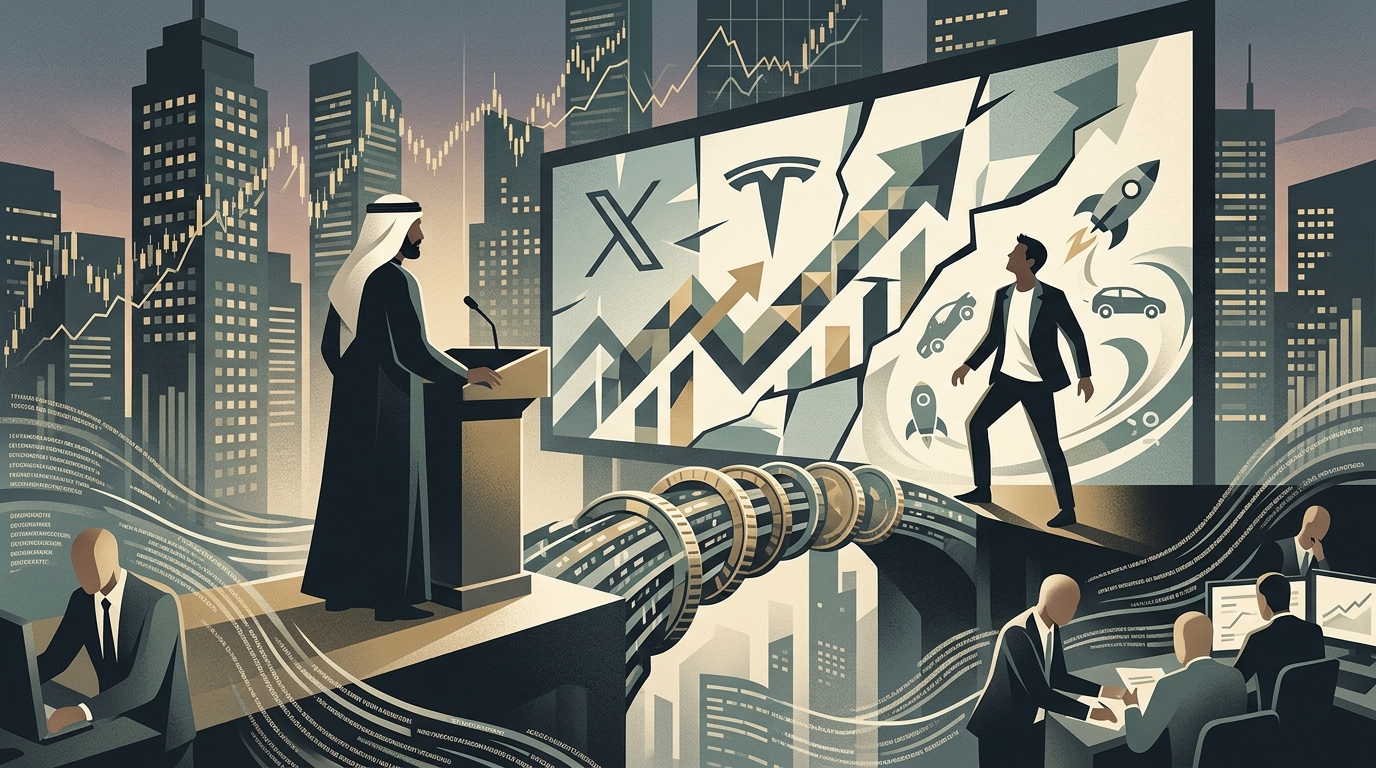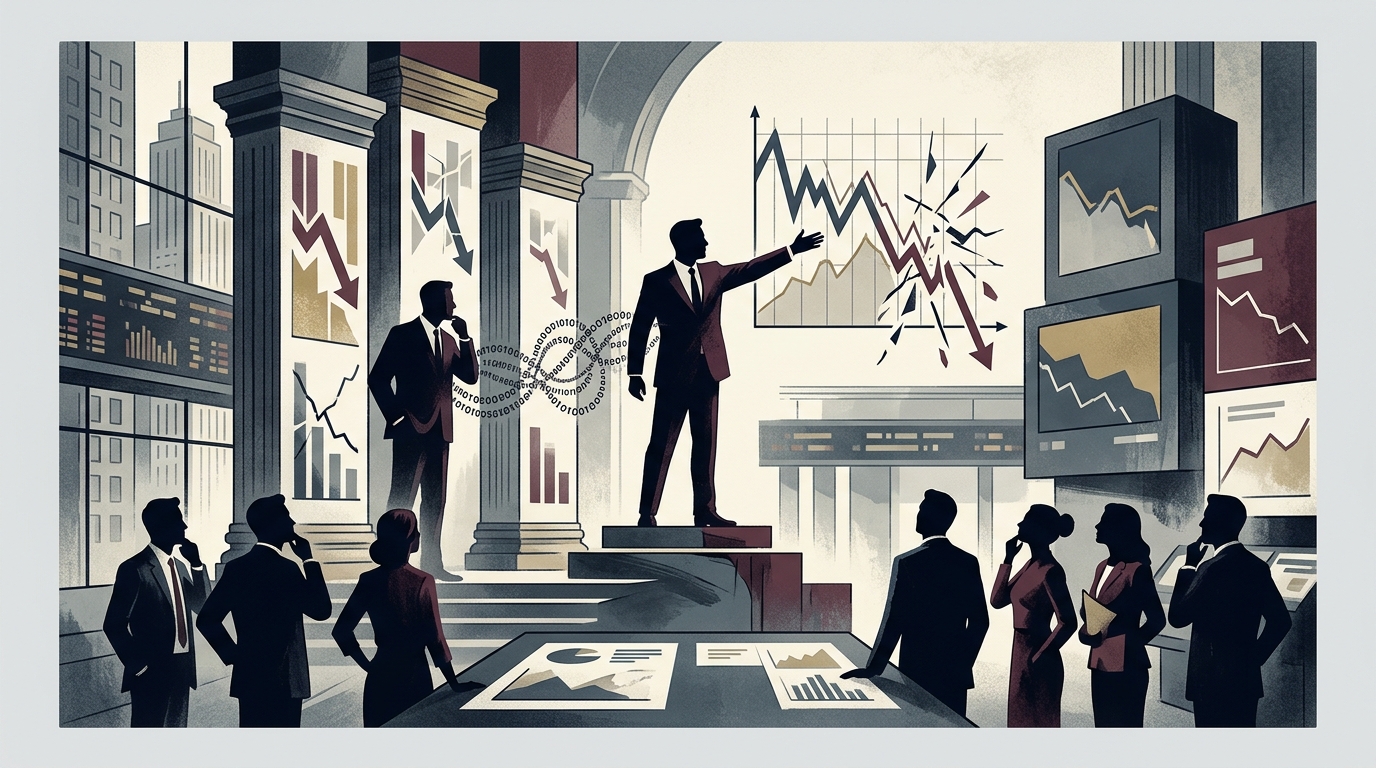
The clash between Silicon Valley and Washington over the control of "digital intelligence" is entering a new, more aggressive phase. As we move through June 2026, the debate over who ultimately owns the fruits of Artificial Intelligence (AI) is no longer just about code and algorithms, but about the fundamental structure of the capitalist economy. David Sacks, the former "AI Czar" and prominent investor, has launched a blistering attack on Senator Bernie Sanders' proposal for government equity stakes in AI companies, labeling it a "stupidity tax" that could lead to a catastrophic nationalization of technology.
The Sanders Proposal and the Ghost of Nationalization
Bernie Sanders' proposal, which has sent shockwaves through the markets, mandates that any AI company receiving government subsidies, access to public computing resources, or tax breaks for large-scale model development must grant a percentage of its equity to the state. Sanders argues that since this technology is built on public data and infrastructure, citizens deserve a direct share of the profits, especially as AI threatens to displace millions of jobs.
However, for Sacks, this approach is the definition of economic illiteracy. "Asking the world's most innovative companies to hand over control to bureaucrats is the fastest way to ensure America loses the AI race to China," he stated in a recent interview. Sacks contends that imposing government equity will act as a massive disincentive for investment, driving capital to more "friendly" jurisdictions.
The Trump Pivot and the Right-Wing Paradox
The most intriguing element of the current political landscape is that the idea of public stakes is no longer confined to the progressive left. Reports suggest that Donald Trump’s advisors are also weighing the creation of a "Strategic National Intelligence Reserve," which could include public stakes in critical AI infrastructure for national security reasons. This convergence of extremes—Sanders’ socialist redistribution on one side and Trump’s economic nationalism on the other—has put tech leaders on the defensive.
- The threat of nationalization as a means to control misinformation.
- Using public stakes to enforce ethical AI guidelines.
- Concerns over the creation of a "state monopoly" on knowledge.
Sacks warns that if the government gains a seat on the boards of OpenAI, Anthropic, or Google, the technology will be transformed into a tool for political propaganda. "It’s not about the money," he remarked, "it’s about controlling what AI is allowed to think and say."
“Chickens Coming Home to Roost”: The Tech CEO Trap
One of Sacks' most biting observations concerns the role of AI leaders themselves. According to him, OpenAI’s Sam Altman and Anthropic’s Dario Amodei bear responsibility for the current climate. For years, these leaders warned of "existential risks" and "massive job displacement," perhaps seeking to capture the attention of regulators and build moats against smaller competitors.
"Dario and Sam have begun to walk back their claims of massive job loss, but the damage to public trust is done, and now the chickens are coming home to roost," Sacks noted.
In other words, politicians are now using the very fears cultivated by the companies to justify state intervention. If AI is as dangerous as its creators claim, why should it remain in private hands? This is the question CEOs must now answer, as they find themselves trapped between the need for state support and the desire for corporate autonomy.
Conclusion: Toward a New Social Contract?
The debate over the "stupidity tax" highlights the deep divide between economic efficiency and social justice in the AI era. While Sacks is correct that nationalization often stifles innovation, Sanders touches on a real concern: the immense concentration of wealth and power in very few hands. The future of AI may not be decided in labs, but at the ballot box and in legislative chambers, where the old dilemma of "state vs. market" takes on a new, digital, and unpredictable dimension.