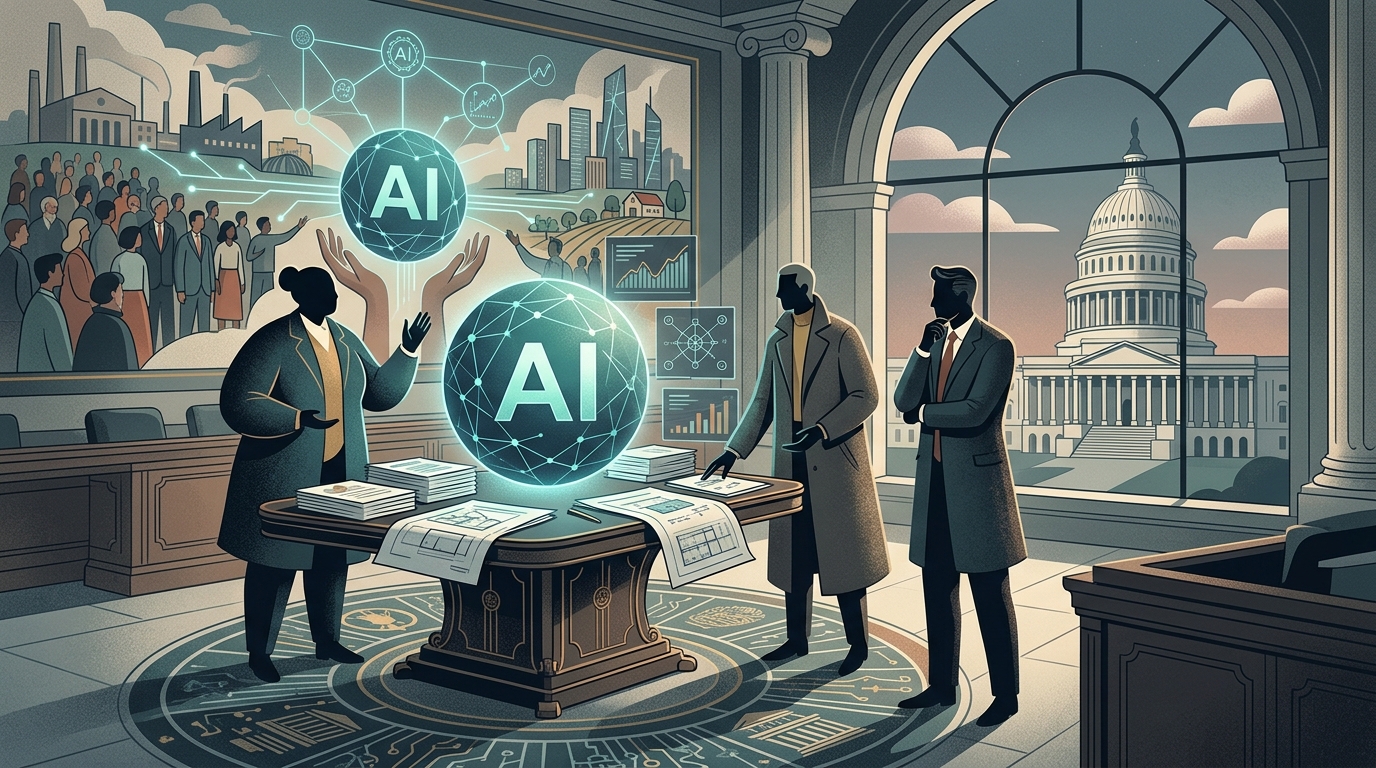
In a move that has sent ripples through both the corridors of power in Washington D.C. and the boardroom tables of Menlo Park, Sriram Krishnan, the primary liaison between the Trump administration and Silicon Valley on artificial intelligence, has announced his departure from the White House. This resignation, coming at a time of unprecedented global competition for AI dominance, raises profound questions about the future trajectory of American technological policy.
Krishnan, a general partner at the premier venture capital firm Andreessen Horowitz (a16z), occupied a role many deemed nearly impossible: aligning President Trump’s “America First” agenda with the disruptive ambitions of tech giants and emerging startups. His tenure was defined by an aggressive push toward deregulation, aimed at ensuring the United States maintains its lead over China in the AI arms race.
The Architect of Deregulation and Innovation
During his time at the White House, Krishnan was the chief architect of a policy framework that prioritized rapid innovation over precautionary regulation. Departing from previous administration approaches that focused heavily on safety and ethical guardrails, Krishnan argued that the existential risk to U.S. national security was not AI itself, but rather the prospect of falling behind Beijing in the technological theater.
- Accelerating the integration of AI within defense spending and military operational frameworks.
- Streamlining the bureaucratic process for training and deploying Large Language Models (LLMs).
- Strengthening incentives for domestic semiconductor manufacturing in coordination with the Department of Commerce.
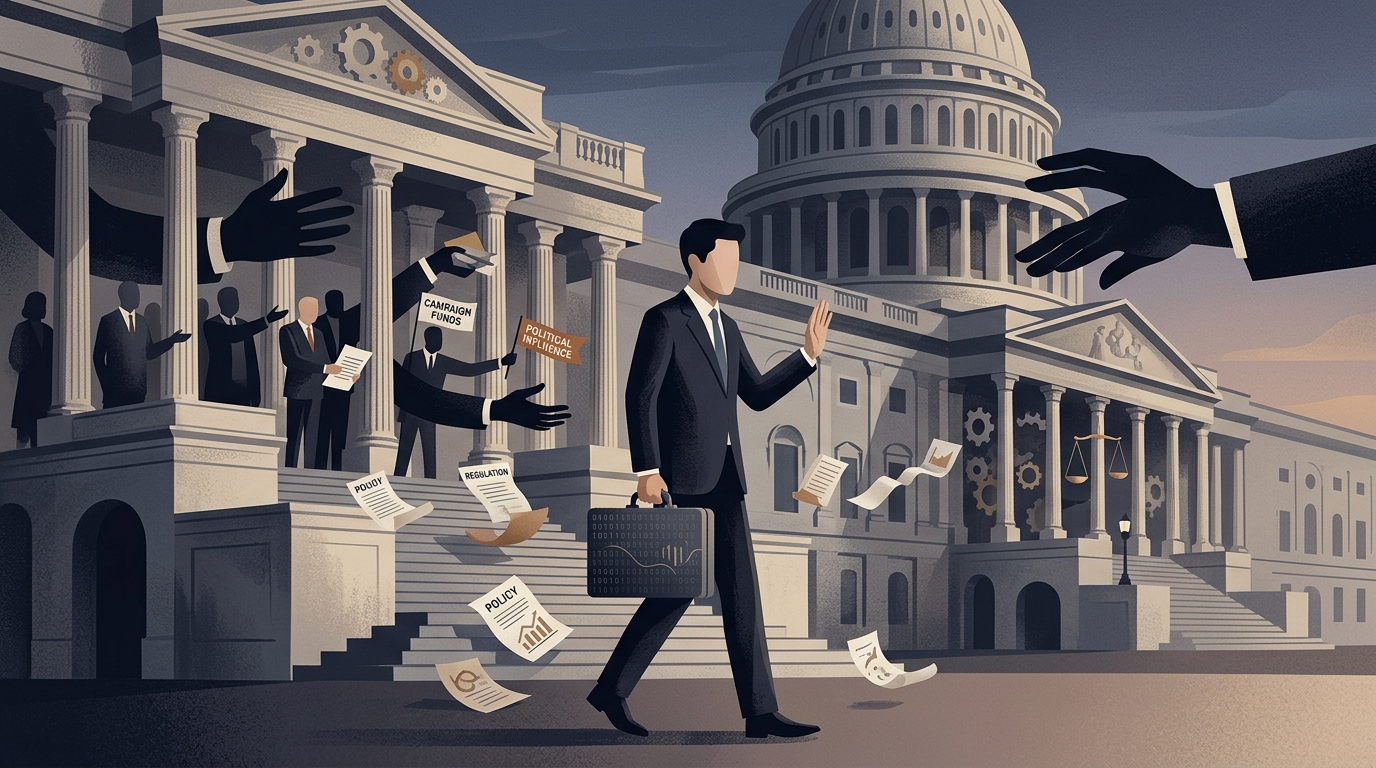
His presence in the White House served as a stabilizing force for Silicon Valley investors, who saw him as an ally who understood the breakneck speed of the industry. However, this proximity to venture capital interests was not without its detractors, who frequently raised concerns regarding potential conflicts of interest and the influence of private equity on public policy.
Internal Friction and the Vacuum of Leadership
While the official narrative suggests Krishnan has simply “completed his mission,” sources within the administration hint at growing friction between Krishnan and the more protectionist, nationalist wings of the Republican Party. While Krishnan championed an open-innovation model to attract global talent, certain factions within the White House pushed for stricter export controls and tighter restrictions on tech transfers, even to traditional allies.
“Sriram’s departure leaves a void that will be exceptionally difficult to fill. He wasn’t just a technocrat; he was the translator between two worlds that often speak entirely different languages,” noted a senior executive from a major tech firm.
The search for a successor begins at a critical juncture. The next AI policy czar will have to navigate the delicate balance between fostering growth and addressing the rising public anxiety regarding data privacy and the displacement of the workforce due to automation. As the 2026 midterm elections loom, AI policy is shifting from a niche technical concern to a central pillar of the political platform.
Global Implications and the Transatlantic Divide
For international observers, particularly in the European Union, Krishnan’s exit may signal a shift in the tone of transatlantic AI discourse. Krishnan was a vocal critic of the EU’s AI Act, which he viewed as a restrictive measure that stifled entrepreneurial spirit. A successor with less direct ties to the VC ecosystem might—though it remains a long shot under the current administration—seek a more collaborative approach with Brussels on global safety standards.
Ultimately, Sriram Krishnan’s resignation is more than a routine personnel change. It serves as a signal that the “honeymoon phase” between the Trump administration and the Silicon Valley elite may be transitioning into a more complex, and perhaps more contentious, era where geopolitical imperatives and populist politics begin to outweigh the libertarian ideals of the tech industry.