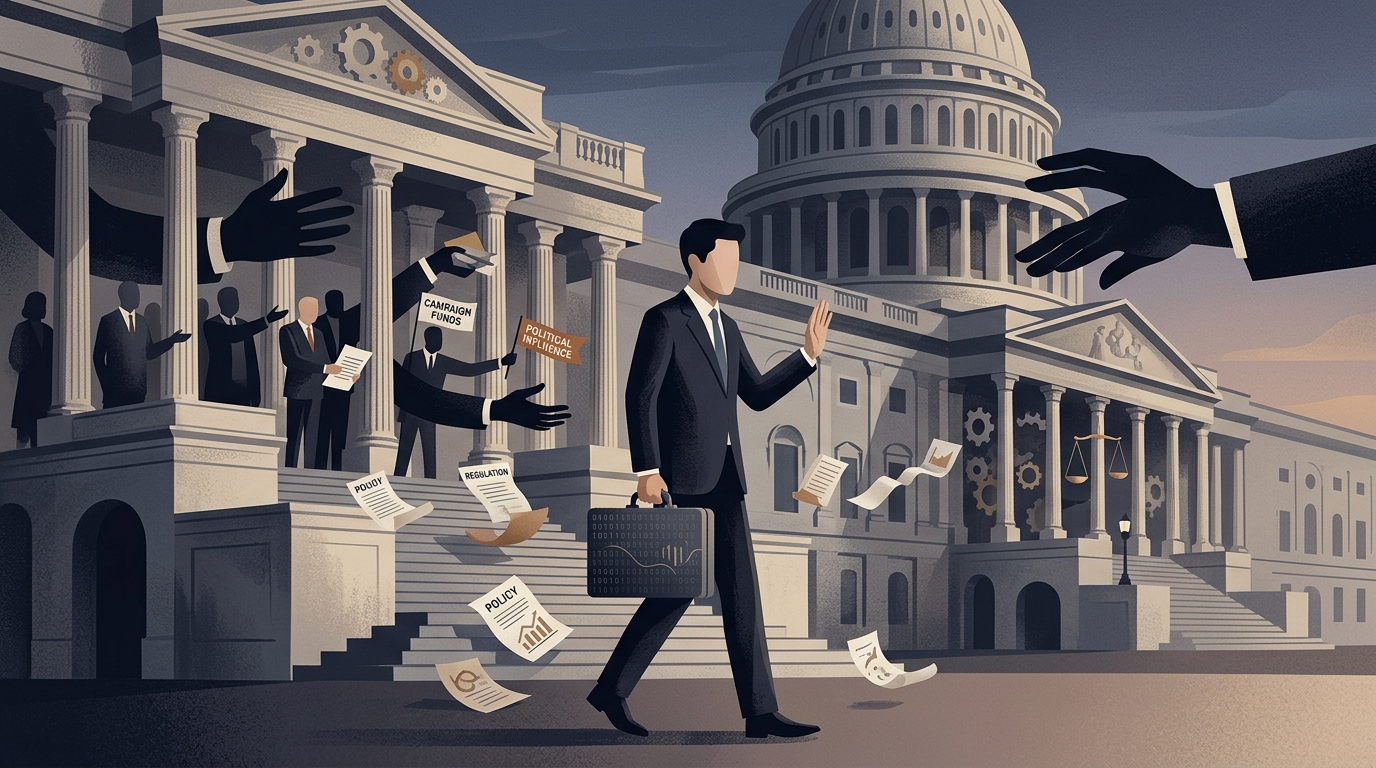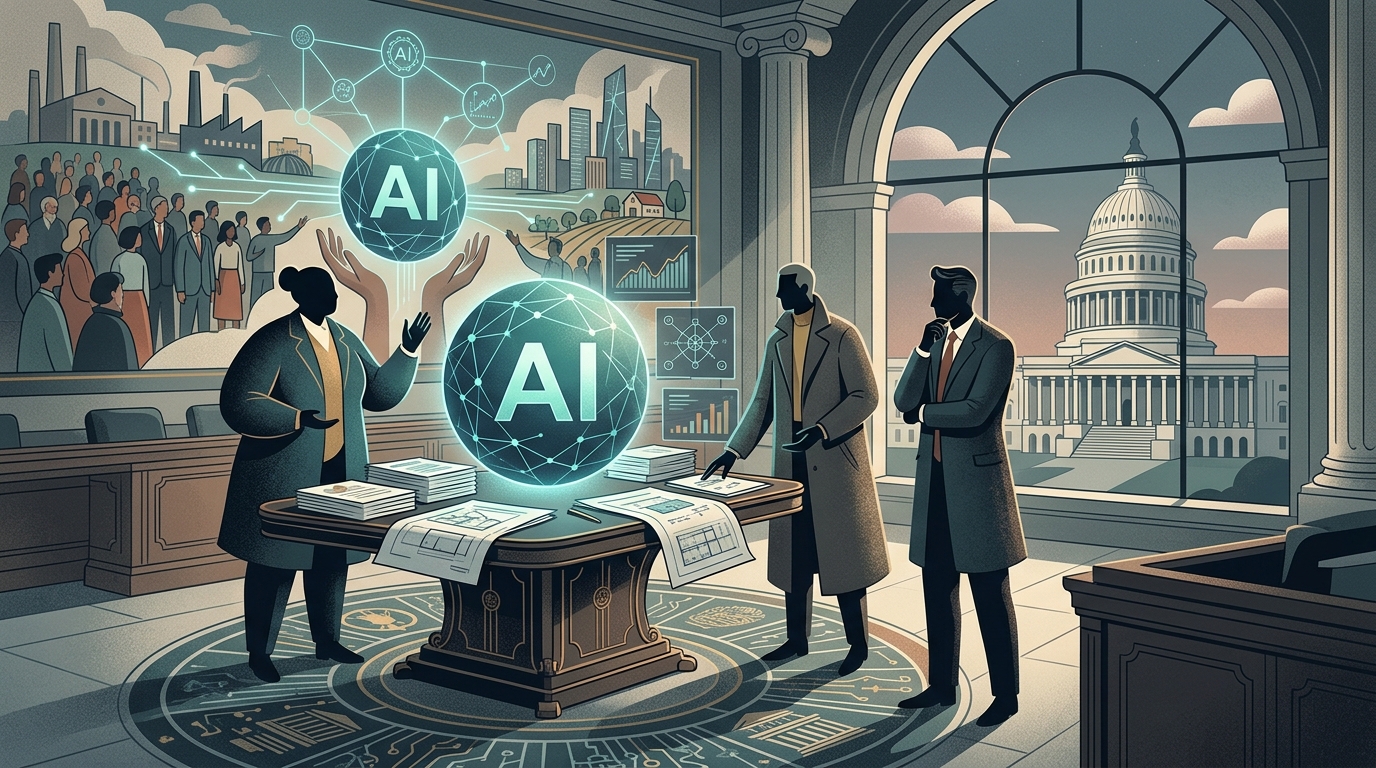
In the shifting geopolitical landscape of June 2026, we are witnessing a phenomenon that just a few years ago would have seemed like a political fever dream. Donald Trump, Bernie Sanders, and Sam Altman—three figures with diametrically opposed worldviews—appear to be converging on a radical idea: Artificial Intelligence (AI) is far too critical to be left exclusively in the hands of the private sector. The discussion regarding "public ownership" or "state participation" in AI infrastructure is no longer a fringe socialist theory; it is a strategic imperative reshaping the global economy.
The Collapse of Laissez-Faire in Tech
For decades, Silicon Valley operated under the dogma of minimal state intervention. However, the sheer scale of computing power required for next-generation models has outstripped the capabilities of even the world's wealthiest corporations. As the cost of data centers approaches hundreds of billions of dollars, the need for state funding has become urgent. OpenAI’s Sam Altman was among the first to sound the call for "Sovereign AI," arguing that nations must build their own compute infrastructure to ensure their autonomy.
This approach finds an unexpected resonance with Donald Trump, who views AI through the lens of nationalism and competition with China. For Trump, public investment in national "AI factories" is essential for maintaining American hegemony. This isn't state control in the traditional sense, but a form of "state-led capitalism" where the government guarantees energy and hardware, enabling American firms to dominate globally under a protective state umbrella.
Social Justice and the Sanders Model
On the other side of the spectrum, Bernie Sanders approaches the issue from the perspective of wealth redistribution. Sanders argues that since AI is trained on the collective data of humanity and benefits from public infrastructure, its fruits must belong to the public. His proposal for public ownership focuses on creating a "Sovereign Wealth Fund" that would hold stakes in major AI companies. Dividends from these holdings could fund a Universal Basic Income (UBI) or bolster healthcare systems, offsetting the job losses caused by automation.
"Technology created by the people must work for the people, not just for Wall Street shareholders," Sanders frequently asserts, highlighting the risk of a new "digital feudalism."
The Implementation Challenge: From Theory to Practice
Despite the rhetorical convergence, the details of implementation remain thorny. How can a state own a stake in an algorithm? Who controls the censorship or the ethical direction of a "state-backed" AI? The European Union is closely monitoring these developments, with France and Germany already considering the creation of European compute consortia that would function as public utilities, similar to the power grid.
2026 marks the end of the era where AI was considered mere software. It is now treated as the "new electricity" of the 21st century. Whether it is Trump’s national security focus or Sanders’ social equity drive, the core remains the same: private dominance in AI is reaching its limits. The next phase of the technological revolution will be written in finance ministries and national security councils, not just in Silicon Valley garages.
- The massive capital expenditure (Capex) required is driving AI firms toward government partnerships.
- Geopolitical rivalry with China renders AI a top-priority national resource.
- The threat of mass unemployment is pushing for public profit-sharing models in automation.
- The concept of "Sovereign AI" is becoming the new standard for national independence.