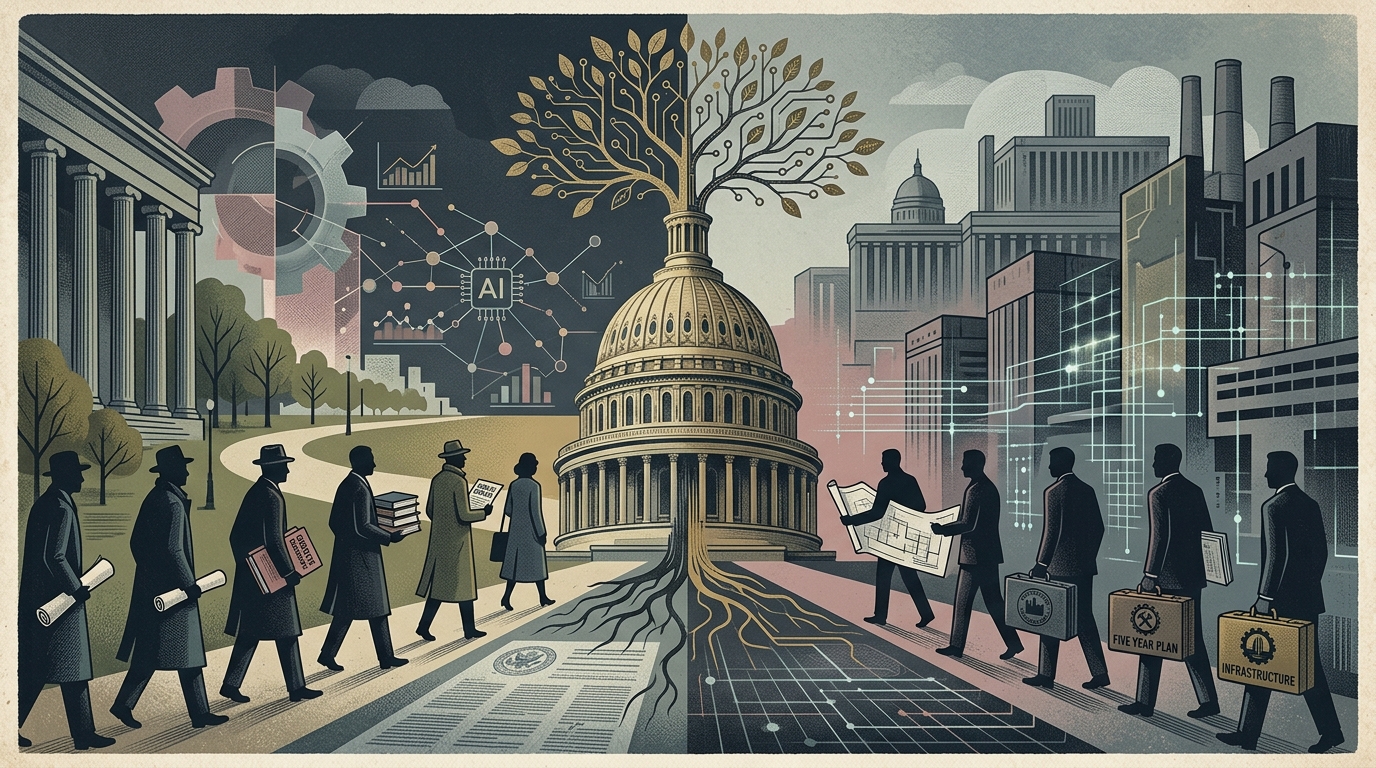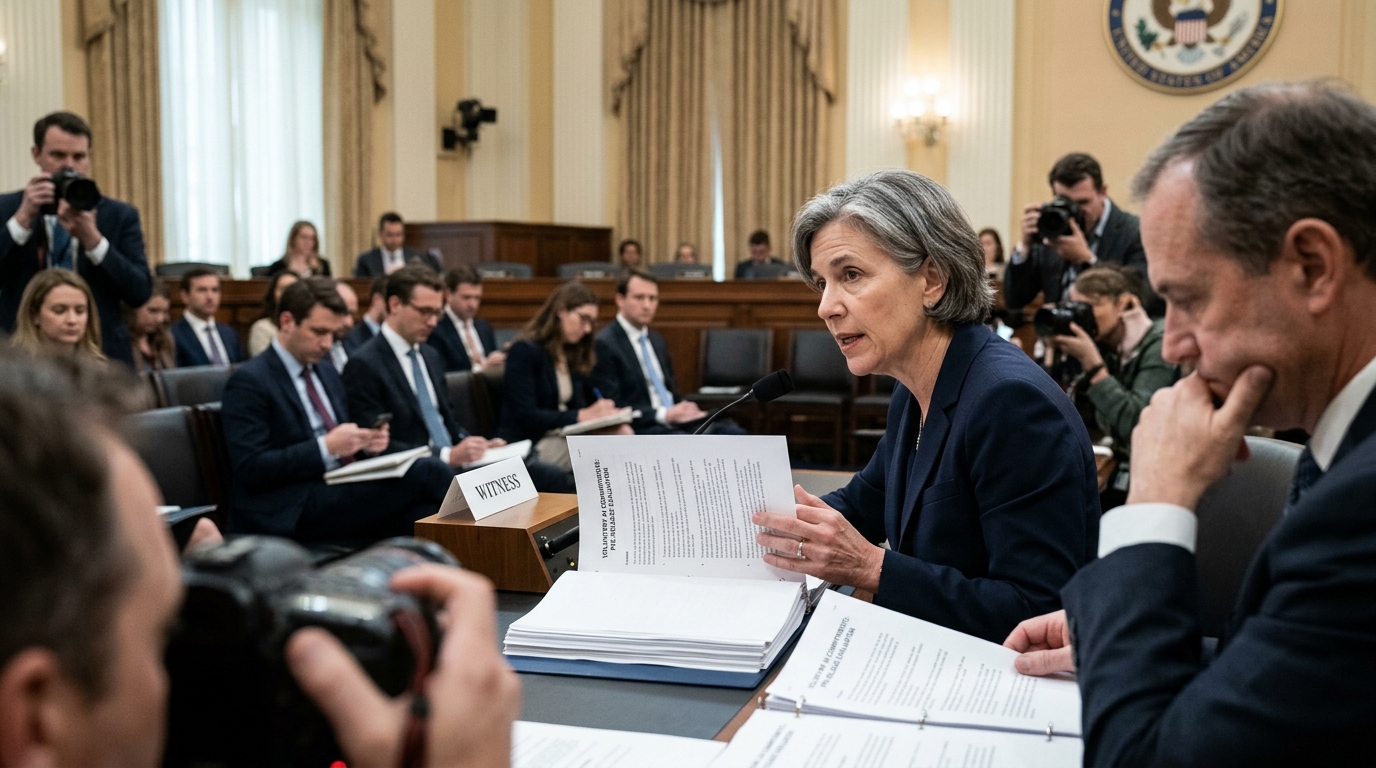
As we navigate the summer of 2026, the dynamic between Silicon Valley and Washington D.C. has entered a new, critical phase. The focus of the debate is no longer the existence of Artificial Intelligence itself, but the oversight of "frontier models" before they reach the public. The U.S. government, through the AI Safety Institute, is pushing a rigorous yet voluntary requirement: a 30-day "look" at models before their official release.
The Philosophy of Pre-Release Evaluation
The concept behind the 30-day window is simple in theory but complex in practice. Washington is asking labs like OpenAI, Google, and Anthropic to share their internal safety testing results—often referred to as red-teaming—at least a month before a model is made accessible via APIs or public interfaces. This period is not intended for a full government certification—similar to how the FDA handles pharmaceuticals—but rather for "informed observation."
White House officials argue that this timeframe is essential to assess risks related to national security, such as a model's potential to assist in designing biological weapons or executing sophisticated cyberattacks. However, the choice of a voluntary path over legislative mandates remains the most controversial aspect of the strategy.
Why Voluntary Compliance?
In the current political climate, passing comprehensive AI legislation through a divided Congress remains an uphill battle. Lawmakers are torn between the necessity of protection and the fear of stifling innovation, potentially allowing China to seize the lead. Consequently, the administration is betting on "soft power."
- Preserving Innovation: A voluntary approach allows for flexibility. If rules were etched in stone, they could become obsolete within months due to the blistering pace of technological advancement.
- Corporate Responsibility: Major AI labs know that a catastrophic incident would lead to immediate and harsh legislative crackdowns. Thus, cooperating with the state acts as a form of "reputational insurance."
- International Benchmarking: The U.S. aims to create a governance standard that allies can follow, avoiding the more cumbersome bureaucratic processes seen in the European Union's AI Act.
The Risks of Regulatory Capture
Many analysts warn that voluntary compliance carries the risk of "regulatory capture." When companies self-regulate and the state merely observes, the lines between public interest and corporate profit become blurred. Furthermore, there is a concern that 30 days is an insufficient amount of time to truly understand the emergent behaviors of a system with trillions of parameters.
"We cannot rely on the goodwill of corporate boards when global security is at stake. Voluntary commitment is a first step, but without teeth, it remains a polite request," say civil society advocates.
Washington, however, believes that through Executive Order 14110 and subsequent guidelines, it has laid the foundation for a relationship built on transparency. This gamble will be tested in practice: if a model with dangerous capabilities slips through the 30-day window undetected, the voluntary framework will likely collapse overnight.
Conclusion: A Fragile Balance
The 30-day strategy is Washington's attempt to "buy time" in a race that has no finish line. It is an admission that technology moves faster than bureaucracy. Whether this bet will pay off or prove to be a dangerous delay in enforcing real rules is the question that will define the next decade of our digital existence.