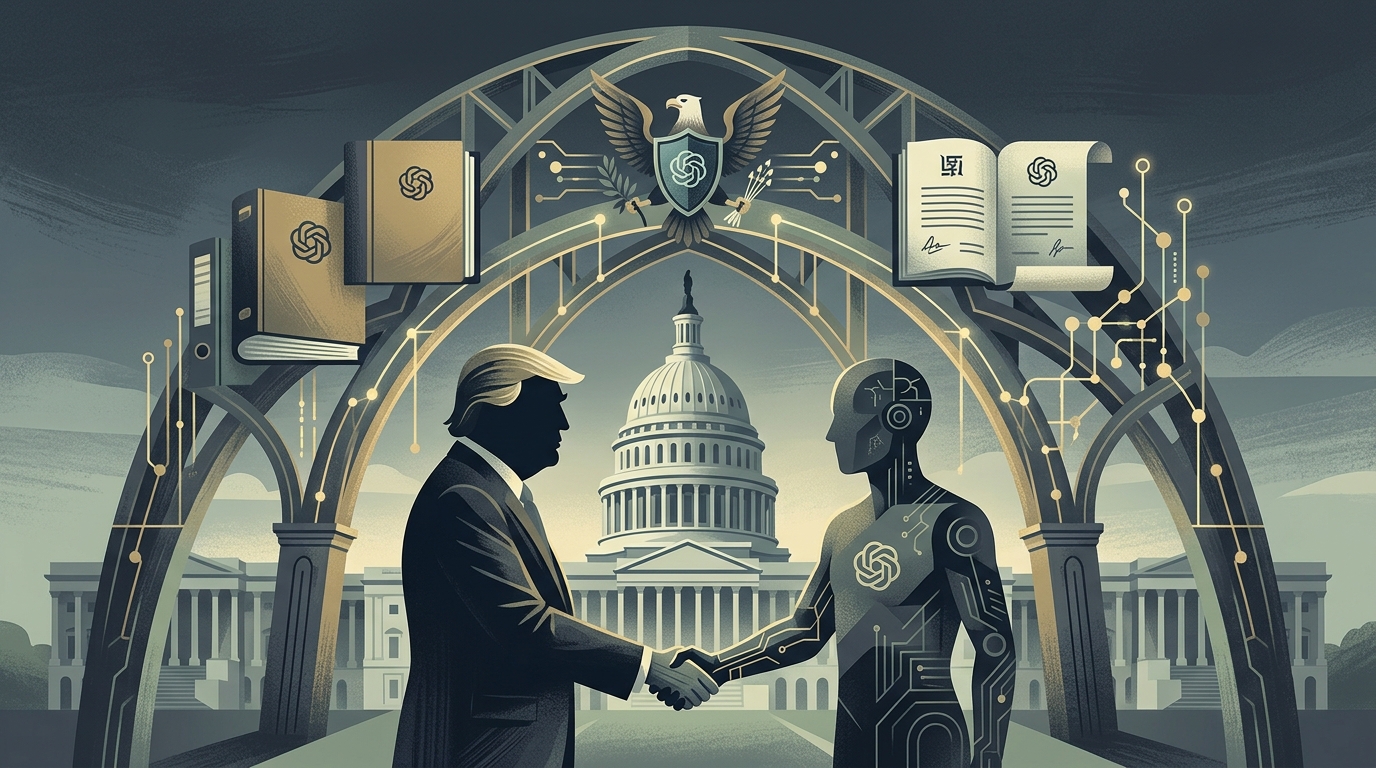
In a move that threatens to upend decades of economic orthodoxy in the United States, President Trump has announced that his administration is seriously considering taking equity stakes in leading artificial intelligence companies. The statement, delivered during a press conference and echoed through official White House channels, marks the dawn of a new era of "digital nationalism," where technological prowess is directly equated with national sovereignty.
According to the President, Silicon Valley industry leaders have already been invited to a pivotal meeting at the White House. The subject of discussion will not merely be regulation or subsidies, but direct state participation in the capital of companies deemed "strategically vital" to the nation's future. This proposal comes at a time when the global race for Artificial General Intelligence (AGI) has reached a boiling point, with China already implementing similar models of state guidance.
The Geopolitical Chessboard and the 'New Nuclear Age'
The logic behind this proposal is not purely economic; it is deeply geopolitical. In the Washington of 2026, AI is no longer viewed as just another consumer product, but as the "new nuclear energy." Whoever controls the most advanced algorithms and the largest clusters of computing power will control the global economy, defense, and the flow of information.
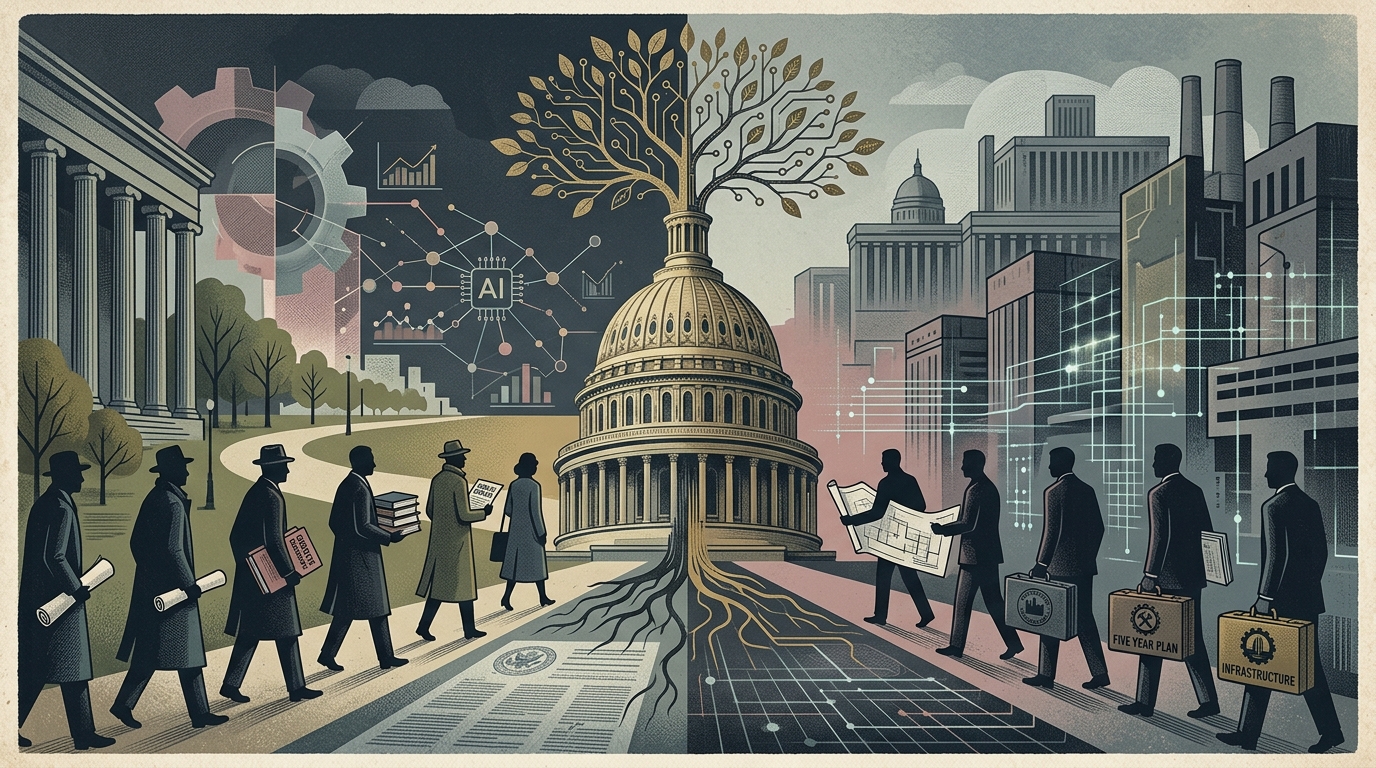
"We cannot leave the future of the free world solely in the hands of private corporations that may have their own agendas," sources close to the White House stated. The administration argues that government participation will ensure that AI development aligns with U.S. national interests, preventing the leakage of critical technology to rival powers. However, critics speak of a dangerous slide toward state capitalism, more reminiscent of Beijing than Washington.
Economic Implications and Market Reaction
The news caused immediate ripples in the markets. While some investors see government participation as a "guarantee" and a source of inexhaustible funding for the colossal infrastructure costs AI requires, others fear the suffocating grip of bureaucracy. AI development demands vast amounts of energy and semiconductors—areas where the government can provide facilities that no private company could secure alone.
- State Funding: Access to low-cost capital for building massive data centers.
- National Security: Tighter controls on technology exports.
- Regulatory Protection: Preferential treatment for companies in which the state holds a stake.
On the other hand, the question of innovation arises. Silicon Valley flourished precisely because it operated away from state intervention. The entry of the government into the boards of companies like OpenAI or Anthropic could slow decision-making and introduce political criteria into technical issues.
Ethical Dilemmas and Information Control
Perhaps the most controversial point of the proposal concerns the control of content and the ethics of AI models. If the government holds a stake in a company that controls the primary source of information for citizens, the risk of censorship or propaganda becomes real.
"Artificial intelligence is the ultimate tool of influence. If the state becomes a shareholder, then the line between public information and state direction blurs dangerously,"digital rights analysts note.
President Trump has repeatedly complained about "bias" in existing AI models. A government stake would give him the ability to enforce a different approach to algorithmic training, ensuring that "American values," as defined by the current administration, are embedded in the code.
Conclusion: Toward a New Social Contract for Technology?
The upcoming White House meeting will be decisive. If tech leaders accept the proposal, we will see the birth of a hybrid model where the public and private sectors merge in an unprecedented way. If they refuse, they may face aggressive regulations or even antitrust prosecutions used as leverage.
In any case, 2026 appears to be the year AI stopped being a "cool project" for engineers and became the state's most valuable asset. The battle for the control of intelligence has just begun, and the stakes could not be higher.