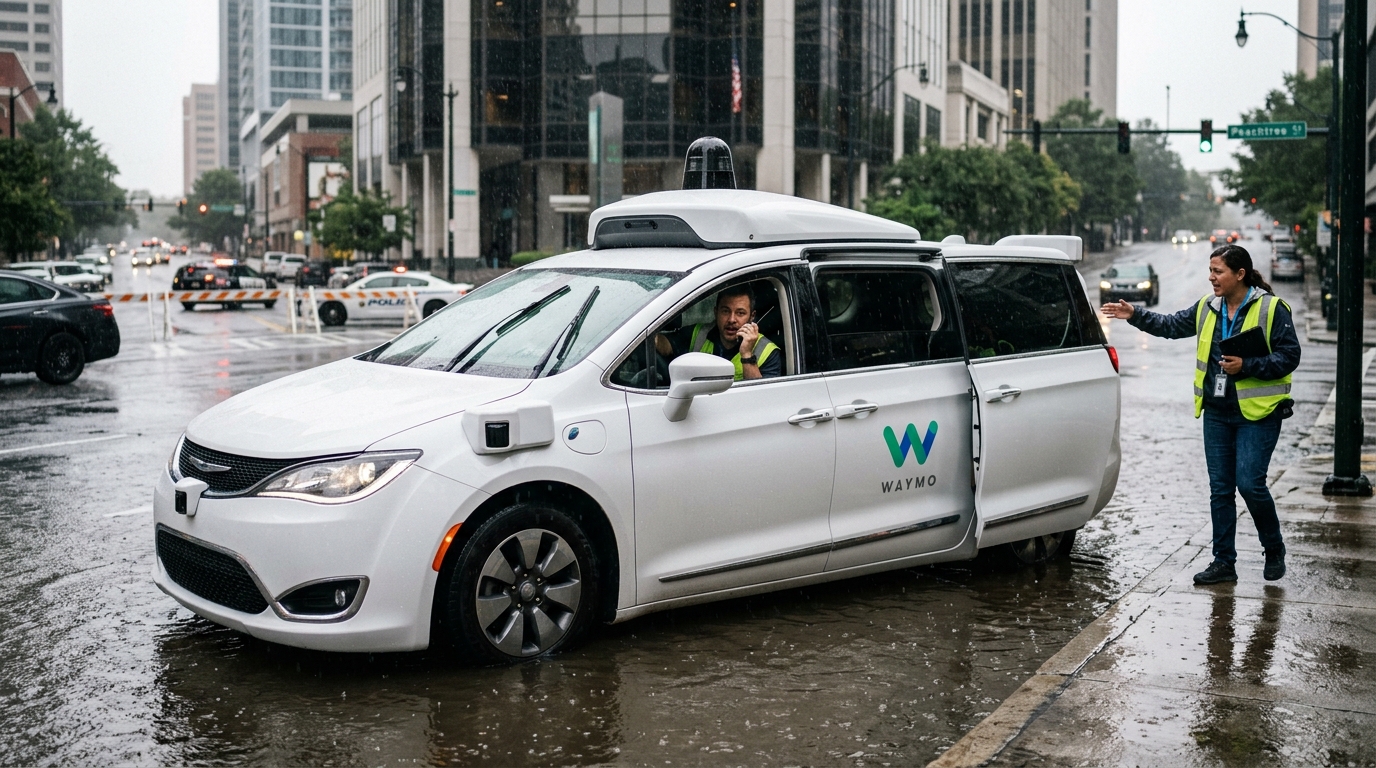
In a move that highlights the formidable obstacles still facing full vehicle autonomy, Waymo, the Alphabet-owned subsidiary, has announced a total suspension of its services in Atlanta, Georgia. The decision followed a series of incidents where the company’s autonomous vehicles failed to accurately gauge water depth on flooded roads, endangering both the sophisticated hardware and passenger safety. This setback comes at a pivotal moment as Waymo attempts to scale its operations into cities with more volatile weather patterns than the arid climates of Phoenix or the temperate streets of San Francisco.
The Technical Deadlock: When LiDAR Meets Water
The problem Waymo is grappling with is not merely a software glitch but a fundamental challenge involving the physics of sensors. Robotaxis rely on a suite of LiDAR (Light Detection and Ranging), radar, and cameras to perceive their surroundings. However, standing water acts as a mirror for LiDAR’s laser pulses, creating reflections that confuse the system. A deep, dangerous pothole filled with water might appear to the AI as a flat, solid surface—or conversely, a harmless puddle might be interpreted as an impassable void.
According to internal sources, vehicles in Atlanta exhibited signs of "indecision" or, in some cases, dangerous overconfidence during recent heavy downpours. The inability to distinguish between a minor splash and a vehicle-submerging flood led Waymo leadership to "pull the plug" until a reliable solution is engineered. This "perception gap" remains the holy grail of autonomous driving, and Atlanta has become the testing ground that exposed its current limitations.
The Shadow of Previous Recalls
The Atlanta suspension is not an isolated event. Just months ago, Waymo was forced to issue a software recall for more than 6,700 vehicles following incidents where cars collided with stationary objects or failed to navigate construction zones properly. The current crisis in Atlanta reinforces the narrative that while the technology is impressive, it remains "brittle" when faced with the chaotic variables of the real world.
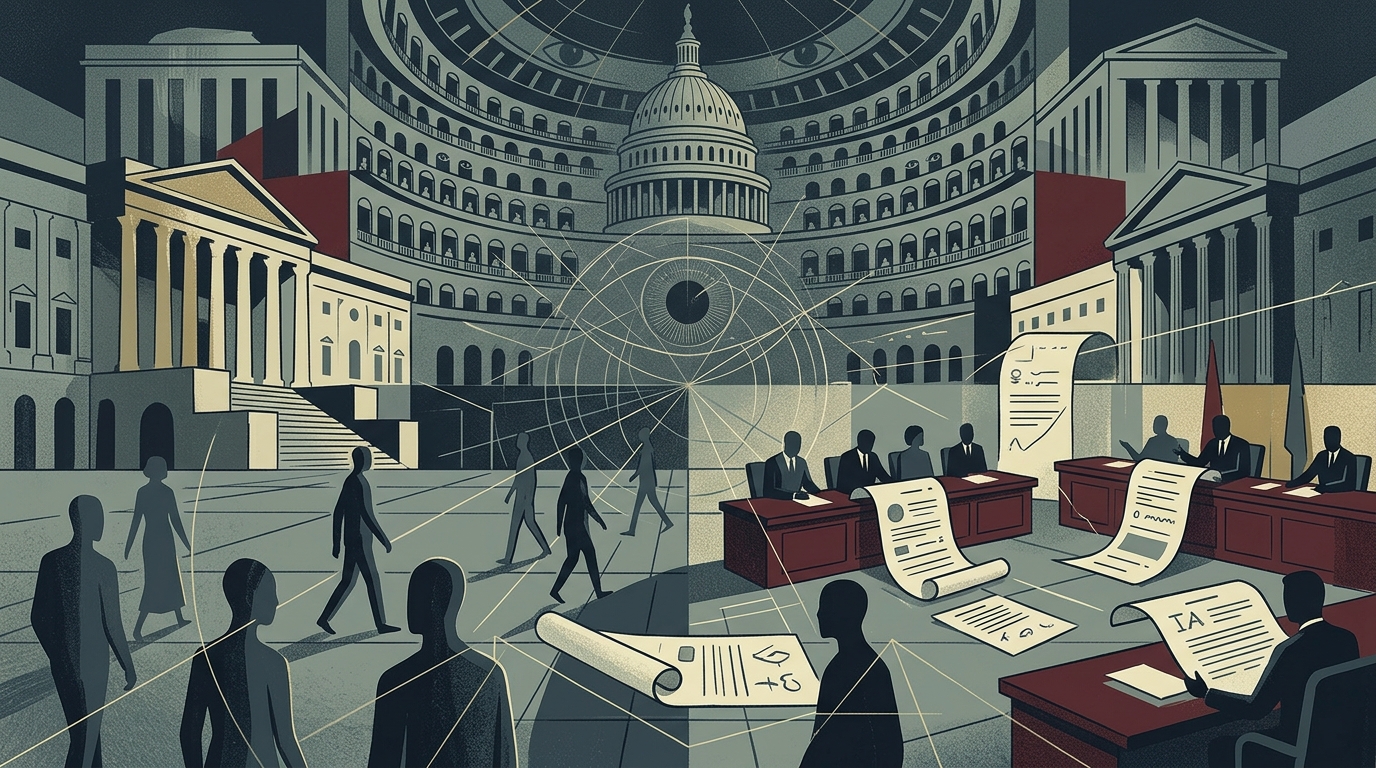
US regulators, specifically the NHTSA, are monitoring the situation closely. Pressure for stricter safety protocols is mounting as residents begin to question whether their public streets have been turned into laboratories without their explicit consent. While Waymo argues that the proactive suspension demonstrates a commitment to safety, critics see a technology that is not yet matured enough for the meteorological complexity of East Coast urban centers.
Climate Change and the Autonomous Future
A dimension often overlooked is the intersection of climate change and AI deployment. With extreme rainfall and flash floods becoming more frequent in cities like Atlanta, an AI’s ability to navigate adverse conditions is no longer a luxury—it is a prerequisite for viability. If robotaxis can only operate under ideal conditions, their economic model begins to crumble.
- The difficulty for AI to predict the dynamics of moving water.
- The potential need for new sensor modalities (ultrasonic or enhanced ground-penetrating radar).
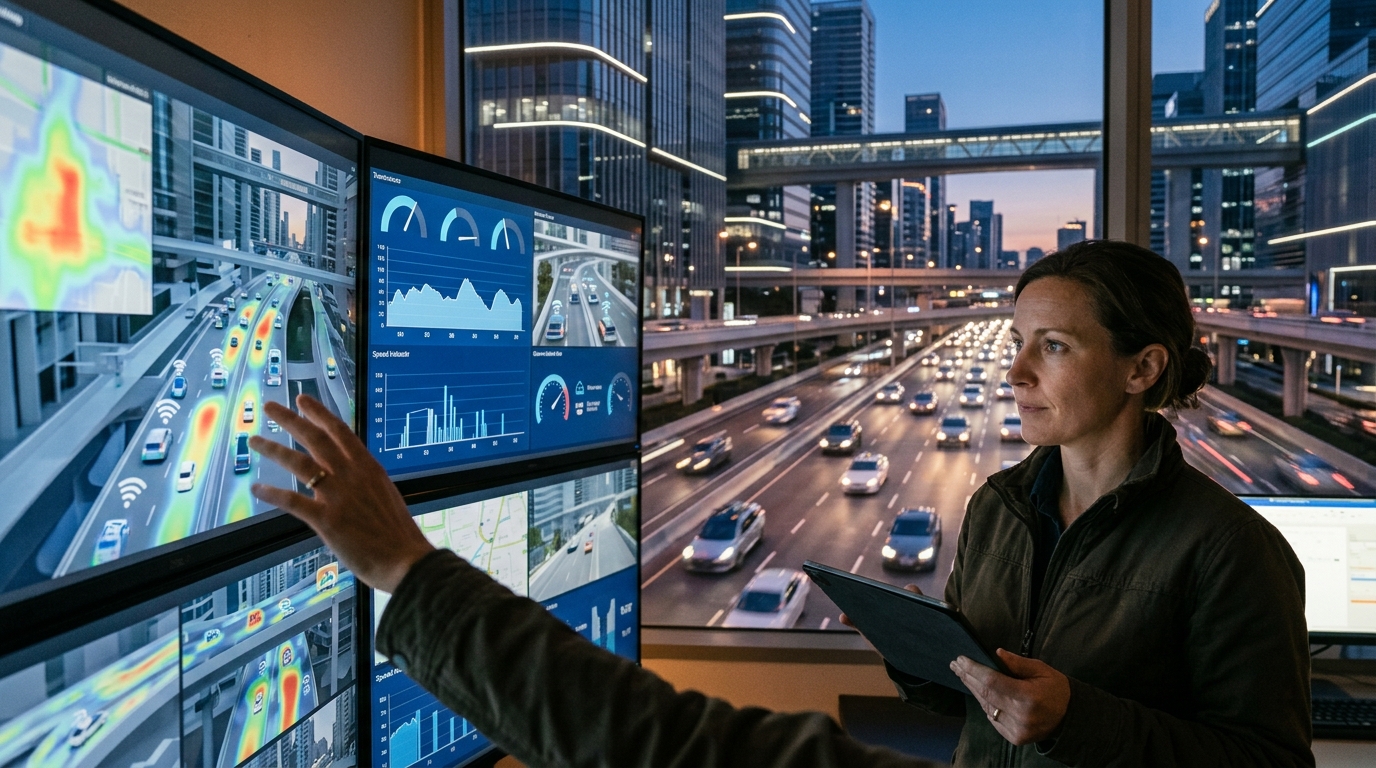
- The dependency on "smart city" infrastructure to provide real-time flood data to fleets.
In conclusion, the Atlanta incident serves as a humbling reminder for the AI industry. The transition from digital code to the physical world requires more than just raw processing power; it demands a nuanced understanding of physical unpredictability that, for now, remains a uniquely human trait. Waymo's retreat from the rain is a clear signal that the road to Level 5 autonomy is longer and wetter than previously anticipated.