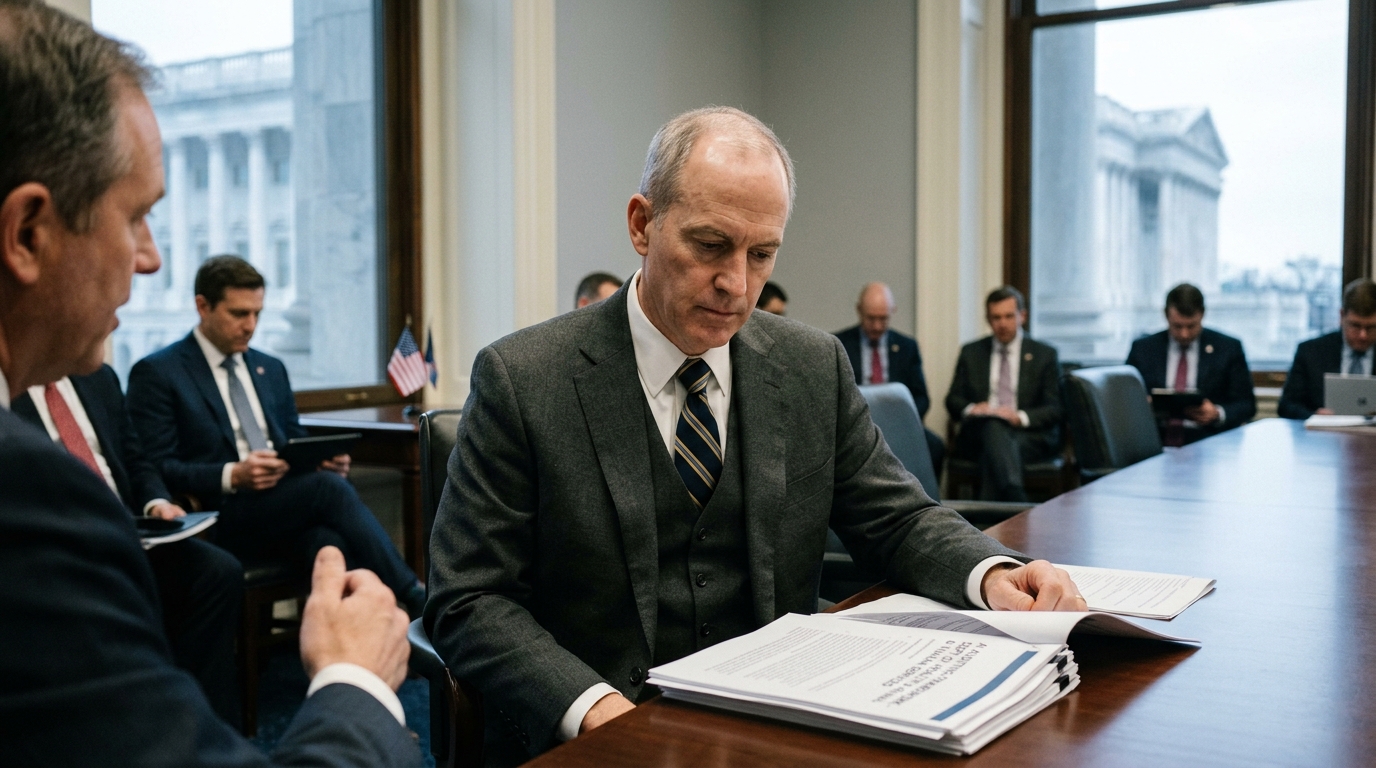
In a move signaling the most significant digital overhaul of federal oversight mechanisms in decades, the Trump administration has announced an aggressive expansion of Artificial Intelligence (AI) tools to combat healthcare fraud. The initiative, primarily targeting Medicare and Medicaid programs, promises to save taxpayers billions of dollars while simultaneously triggering intense debate over algorithmic transparency and the risk of unfair exclusions for patients and providers alike.
Digital Policing of Public Funds
Healthcare fraud has been an "open wound" for the American budget for years. According to Department of Justice estimates, the cost of illegal billing and phantom medical procedures exceeds $100 billion annually. Until now, identifying these cases relied on manual audits, random sampling, and whistleblower reports. The new approach fundamentally shifts the landscape: AI will scan millions of transactions in real-time, detecting patterns that the human eye simply cannot perceive.
These new systems go beyond simple duplicate detection. They utilize predictive analytics to forecast which clinics or providers have a high probability of engaging in fraudulent activities before a payment is even finalized. "We are no longer chasing crime after it happens; we are preventing it," a senior White House official stated, emphasizing that this technology represents the ultimate weapon for fiscal discipline and government efficiency.
The 'Black Box' and Human Consequences
Despite promises of efficiency, the use of AI in social welfare carries risks that civil liberties advocates describe as "nightmarish." The core issue lies in the nature of "black box" algorithms, where decisions to deny a payment or flag a doctor as "suspicious" are made without a clear, human-readable explanation. This creates an accountability vacuum: how can a patient or a healthcare professional challenge a decision they do not understand?
- False Positives: The risk of flagging legitimate treatments as fraud, leading to life-threatening care interruptions for vulnerable citizens.
- Algorithmic Bias: Concerns persist that AI models may disproportionately target providers in underserved areas where medical practices deviate from the statistical mean.
- Data Privacy: The mass processing of sensitive medical data by private tech firms partnering with the state raises critical questions about information security and the commodification of patient history.
History has shown that when automated checks fail, the most vulnerable pay the price. In the case of Medicare, a single algorithmic error could mean the denial of life-saving treatment for a senior citizen until a bureaucratic appeal process—which can take months—is completed.
Clash with the Medical Community
Medical associations are already expressing alarm over what they term "algorithmic terrorism." While they support the crackdown on fraud, they argue that the government is unfairly shifting the burden of proof onto physicians. "A doctor should be focusing on their patient, not on whether the Trump administration's algorithm will interpret a diagnostic test order as an attempted theft," a provider advocacy group stated in a recent release.
Conversely, the administration maintains that AI will actually reduce red tape for honest professionals, as automated checks will allow for faster clearing of legitimate claims. This conflict is expected to migrate to the courtrooms, as the first legal challenges against the use of these tools are already being prepared, testing the limits of executive power in the digital age.
Conclusion: The New Architecture of the State
The Trump administration's expansion of AI in healthcare is not merely a technical matter; it is a political statement about the future of governance. The state is evolving into a data-driven "panopticon" to enforce order. If the experiment succeeds, it could serve as a blueprint for every other government function, from tax collection to national security. However, if it fails, it risks undermining public trust in institutions, turning social welfare into a field of cold, algorithmic liquidation.