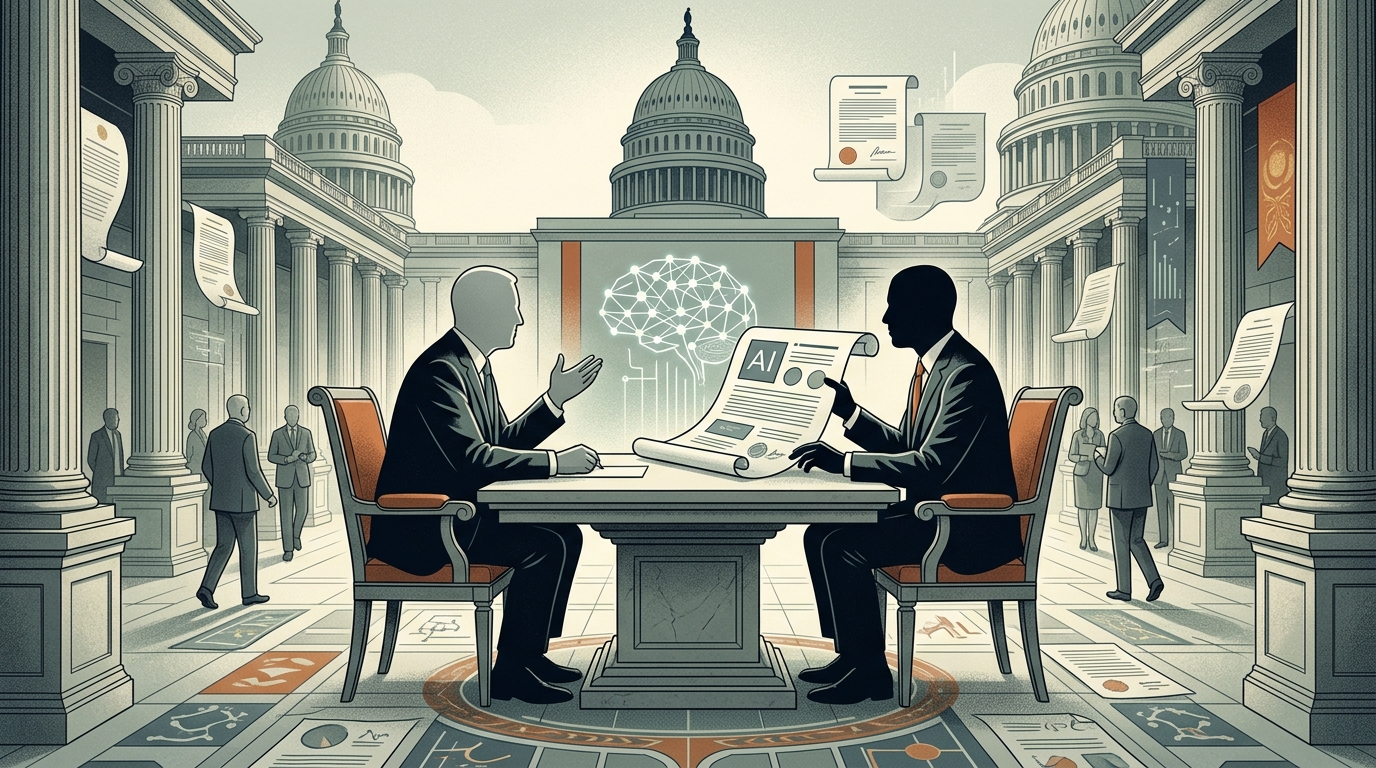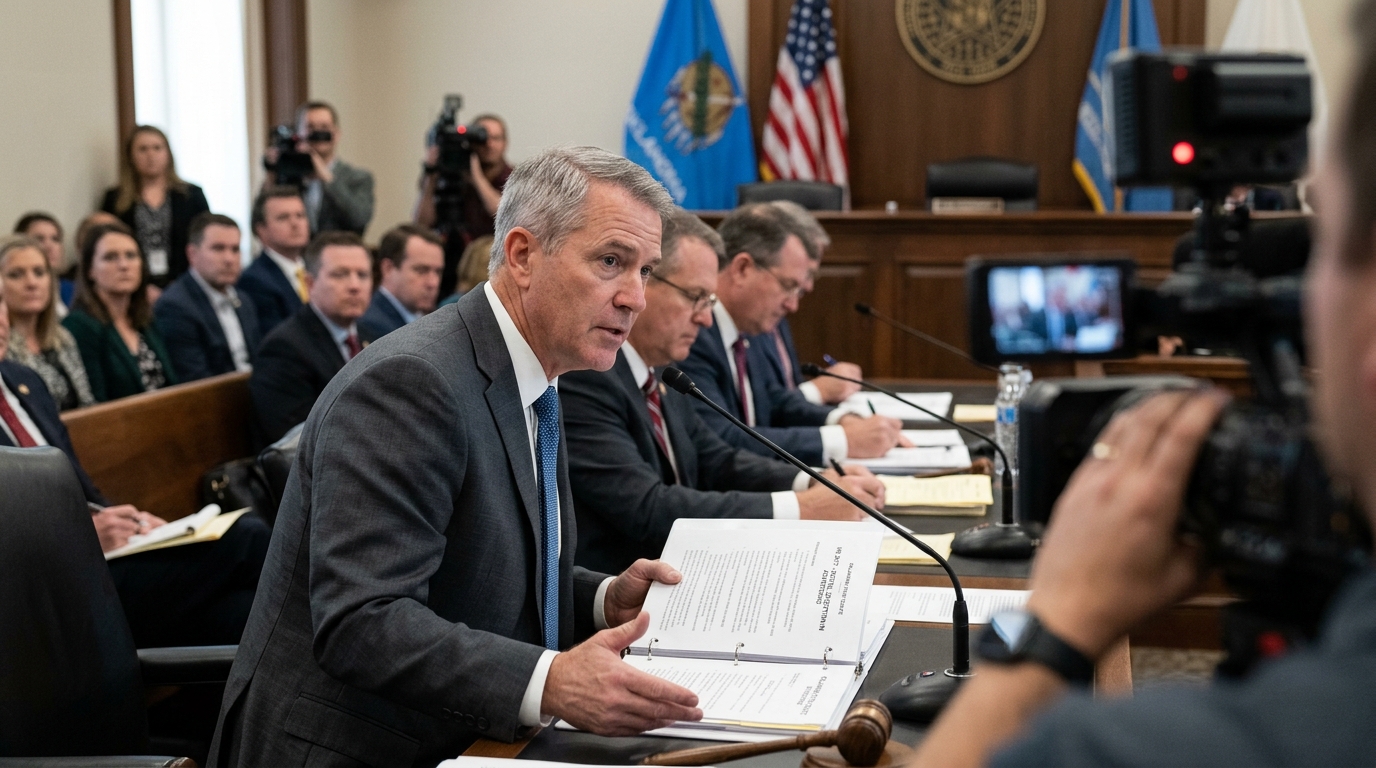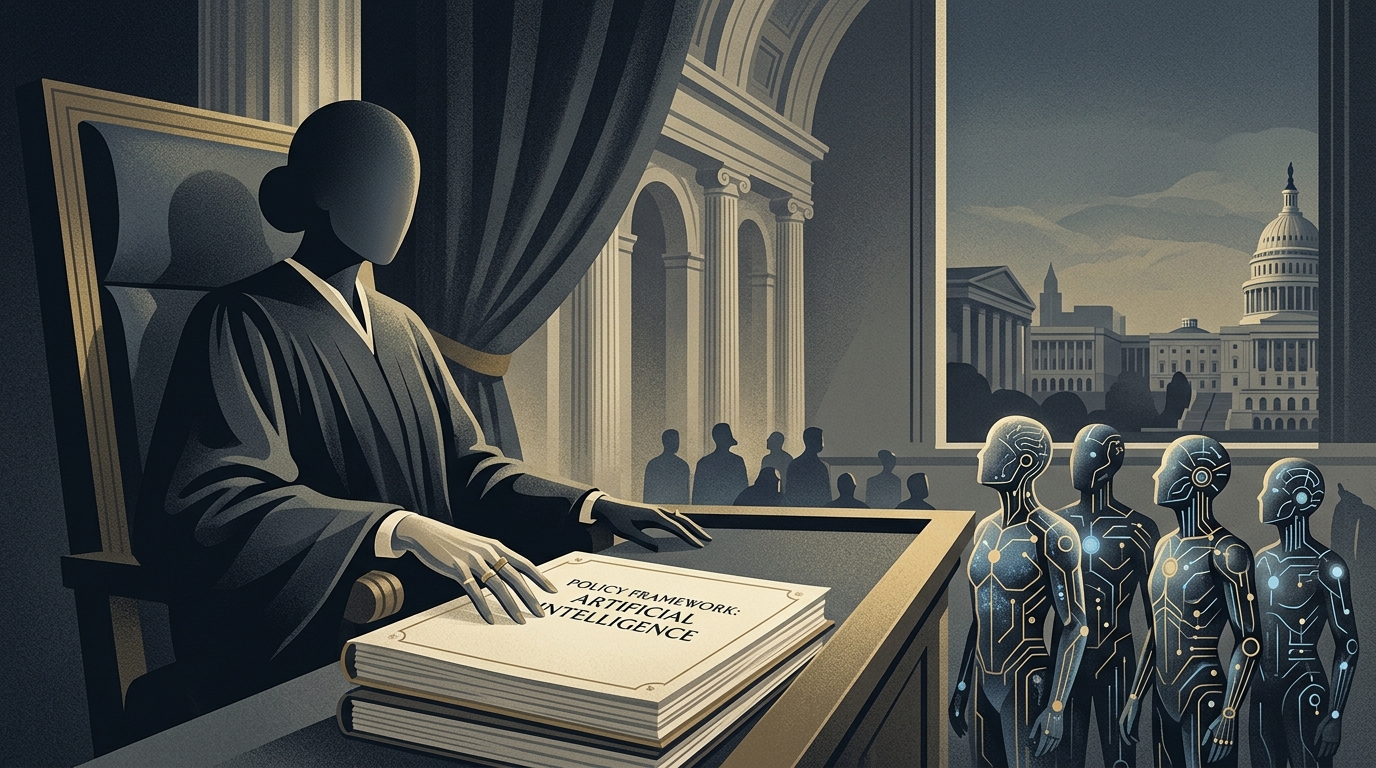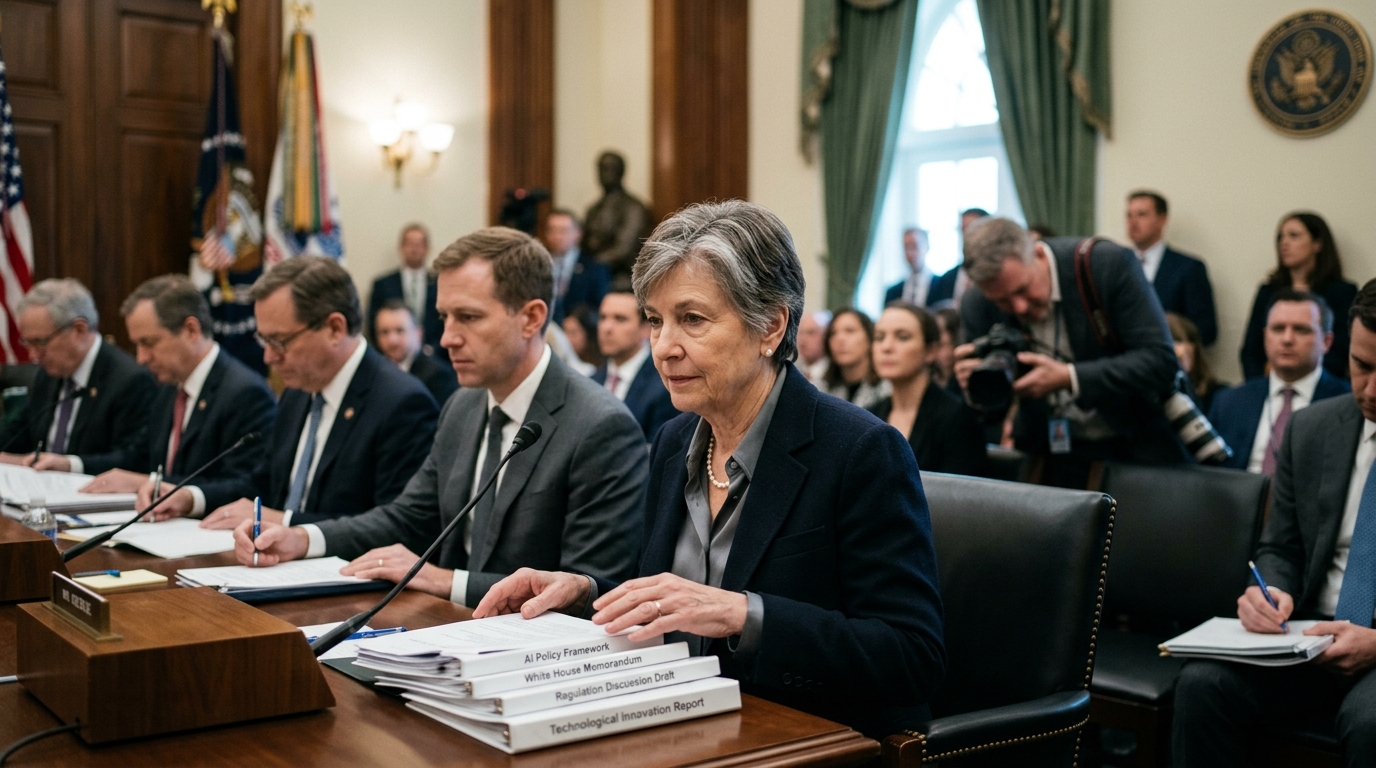
Washington is once again at the heart of a fierce debate concerning the future of United States technological supremacy. The recent decision by the White House to postpone the signing of a critical executive order on Artificial Intelligence (AI) is not merely a bureaucratic delay; it is a clear indication of the internal struggle between the necessity for safety and the fear of losing a competitive edge to China.
The Collision of Innovation and Regulation
According to sources close to the administration, the delay stemmed from concerns that proposed restrictions could create "insurmountable obstacles" for startups and Silicon Valley tech giants. While the initial framework aimed to enhance algorithmic transparency and protect personal data, critics within the government argued that stringent compliance requirements would slow the development of new Large Language Models (LLMs).
This debate is not new, but it gains renewed momentum in 2026. With AI having permeated every facet of the economy, from healthcare to national defense, the stakes are higher than ever. Proponents of "permissionless innovation" argue that any premature regulation would act as a drag, allowing authoritarian regimes to set the global rules of the game.
The China Factor and Geopolitical Stakes
One cannot analyze US AI policy without looking East. Beijing continues to invest billions in supercomputing infrastructure and quantum technology, often with fewer ethical constraints than the West. Within the US National Security Council, the prevailing view is that America must "run faster" rather than trying to "corral" the technology.
- The necessity of maintaining primacy in semiconductors and computational power.
- The risk of "brain drain" to jurisdictions with more relaxed regulatory frameworks.
- Pressure from tech lobbies calling for "smart regulation" instead of "blanket restrictions."
This geopolitical chessboard is forcing the White House to re-evaluate every word of the order. The concern over "creating obstacles" reflects the fear that the US could suffer from what many call the "European Syndrome": becoming the world's leading regulator while having lost the race of creation.
Internal Political Pressures and the Path Forward
Beyond international competition, internal political factors are at play. With the 2026 midterms approaching, the administration is being pulled in two opposite directions. On one hand, civil rights organizations demand strict rules to prevent AI-driven discrimination. On the other, economic advisors warn that slowing down the tech sector could hurt the stock market and employment figures.
"We cannot allow bureaucracy to become the killer of American ingenuity," a senior Department of Commerce official stated. "Regulation must follow innovation, not preempt it in a way that stifles it."
In conclusion, this delay represents a moment of introspection for American leadership. The unanswered question remains whether it is possible to create a framework that guarantees safety without sacrificing speed. For now, the White House is opting for caution, recognizing that in the age of AI, the cost of a regulatory misstep could be the loss of the future itself.