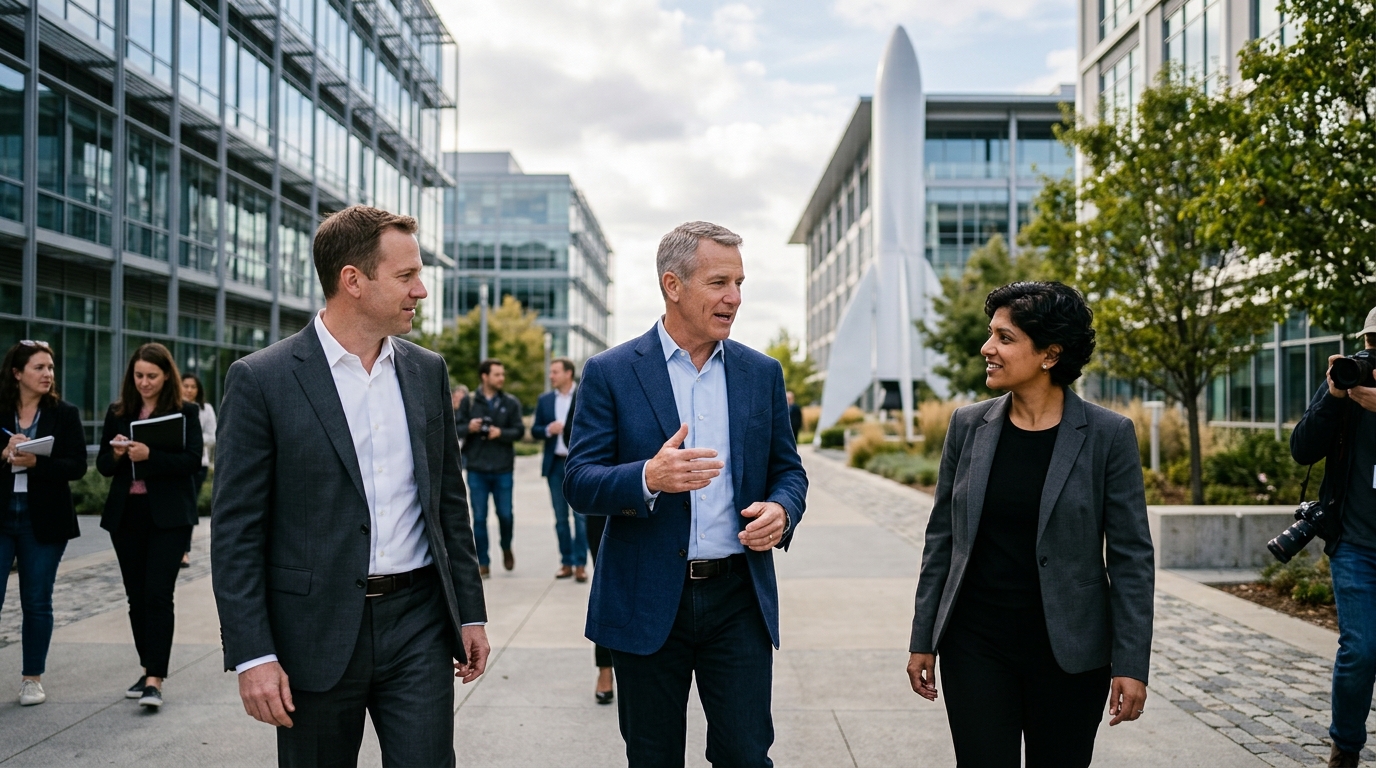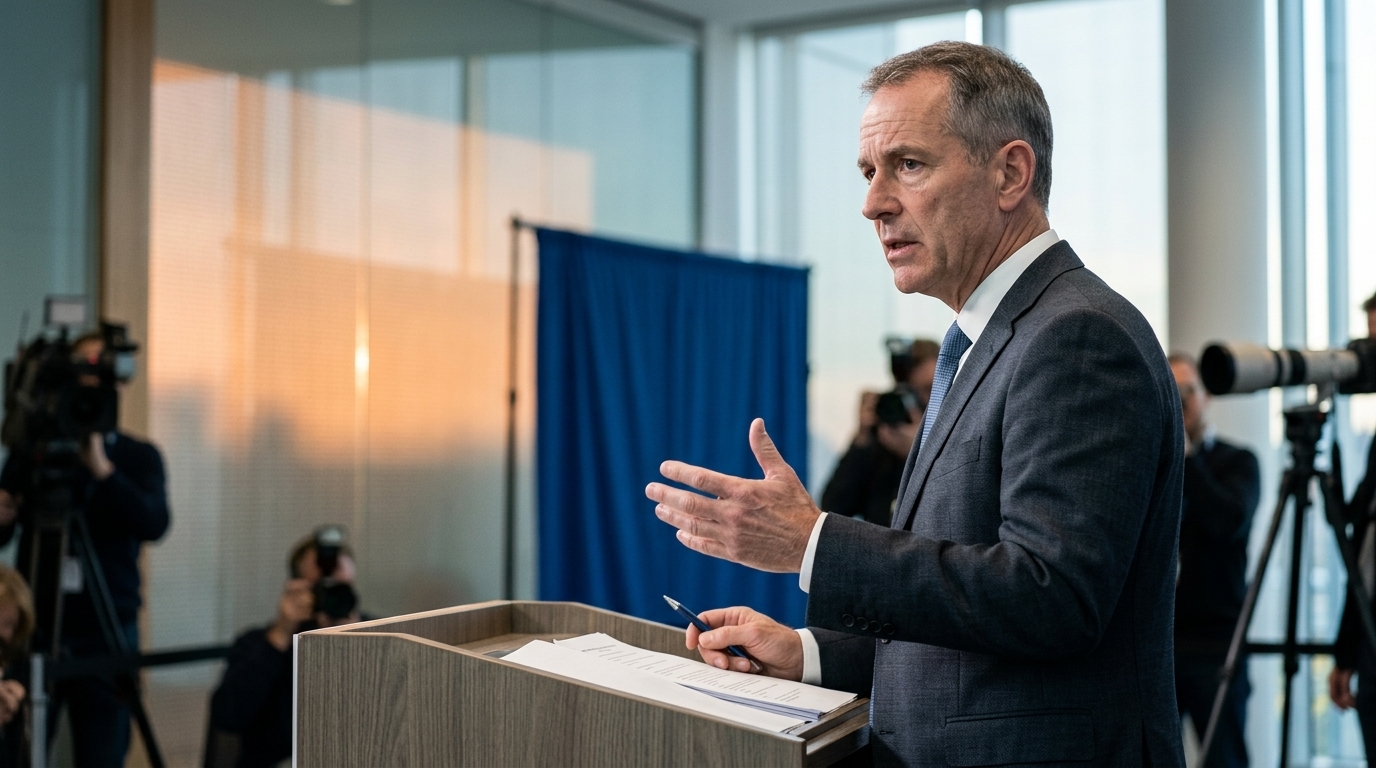
In the corridors of power in Washington and the glass-walled boardrooms of Silicon Valley, the name Chris Lehane evokes either awe or trepidation. Known as the 'Master of Disaster' since his days shielding the Clinton administration from 1990s scandals, Lehane is now the man holding the reins of OpenAI’s global affairs. His mission is clear yet dauntingly complex: to reshape the image of a company that transitioned from a 'beacon for humanity' to something resembling an aggressive corporate titan hungry for power and capital.
The Shift from Ethics to Political Pragmatism
For years, OpenAI communicated with the public through the language of 'existential risk' and 'safety.' Sam Altman toured the globe warning of the dangers of Artificial General Intelligence (AGI), a strategy that initially served as prestige marketing but ultimately backfired. Regulators in Europe and the US began taking these warnings literally, threatening to stifle innovation with heavy-handed legislation. This is precisely where Lehane steps in.
Lehane’s strategy marks a radical pivot. Instead of philosophical debates about the end of the world, OpenAI now talks about 'infrastructure' and 'national security.' The goal is to convince governments that AI is not a hazard to be contained, but an economic necessity—a new form of electricity—that if not led by the US and its allies, will fall into the hands of China. This 'geopoliticalization' of AI is Lehane’s signature move, transforming a technical discussion into a matter of patriotic duty and economic survival.
The Regulatory Chessboard and the Airbnb Model
Lehane is no stranger to regulatory combat. At Airbnb, he perfected the 'grassroots organizing' tactic, mobilizing hosts to pressure local politicians. At OpenAI, the approach is similar but on a macroeconomic scale. The company is working to dilute bills like California’s SB 1047, which would have imposed strict legal liability on AI model creators for catastrophic events.
"Technology moves at the speed of light, while legislation moves at the speed of bureaucracy. Our role is to bridge that gap without sacrificing progress," seems to be the unofficial motto of the new communications team.
OpenAI is no longer just asking to be left alone. It is asking the state to invest billions in data centers and energy grids. Lehane knows that if OpenAI becomes 'too big to fail' and inextricably linked to national infrastructure, harsh regulation becomes politically impossible. It is a checkmate move that shifts the battlefield from ethics labs to the offices of Treasury Departments.
Internal Friction and the Loss of 'Soul'
However, Lehane’s rise coincides with a mass exodus of founding members and top safety researchers. The departure of Ilya Sutskever and Jan Leike left a void that PR executives cannot fill. The criticism leveled against the company is that 'safety' has become a mere footnote in investor decks, while the 'move fast and break things' culture has returned with a vengeance.
Lehane must also manage the internal narrative. He needs to convince the remaining engineers that commercialization and political influence are the necessary tools to achieve AGI. But for many observers, OpenAI has already mutated. From a non-profit organization meant to save the world, it is becoming a classic American multinational using lobbying as its most potent weapon. The 'Master of Disaster' may indeed save OpenAI’s reputation in political circles, but the price might be the loss of its original mission.