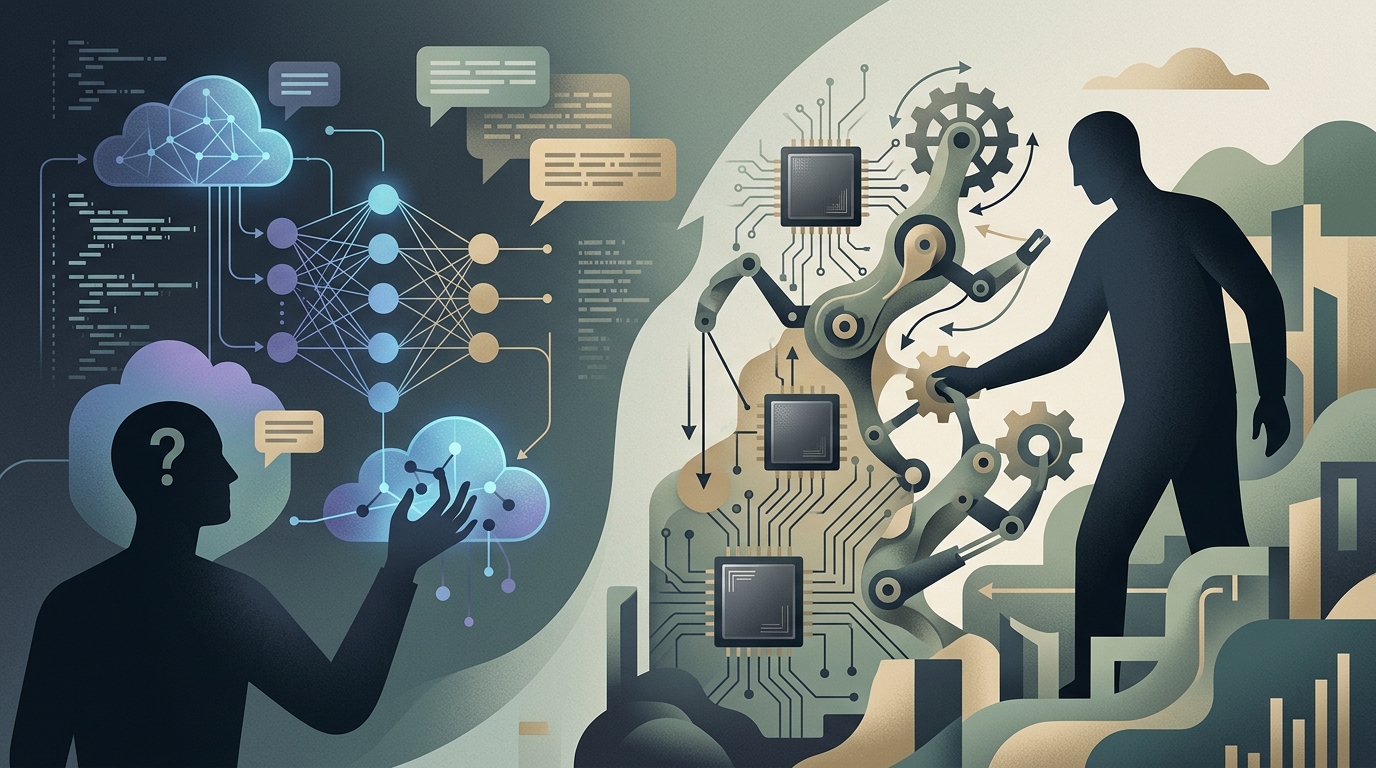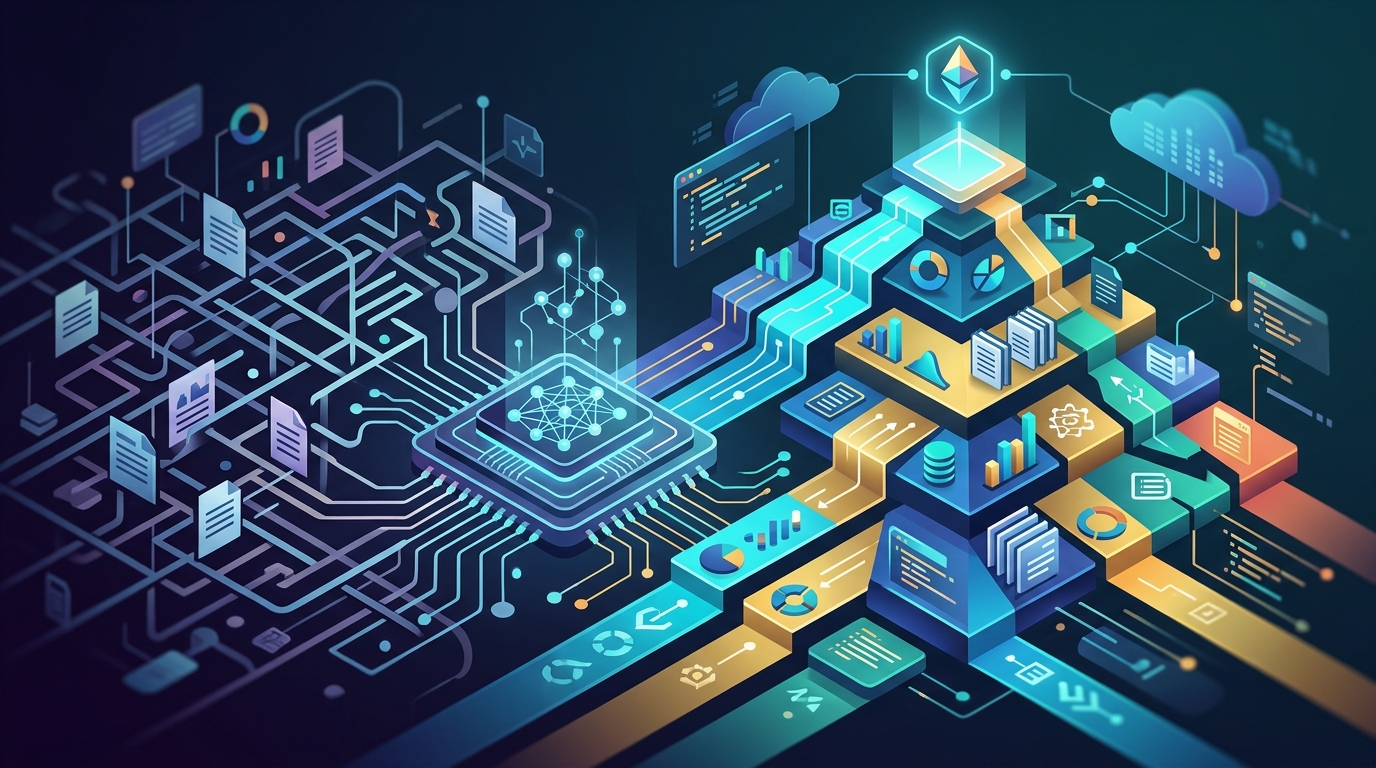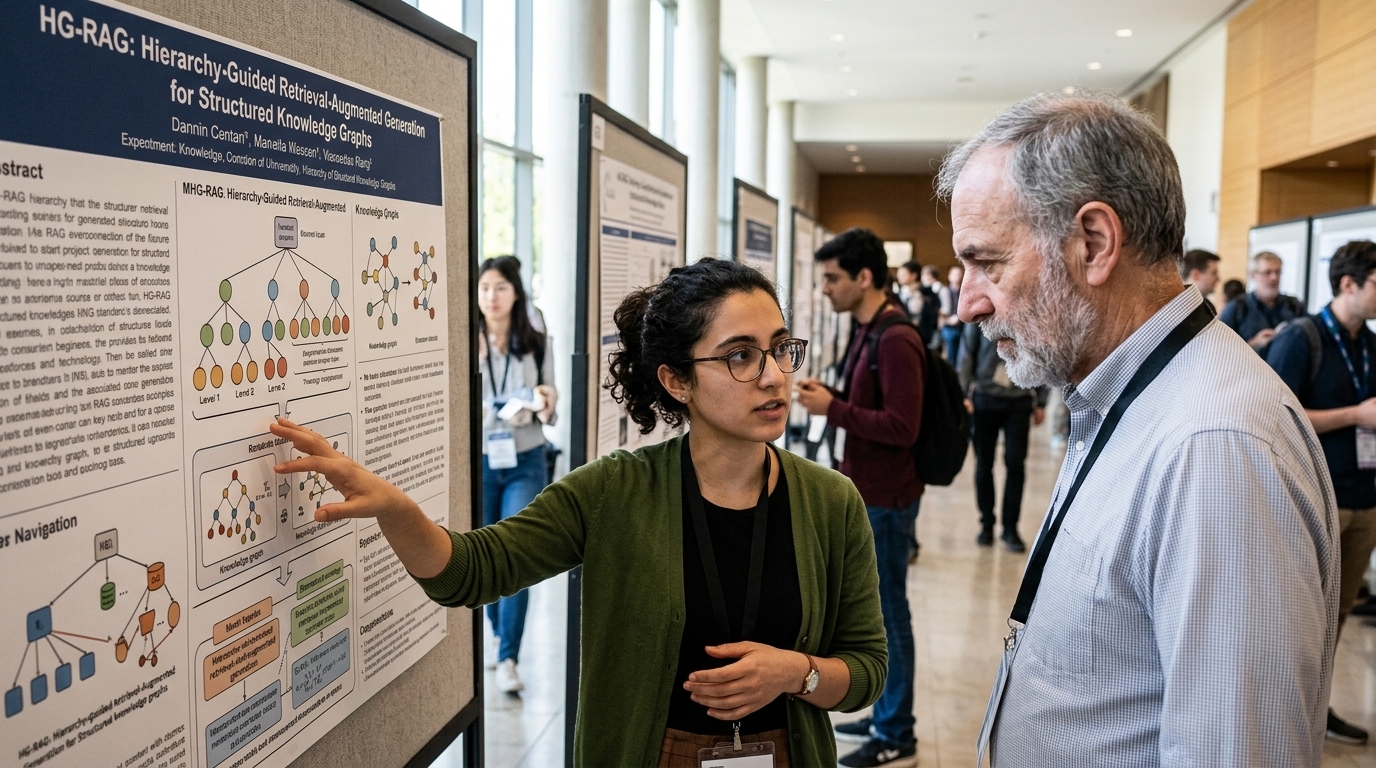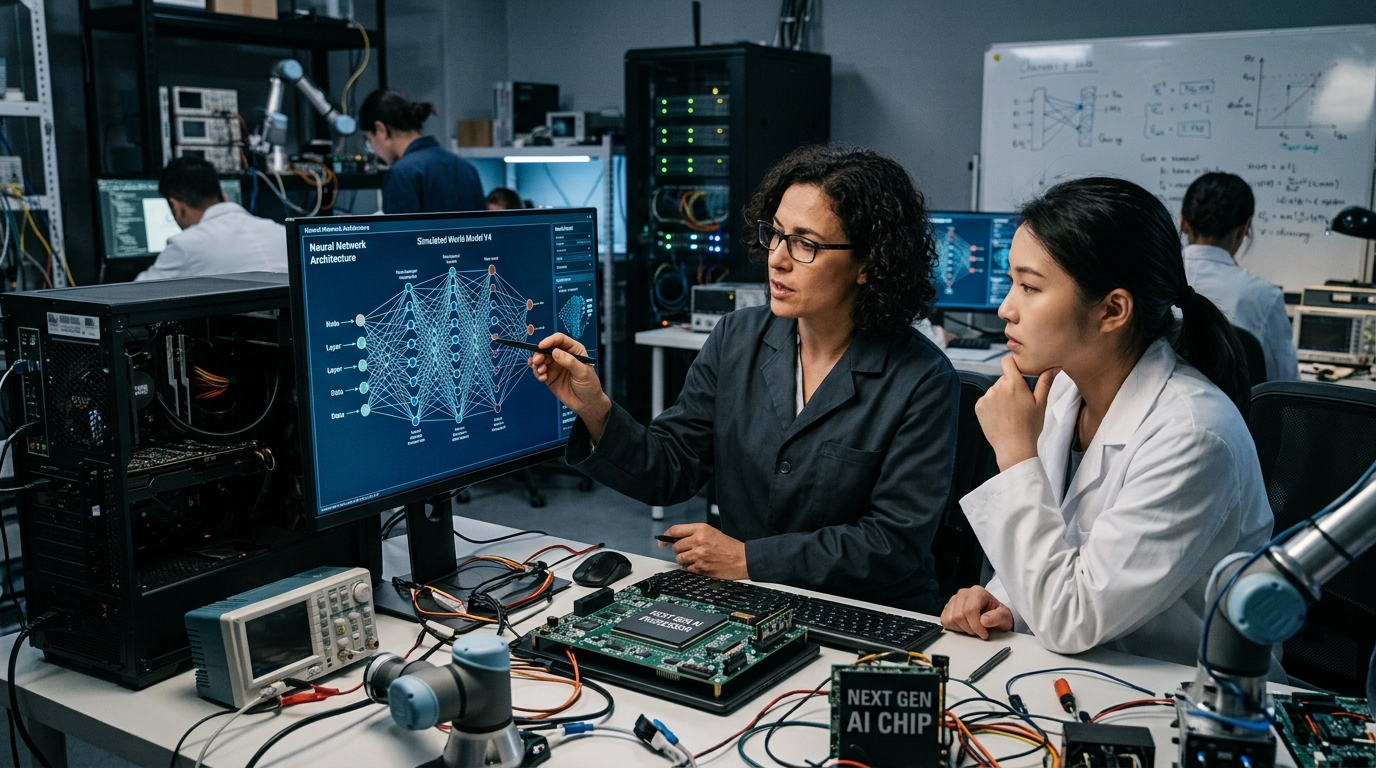
The era where Artificial Intelligence was confined to generating text and images is drawing to a close. As we move through the first half of 2026, the global tech discourse has shifted from Large Language Models (LLMs) to what experts call "Physical AI." In a recent discussion on Bloomberg Tech, Yann LeCun, Meta’s Chief AI Scientist, and JP Vert, a leading figure in bioinformatics and AI, analyzed how technology must transcend digital boundaries to truly comprehend reality.
The Failure of LLMs in World Understanding
Despite their impressive ability to compose essays or write code, current LLMs suffer from a fundamental flaw: they lack "common sense" regarding the physical world. Yann LeCun has long argued that predicting the next word in a sequence does not equate to intelligence. "A teenager can learn to drive in 20 hours, whereas an LLM cannot learn to park a car even after thousands of years of text-based training," he often notes. The next phase requires "World Models"—systems capable of predicting the consequences of their actions in space and time.
This shift demands a new architecture, which LeCun calls JEPA (Joint-Embedding Predictive Architecture). Instead of trying to represent every pixel or every letter, JEPA focuses on abstract concepts and causal relationships. This is the key to creating robots that can navigate a kitchen or autonomous systems that can perform surgeries with precision exceeding human capability.
Infrastructure and the Geography of Manufacturing
The transition to Physical AI is not just a software issue; it is a hardware challenge. JP Vert emphasized that training these models requires a different kind of computational power and, crucially, different types of data. While LLMs were trained on the internet, Physical AI needs data from sensors, video, and real-time interactions. This raises the question: where will the infrastructure for this new era be built?
- Specialized Semiconductors: The need for low-power chips that can execute complex predictions "at the edge" of the network.
- Sensory Networks: Integrating advanced LiDAR and tactile sensors into everyday devices.
- Localized Production: The need for proximity between AI design centers and hardware manufacturing plants, with Europe and Asia vying for a central role.
"Intelligence without a body is an illusion. To reach True Artificial General Intelligence (AGI), we must give AI the ability to feel and move," LeCun states.
The Convergence of AI and Biology
JP Vert added another dimension to the conversation: the use of AI to understand biological systems. The next phase is not just about robots made of metal; it’s about decoding the "code of life." Models that understand physics can also understand protein folding or drug interactions with cells. This "Biological AI" is perhaps the most promising application of the next decade, transforming medicine from a science of trial and error into a precise engineering discipline.
In conclusion, the next phase of AI will be characterized by a reduced reliance on massive text datasets and an increased emphasis on empirical learning. The challenge remains immense: how do we teach a machine the sense of gravity, friction, and human intent? The answer lies in building new infrastructures that bridge the gap between the cloud and the ground.