In the bustling streets of New York City, a metropolis built on the logic of transactions and marginal gains, the word "free" is usually met with heavy skepticism. However, a new startup called Shift has managed to become the talk of Manhattan and Brooklyn by offering something that sounds too good to be true: comprehensive apartment cleaning without a single dollar changing hands. But as is always the case in the digital economy, if you aren't paying for the product, you are the product—or in this case, your private living space is.
The New Gold Rush of Motion Data
Shift is not a cleaning company in the traditional sense. It is an artificial intelligence firm attempting to solve one of the greatest hurdles in modern robotics: the collection of real-world data. While Large Language Models like GPT-4 were trained on billions of words from the internet, robots destined for domestic use lack a similar "body" of data. It is not enough to tell a robot to "clean the kitchen"; the machine must understand the difference between a marble countertop and a stack of plates, the layout of millions of different homes, and the fine motor skills required to dust fragile objects.
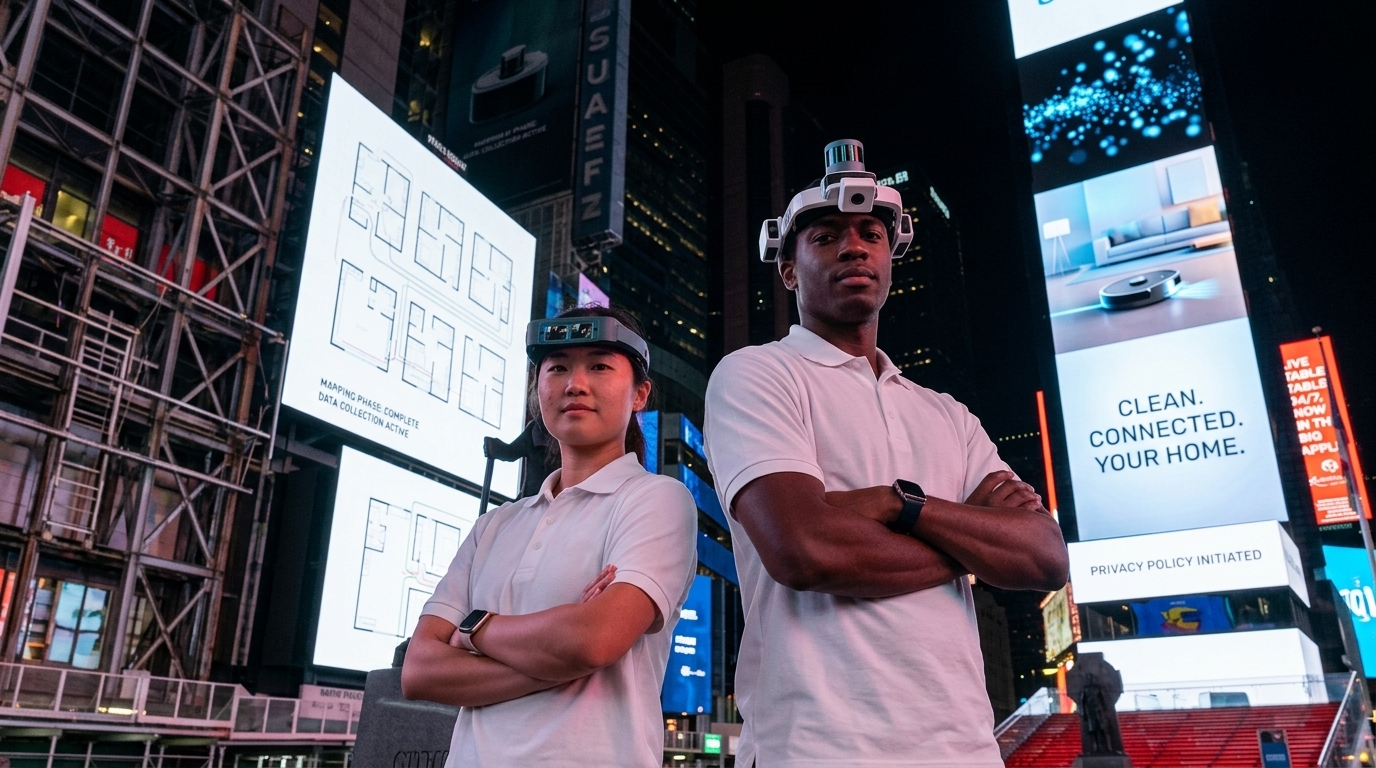
This lack of data is known in AI circles as "Moravec's Paradox": making a computer play chess at a grandmaster level is easy, but making it move with the dexterity of a one-year-old child is exceptionally difficult. Shift, therefore, sends human cleaners equipped with specialized 360-degree cameras and LiDAR sensors, recording every movement, every corner of the room, and every interaction with objects. This data is fed into neural networks that teach future robots how to navigate the chaos of human living.
Privacy Under the Microscope
The condition set by the company is clear: you permit the full video recording and mapping of your home. For many New Yorkers struggling with the high cost of living, surrendering the visual data of their living room seems like a small price for a service that normally costs $150-$200. However, digital rights experts are sounding the alarm. This isn't just about recording the dust under the couch; it's about creating a "digital twin" of citizens' private lives.
Where are these videos stored? Who has access to them? What happens if personal documents, family photos, or the inhabitants' habits are captured in the frame? Shift claims to use algorithms to automatically blur faces and sensitive information, but in an era of frequent cyberattacks, such a database is a goldmine for malicious actors. Furthermore, there is the ethical question of commodifying the last bastion of privacy: the home itself.
Behavioral Economics and the Future of Labor
Shift's strategy reveals a broader trend in the global economy: replacing monetary payment with data exchange. What began with free email and social networks is now moving into the physical world. The startup's "cleaner-collectors" are essentially training their own replacements. Every move they make today to clean an apartment brings the moment their labor will be fully automated one step closer.
From a business perspective, the value of the data Shift collects far exceeds the hourly cost of the cleaner's labor. In the AI market, high-quality, "clean" real-world data (ground truth data) is worth its weight in gold. Companies like Tesla, Figure, and Boston Dynamics are starving for this kind of information to make their humanoid robots capable of operating in unstructured environments. Shift, in essence, is building the world's most valuable library of domestic intelligence, using its own customers as the source of raw material.
Conclusion: A Faustian Bargain?
As technology advances, society is called to decide where to draw the red line. Shift's free service is the tip of the iceberg in a new economy where convenience is traded for surveillance. For the NYU student or the overworked professional, a clean home at no cost is a blessing. For the analyst of the future, it is the moment the home ceased to be a sanctuary and became just another dataset to be processed. The question is not whether robots will clean our homes in the future, but what they will know about us when they finally do.