At the center of the global maritime stage during Posidonia 2026, Leonidas Dimitriadis-Eugenides, President of the Eugenides Foundation and IMO Goodwill Ambassador in Greece, outlined the vision for the industry's next chapter. Speaking to "Naftemporiki," he highlighted the remarkable ability of Greek-owned shipping to maneuver and thrive within an environment of stringent international regulations and intense competition.
The Regulatory Challenge and Global Competition
Greek shipping, as the dominant player in the world's oceans, faces a dual challenge: the urgent need for decarbonization and the tightening of competition rules, particularly within the European Union framework. Mr. Eugenides emphasized that adaptability is not merely an option but part of the Greek shipowner's DNA. With the implementation of the Emissions Trading System (ETS) and FuelEU Maritime regulations, operating costs are rising, yet the Greek side appears to be investing strategically in newbuilds with high energy efficiency.
"Competition is healthy when the rules are uniform for everyone (a level playing field)," he noted. The industry's concern lies in the fact that regional EU regulations might harm the competitiveness of European shipping against Asian giants. However, Greek shipping has historically proven that it can turn crises into opportunities by renewing its fleet faster than the global average.
Artificial Intelligence and Digital Transformation
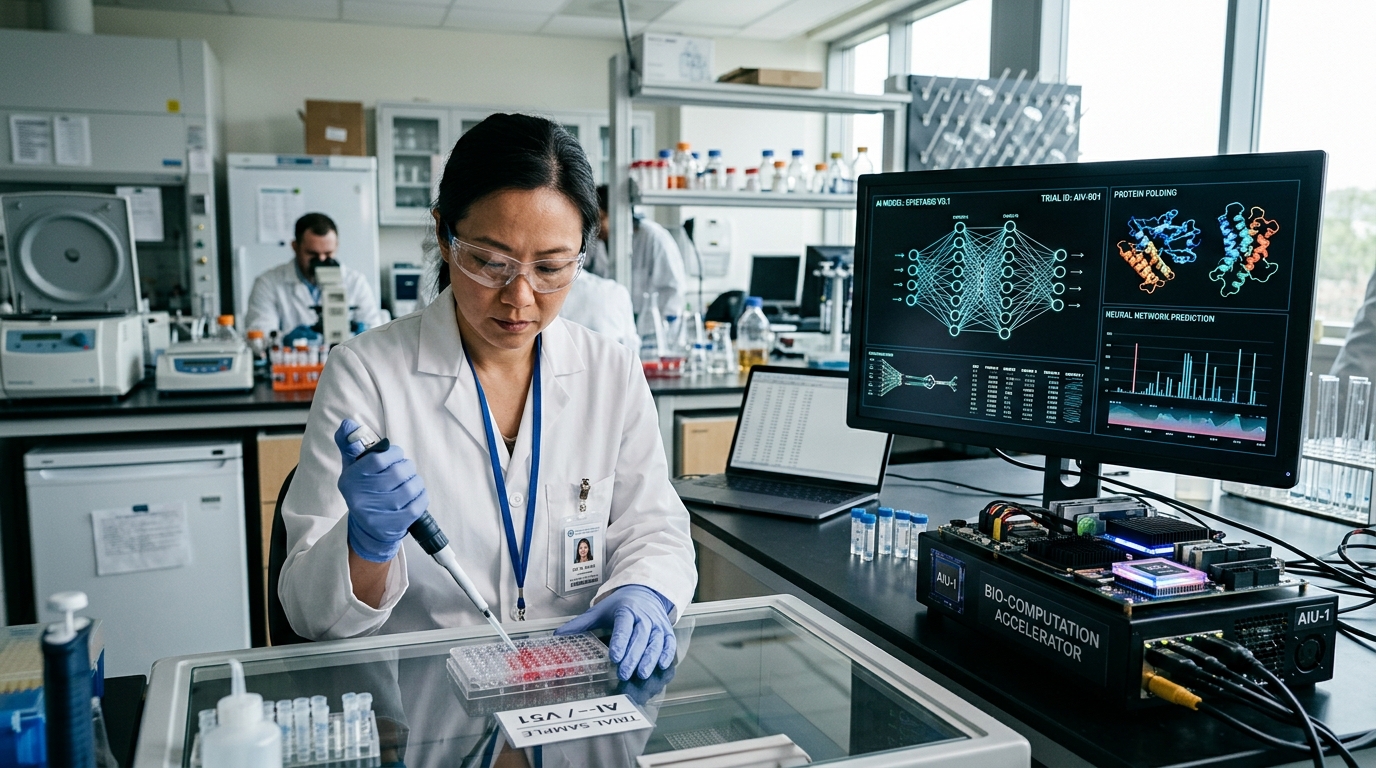
2026 is not just a landmark year for ship orders but also for the integration of Artificial Intelligence (AI) on the bridge and in the engine room. Mr. Eugenides pointed out that digitalization is not just about monitoring fuel consumption but about the holistic management of the ship as a "living" data hub. The use of AI for predictive maintenance and route optimization based on weather conditions has become a daily reality.
The Eugenides Foundation, under his leadership, plays a pivotal role in preparing the next generation for these changes. Maritime education in Greece is called upon to bridge the gap between traditional seamanship and the skills required by modern technology. "The seafarer of the future will be a manager of high-tech systems, while maintaining the judgment and experience that only a human possesses," the Foundation's president remarked.
Investing in Human Capital
One of the most significant points of Mr. Eugenides' intervention was the emphasis on education. The Eugenides Foundation continues to modernize the manuals and curricula of the Merchant Marine Academies (AEN), introducing modules on cybersecurity and the management of automated systems. The shortage of specialized personnel is perhaps the greatest threat to the industry's growth globally, and Greece must maintain the advantage of its high-quality officers.
- Modernizing AEN infrastructure using state-of-the-art simulators.
- Linking academic knowledge with practical application on ships.
- Promoting shipping as an attractive career for young people in the digital age.
Conclusions and Outlook
Greek shipping remains the backbone of the national economy and one of the few sectors where Greece leads on a global level. The optimism expressed by Leonidas Dimitriadis-Eugenides at Posidonia 2026 stems from a steadfast belief in the strength of human potential and the ability of Greek businesses to invest in the future. Adapting to competition rules is not just a legal obligation but the path to maintaining leadership in a rapidly changing world.
In conclusion, Mr. Eugenides stressed that cooperation between the state, the shipowning community, and educational institutions is the only recipe for success. Greece's "blue economy" has the potential to lead in the green transition as well, provided it continues to invest in knowledge and innovation.