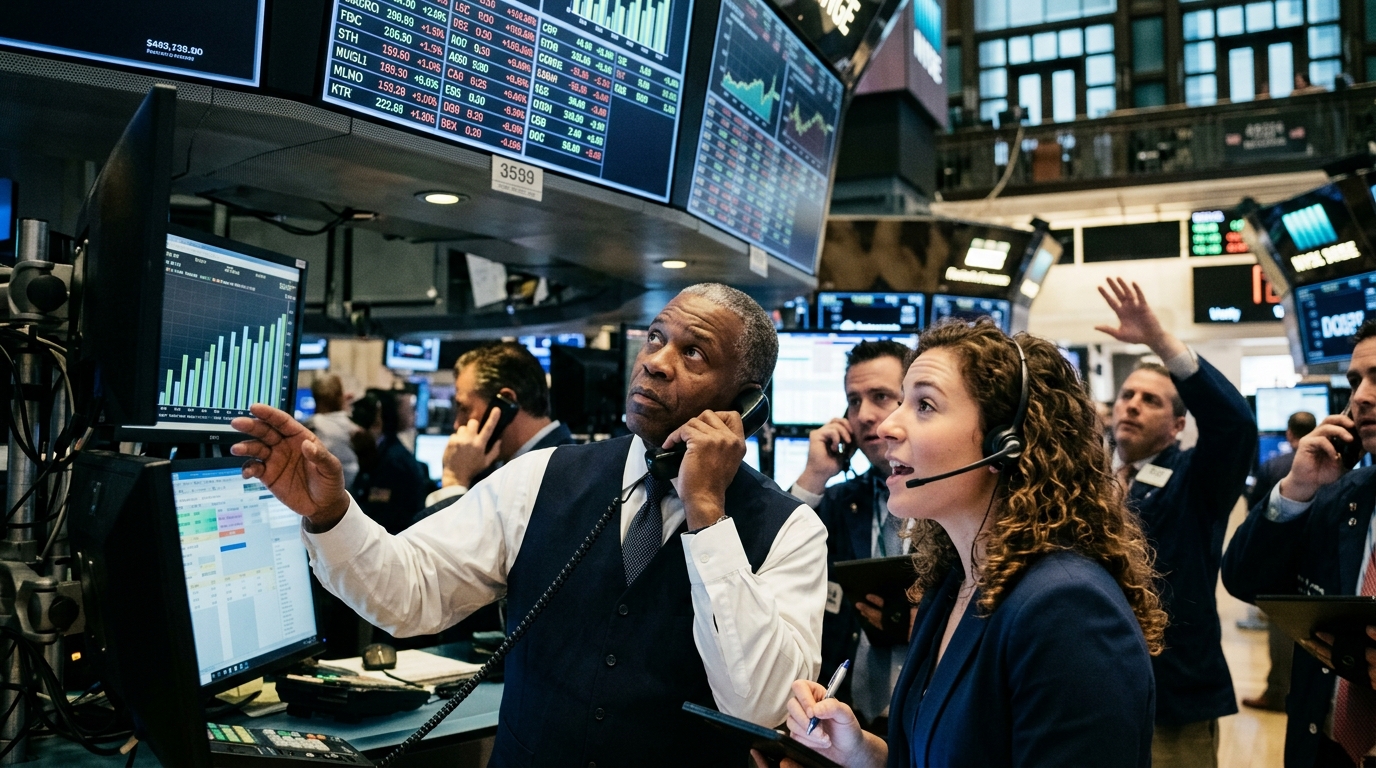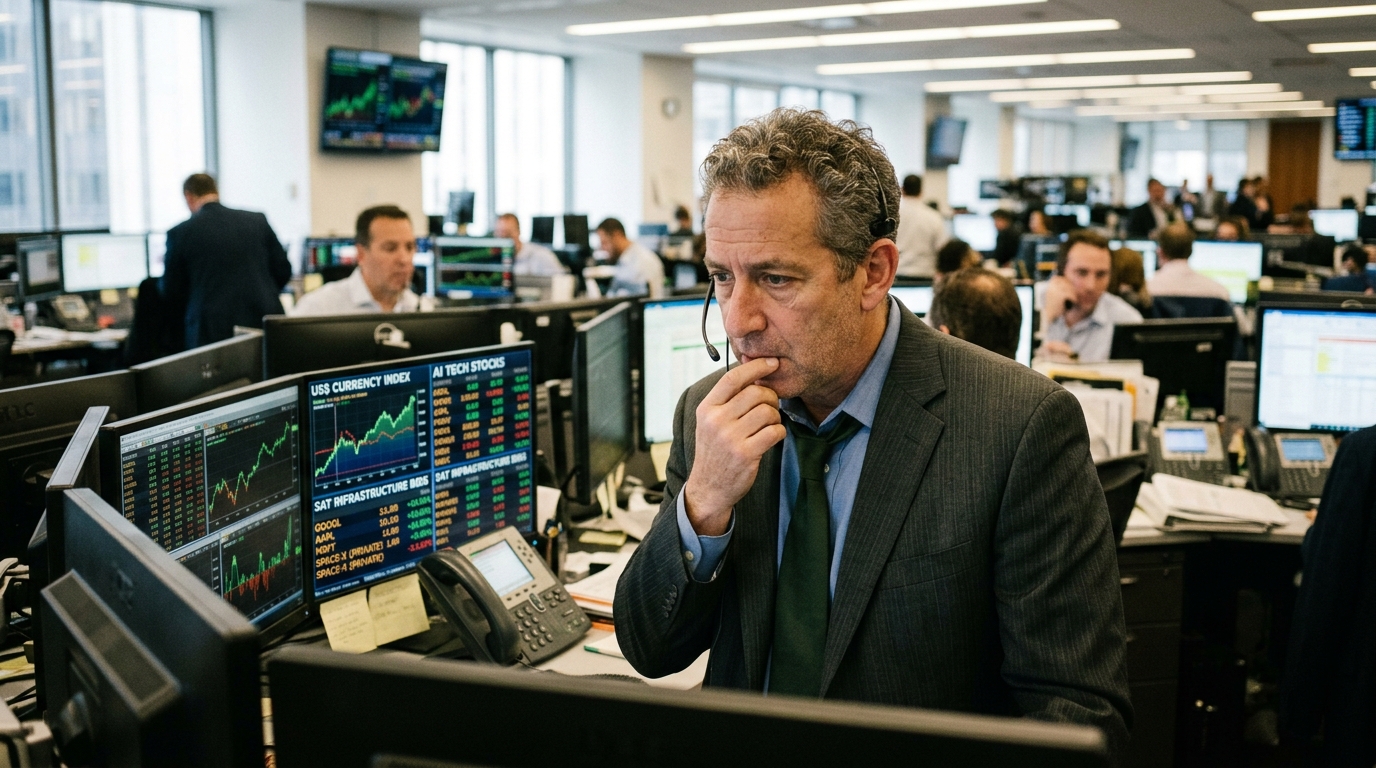
As we navigate June 2026, the global economic landscape bears little resemblance to the previous decade. The traditional pillars of stability—the dominance of the U.S. dollar, the structural integrity of the internet, and the boundaries of terrestrial industry—are undergoing a radical reconfiguration. In the latest review of "Wall Street Week," three critical fronts emerged that will define the next five years: the erosion of the greenback’s power, the existential crisis facing digital publishers due to Artificial Intelligence, and the transformation of space into a pragmatic infrastructure investment destination.
AI and the Death of the Click
For more than twenty years, the internet economy was built on a simple transaction: search engines directed users to websites, and websites earned revenue through advertisements or subscriptions. This model is collapsing. With the widespread adoption of AI-powered search engines, such as Google's advanced Gemini and OpenAI’s SearchGPT, the user experience has fundamentally shifted. Instead of a list of links, users receive a comprehensive answer directly on their screen.
The consequences for content publishers are catastrophic. Web traffic to news organizations and niche blogs is declining at double-digit rates. Advertisers, witnessing the drop in click-through rates, are moving their budgets directly to AI platforms. This creates a paradox: AI is trained on publishers' content while simultaneously depriving them of the resources needed to continue producing that very information. Wall Street is closely monitoring this transition to the "answer economy," as tech companies are now forced to find new licensing models to ensure their data sources do not run dry.
Kenneth Rogoff and the Shadow of Debt on the Dollar
On the macroeconomic front, Harvard economist Kenneth Rogoff has sounded the alarm regarding the U.S. dollar. Despite remaining the world’s dominant reserve currency, its position is more vulnerable than ever. Two primary factors are at play: the unbridled growth of U.S. public debt and the geopolitical weaponization of the currency.
Rogoff argues that using the dollar as a tool for sanctions has forced many emerging economies, led by China and the BRICS+ nations, to seek alternatives. Simultaneously, the rise in interest rates to combat inflation has made servicing U.S. debt a costly affair that unnerves foreign investors. While an immediate collapse is not predicted, the "erosion" is real. Wall Street is beginning to price in a world where the dollar is first among equals, rather than an absolute monarch—a shift that will increase borrowing costs for the U.S. and reorder global capital flows.
Spaceports: The New Investment Frontier?
While Earth grapples with its debts, investor eyes are turning upward. Investing in spaceports is no longer considered science fiction; it is a strategic infrastructure move akin to building airports or seaports in the previous century. With the launch of thousands of satellites for telecommunications and the prospect of asteroid mining, the demand for launch infrastructure has skyrocketed.
The commercialization of space is moving from the stage of billionaire "prestige projects" to industrial-scale operations. Spaceports in regions like Texas, Scotland, and Australia are attracting institutional capital seeking long-term returns. Analysis from Bloomberg Tech suggests that the Low Earth Orbit (LEO) economy could reach $1 trillion by 2030, making spaceports the key to controlling this nascent market.
The Case of Bolivia and the Lithium Triangle
Finally, the discussion surrounding Bolivia’s investability highlights the complexity of the green transition. Bolivia holds some of the world's largest lithium reserves, essential for electric vehicle batteries and AI data center energy storage. However, political instability and a state-centric approach have made the country "difficult" for foreign investors.
"Bolivia is a treasure chest with a very complicated lock," noted one analyst during the broadcast.
Wall Street is watching to see if Bolivia can modernize its legal framework to attract the billions required for extraction. In a world thirsty for lithium, Bolivia stands at a crossroads: it will either become the next energy giant or remain a missed opportunity, trapped in internal strife while its neighbors, Chile and Argentina, move forward at full speed.