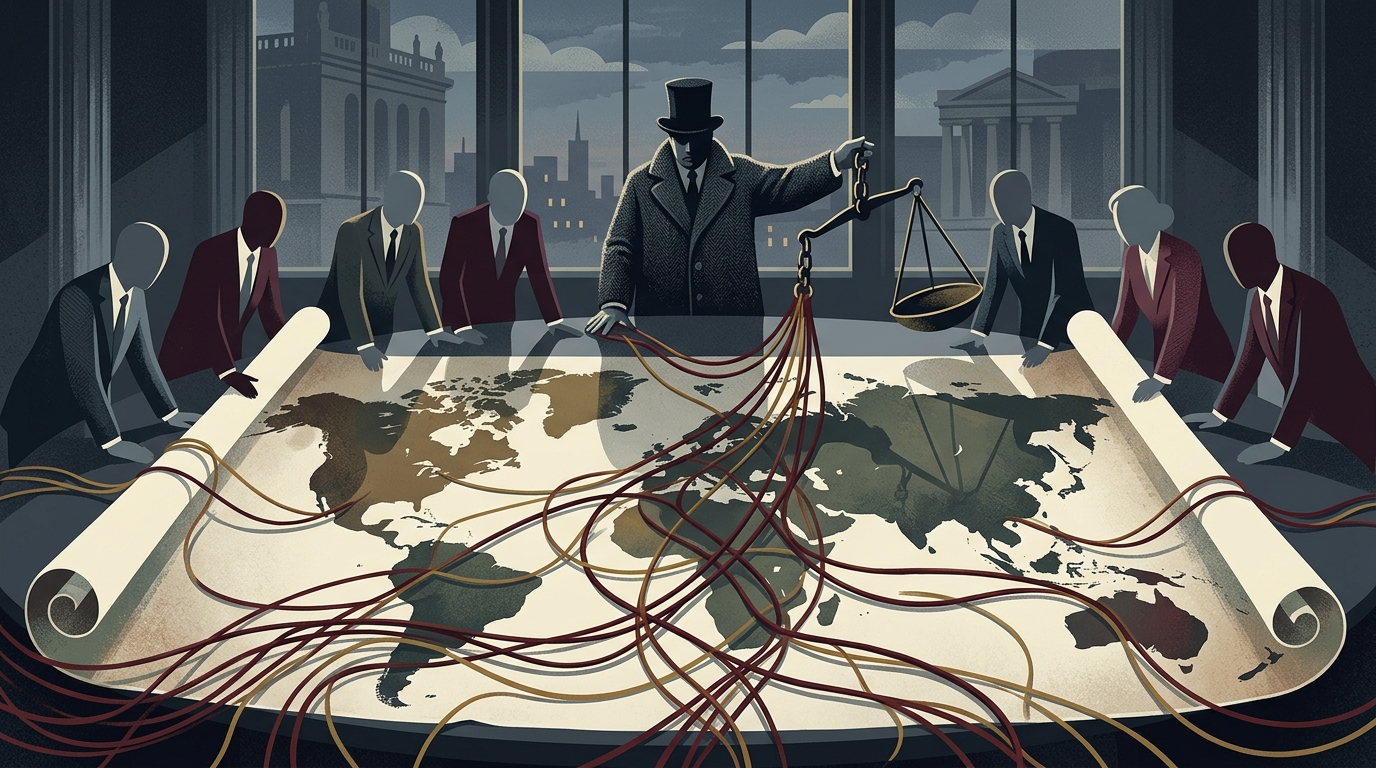
As we move through the first half of 2026, the global geopolitical chessboard increasingly mirrors the warnings issued by historian Paul Kennedy in his seminal work, "The Rise and Fall of the Great Powers." The concept of "imperial overstretch"—the condition where a power's strategic commitments exceed its economic capacity to sustain them—is no longer a theoretical concern but a pressing reality for the Trump administration. With U.S. national debt gallivanting into uncharted territory and international tensions multiplying, Washington faces a historic dilemma: maintaining global hegemony or salvaging the domestic economy.
The Ghost of Paul Kennedy and Modern Reality
Kennedy’s theory posits that empires collapse when the cost of maintaining military might undermines the economic foundations that fuel it. Today, the U.S. spends more on servicing its debt than on its defense budget, which nevertheless remains the largest in the world. The Trump administration, despite its "America First" rhetoric, finds itself trapped in a contradictory policy: on one hand, it seeks isolationism and protectionism through tariffs; on the other, it ramps up military spending to counter the rise of China and ongoing conflicts across Eurasia.
The "Debt Empire" is not merely a figure of speech. With debt exceeding 120% of GDP, the U.S.'s ability to finance future crises is being dramatically curtailed. Reliance on foreign creditors—many of whom are geopolitical rivals—creates a vulnerability that no previous superpower has faced on such a scale. The weaponization of the dollar through sanctions has accelerated de-dollarization trends among the BRICS+ nations, making the financing of the American deficit an increasingly expensive and risky endeavor.
The Economic Trap of Tariffs and Inflation
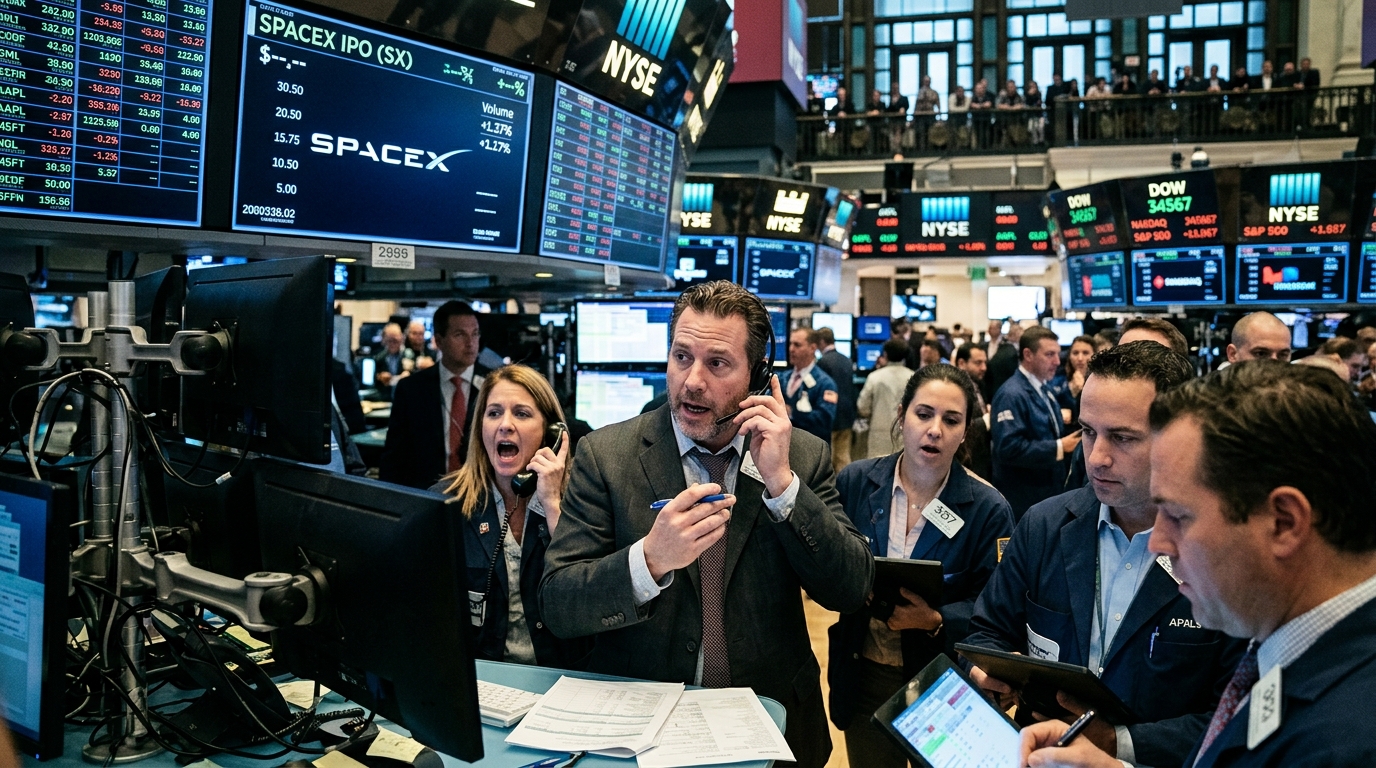
Donald Trump’s strategy relies heavily on the imposition of broad-based tariffs, hoping to revitalize American manufacturing. However, analysts warn that this move acts as an indirect tax on American consumers, fueling inflation at a time when interest rates remain high. The rising cost of living, combined with massive fiscal expansion, creates a volatile mix. If the economy slows down while debt continues to climb, the U.S. risks a "Minsky Moment"—a sudden collapse of market confidence that could shake the foundations of the global financial system.
- Rising debt service costs limit resources for education, healthcare, and innovation.
- Trade wars disrupt global supply chains, increasing volatility for multinational corporations.
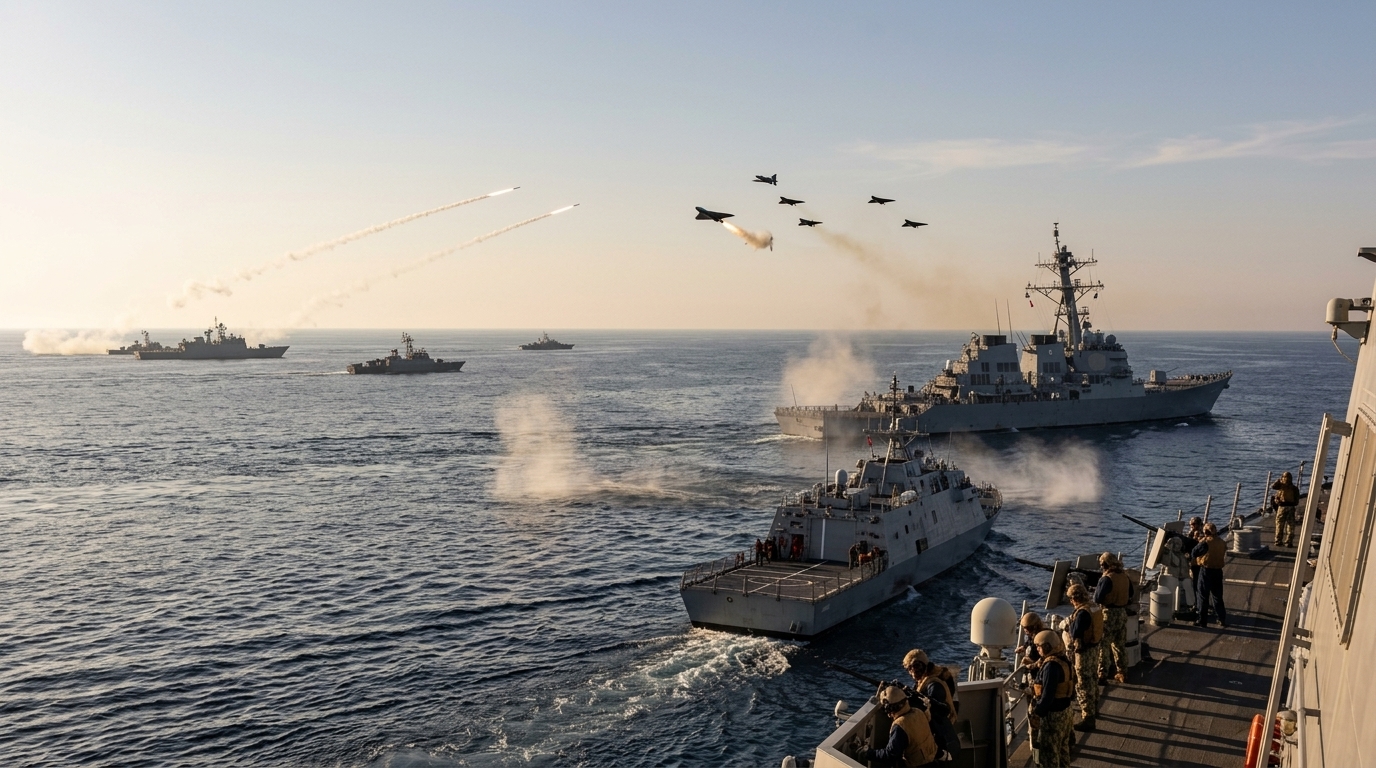
- Military presence across multiple fronts (Ukraine, Middle East, Taiwan) depletes resources and morale.
Geopolitical Instability and the End of Pax Americana?
History teaches that the retreat of a superpower is rarely smooth. The Trump administration's attempt to renegotiate the terms of the global order creates power vacuums that regional powers are eager to fill. The weakening of traditional alliances, such as NATO, coupled with domestic economic pressure, makes the U.S. a less reliable guarantor of global security. "Imperial overstretch" manifests when a country can no longer project its will without risking economic self-immolation.
"A nation's strength is measured not only by the number of its aircraft carriers but by the resilience of its currency and the unity of its society."
In conclusion, Trump’s debt empire represents a critical turning point. If the U.S. fails to balance its global ambitions with fiscal discipline, the risk of a sharp and painful adjustment is palpable. The question is no longer whether America will remain the preeminent power, but at what cost and for how much longer it can borrow from its future to finance its present.