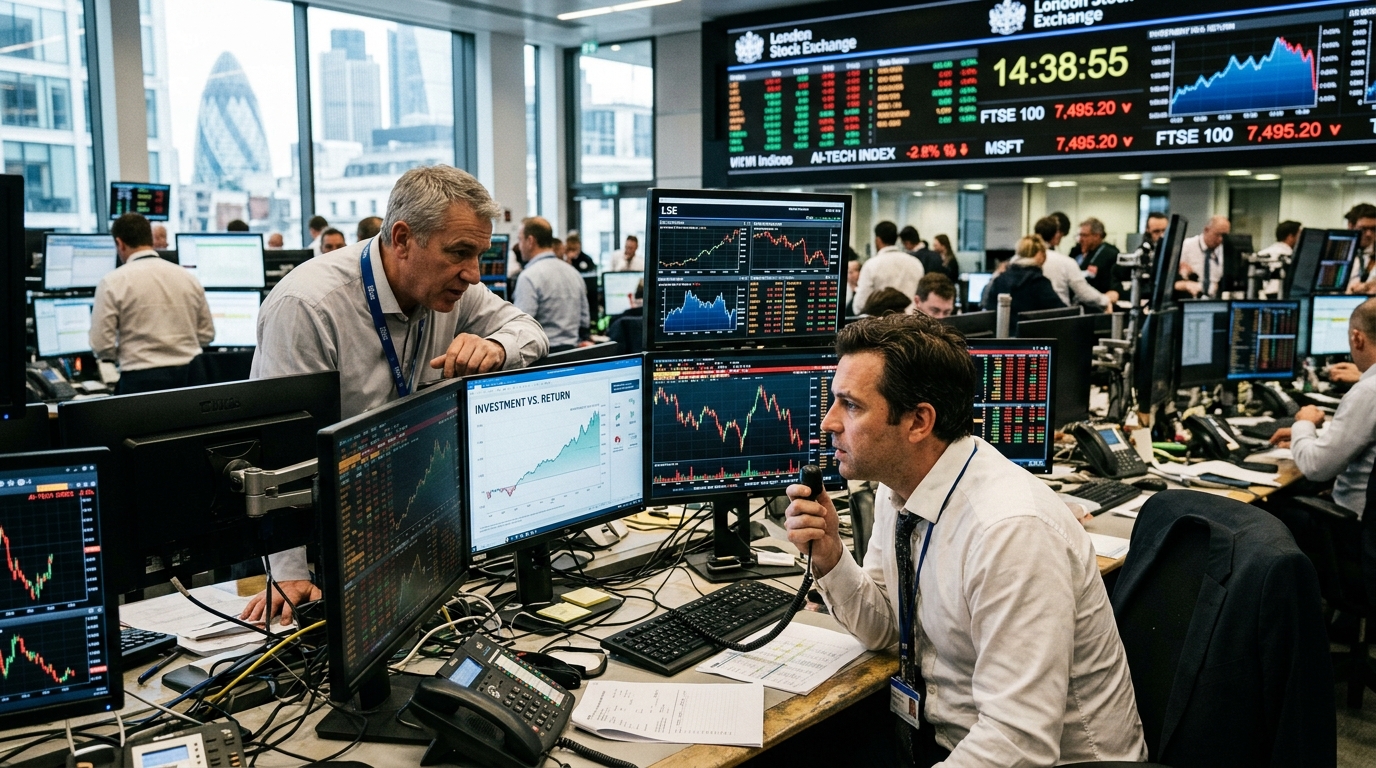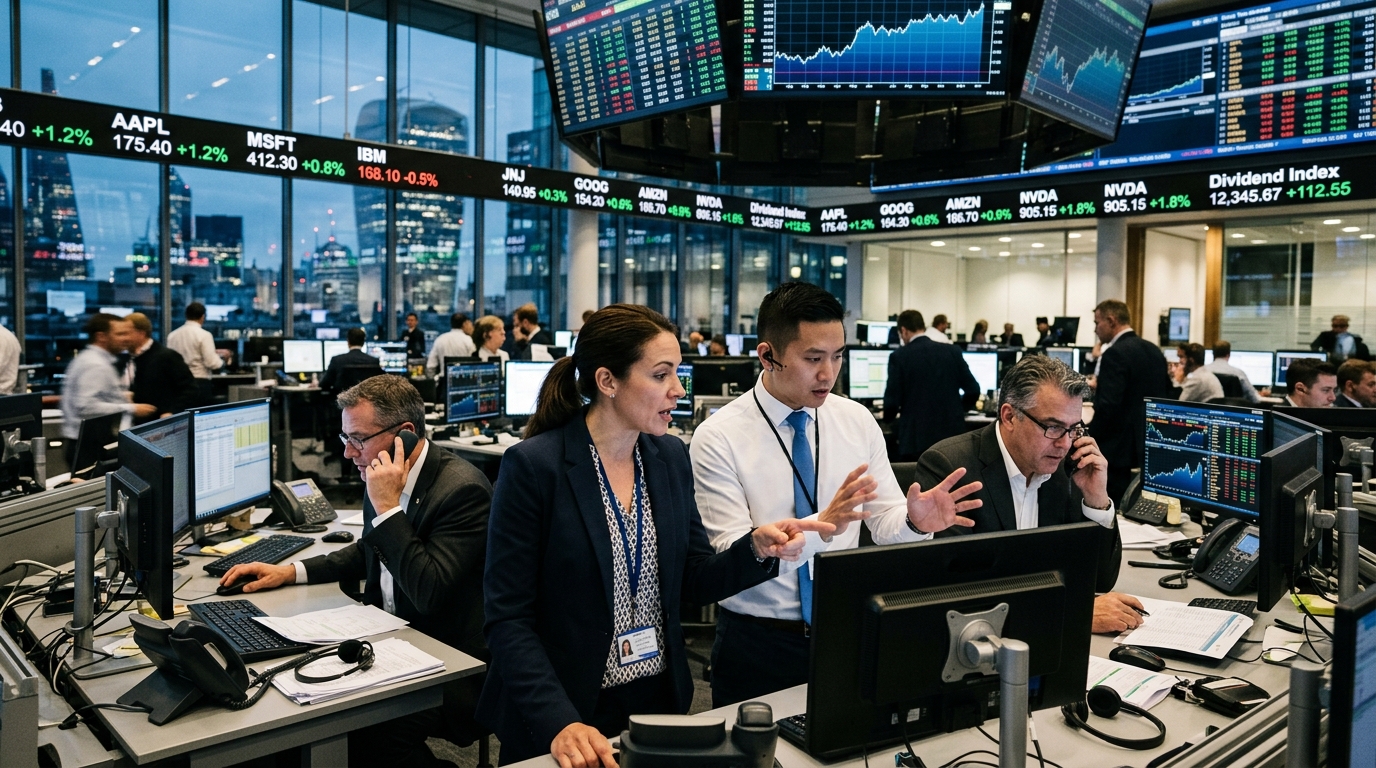
As of early June 2026, the global technology market stands at a critical juncture. Following a two-year relentless rally fueled by the Artificial Intelligence (AI) revolution, one of Wall Street's most respected voices, Mary Ann Bartels, Chief Investment Strategist at Sanctuary Wealth, is sounding the alarm. During an interview on Bloomberg's "Open Interest," Bartels used the evocative phrase that semiconductor stocks have gotten "over their skis," implying that their valuations have far outstripped their fundamental capabilities in the current phase.
The Anatomy of an Overbought Market
Bartels' analysis is not rooted in general tech pessimism but in rigorous technical indicators. As she explained, semiconductor stocks—led by giants such as Nvidia, AMD, and TSMC—exhibit signs of being extremely overbought. In market parlance, this means prices have ascended so rapidly and to such heights that a pullback is not merely possible, but necessary for the long-term health of the sector. Bartels noted that the market was long overdue for a retreat, as the fervor for AI hardware had created an environment of "Fear Of Missing Out" (FOMO) among retail and institutional investors alike.
In 2026, the demand for chips remains robust, yet the market is beginning to question the pace at which software companies and end-users can monetize this infrastructure. "We are seeing a disconnect between market capitalization and the actual absorption of technology by the broader economy," the strategist remarked. This disconnect is what breeds volatility, as institutional players begin to lock in profits, anticipating a more attractive entry point in the coming months.
Geopolitical Chess and Supply Chain Realities
Beyond technical charts, the mid-2026 environment is burdened by geopolitical uncertainty. Export restrictions on high-end technology to China have intensified, while the efforts by the US and EU to reshore semiconductor manufacturing via various Chips Acts have begun to show signs of strain due to high capital costs and labor shortages. Investors, according to Bartels, may not have correctly priced in the risk of a slowdown in orders should major cloud providers (Hyperscalers) decide to moderate their data center expansion rates.
- Nvidia remains the undisputed leader, but competition from custom silicon (ASICs) developed by Google and Amazon is beginning to pressure margins.
- TSMC faces rising operational costs at its new Arizona facilities, impacting bottom-line forecasts.
- Semiconductor equipment stocks (such as ASML) are showing signs of a cyclical peak in their order books.
Bartels argues that a correction of 10% to 15% in the semiconductor sector would be "cathartic." It would allow the market to flush out speculative excess and refocus on fundamental growth metrics. "The AI story is far from over," she clarified, "but the first phase of unbridled euphoria is reaching its natural limit."
Investment Strategy: From Hardware to Software?
The warning from Sanctuary Wealth arrives at a time when many strategists are suggesting a pivot in investment allocation. If semiconductors have indeed gotten "over their skis," where will the capital flow? Bartels implies that the next leg of the bull market will likely favor companies that effectively utilize AI to boost productivity, rather than just those providing the "picks and shovels" of the digital gold rush.
"History teaches us that infrastructure is built with incredible speed, but lasting value is created at the application layer. Semiconductors ran ahead of reality. Now, reality must catch up to them."
In conclusion, Mary Ann Bartels' analysis serves as a potent reminder that no market moves in a straight line forever. For investors globally, the current situation demands discipline and perhaps a reallocation of portfolios toward more defensive sectors or tech companies with more reasonable valuations. The summer of 2026 is expected to be volatile on trading screens as the market seeks a new equilibrium after its high-altitude run in the semiconductor space.