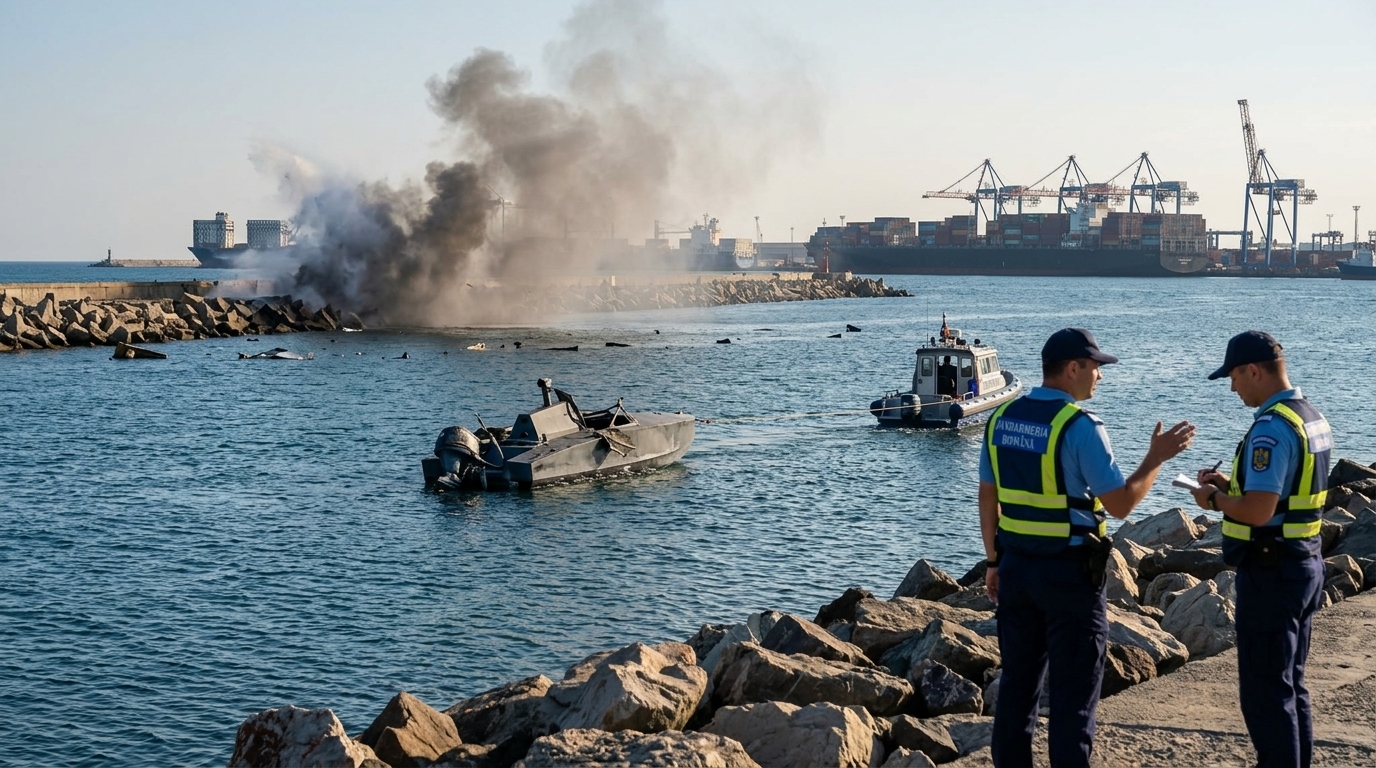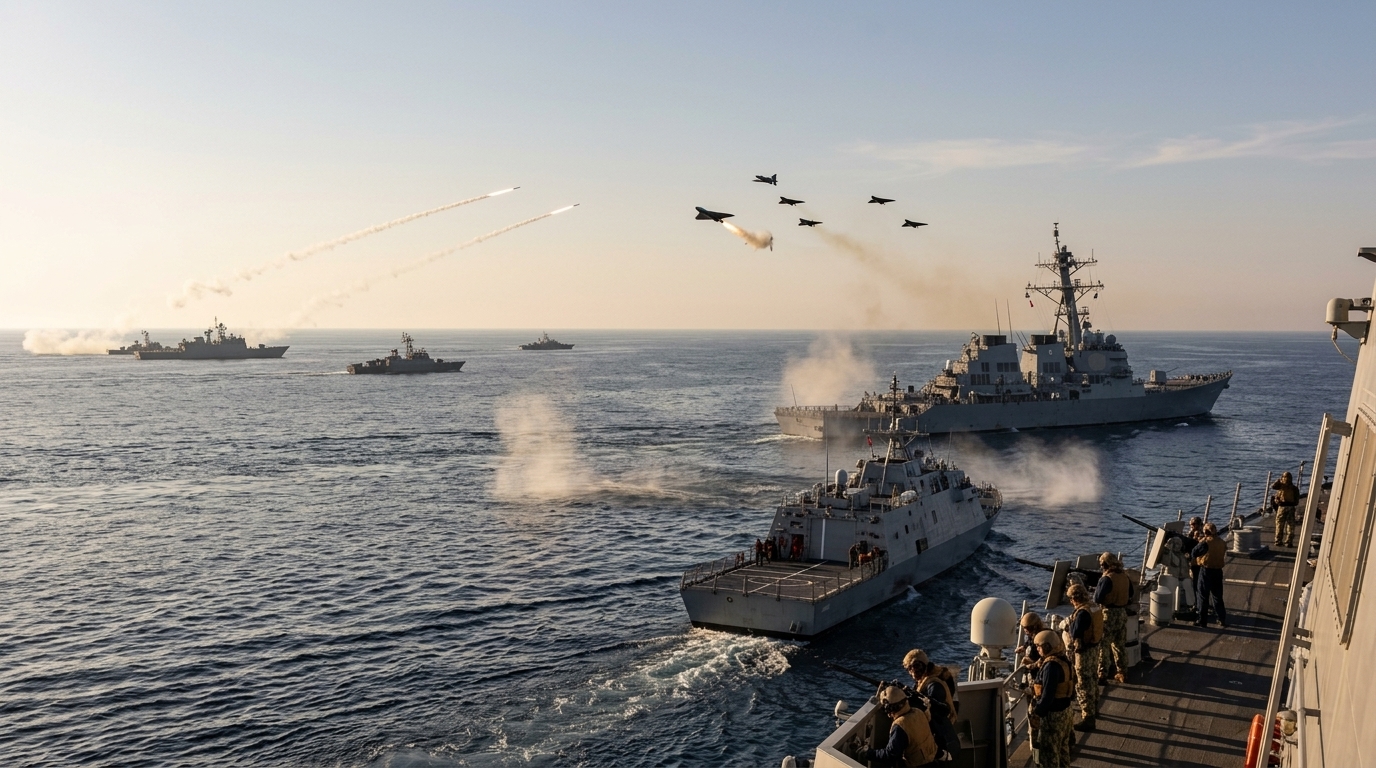
In a move that pushes geopolitical tensions to the brink, the Iranian Navy announced on Friday, June 5, 2026, that it launched warning missiles and deployed unmanned aerial vehicles (drones) against US warships in the Gulf of Oman. Tehran maintains that this action was a necessary response to what it described as "provocative behavior and harassment" by the US Navy in a region that serves as a vital artery for global energy trade.
The Chronology of Confrontation and Drone Tactics
According to official statements from Iranian state media, the incident occurred during a routine patrol when Iranian radar detected US destroyers approaching at an "unacceptable distance" from Iranian territorial waters and commercial vessels. The deployment of drones was far from incidental. Over the past few years, Iran has invested billions into developing swarming technology, utilizing artificial intelligence to coordinate dozens of small, armed drones that can overwhelm the traditional air defense systems of large surface vessels.
This asymmetric threat represents the primary concern for US Central Command (CENTCOM). Although the missiles launched were categorized as "warning shots" and did not strike their targets, the precision with which the drones approached the US fleet suggests a significant upgrade in Tehran's electronic warfare and navigation capabilities. Analysts point out that using AI in the guidance of these assets allows Iran to conduct "gray zone" operations—actions that fall just below the threshold of open warfare but exert maximum psychological and strategic pressure.
The Geopolitical Chessboard and Energy Security
The Gulf of Oman and the neighboring Strait of Hormuz are the world's most critical transit points for oil. Any instability there immediately translates into spikes in crude prices on international markets. The timing of the attack—amidst tense negotiations over arms control and regional alliances—indicates that Iran seeks to remind the West of the costs associated with a potential total rupture in relations.
Washington, for its part, rejected the claims of harassment, citing "unprofessional and dangerous behavior" by Tehran. The Pentagon emphasized that US forces were operating in international waters, ensuring the freedom of navigation. However, the reality is that the presence of advanced AI systems on both sides makes the risk of an accident or a misinterpretation of an opponent's intentions more likely than ever. An algorithm interpreting a "warning" move as an immediate threat could trigger an automated response, leading to an escalation that no diplomat would have time to intercept.
The Aftermath: Diplomacy or Conflict?
The international community is watching with bated breath. The European Union and China have already issued calls for restraint, recognizing that a conflict in the Gulf would have catastrophic consequences for a global economy still trying to find its footing in 2026. Iran appears to be using its military prowess as leverage to secure the lifting of remaining sanctions, while the US remains caught between the need to protect its prestige and the desire to avoid being dragged into another Middle Eastern war.
In this environment, technology acts as a double-edged sword. While surveillance systems provide a clearer picture of the battlefield, the speed of drones and the automation of weapon systems reduce the reaction time for human commanders. Friday's incident was not merely a military exercise or a random skirmish; it was a demonstration of power in the new era of "smart" warfare, where the lines between a warning and an attack are becoming increasingly blurred.
Strategic Implications for 2026
As we move further into the decade, the integration of AI into naval doctrine is no longer a futuristic concept but a daily reality. The US Navy has been testing its own "Ghost Fleet" of unmanned vessels, but the Iranian approach of low-cost, high-volume drone swarms poses a unique challenge to high-value assets like Arleigh Burke-class destroyers. The psychological impact of being surrounded by dozens of potential kamikaze drones, even if they are only "observing," cannot be overstated.
Furthermore, the regional alignment is shifting. With Iran strengthening its technological ties with other global powers, the hardware and software used in these encounters are becoming more sophisticated. The Gulf of Oman is no longer just a body of water; it is a testing ground for the future of maritime conflict resolution—or the lack thereof.