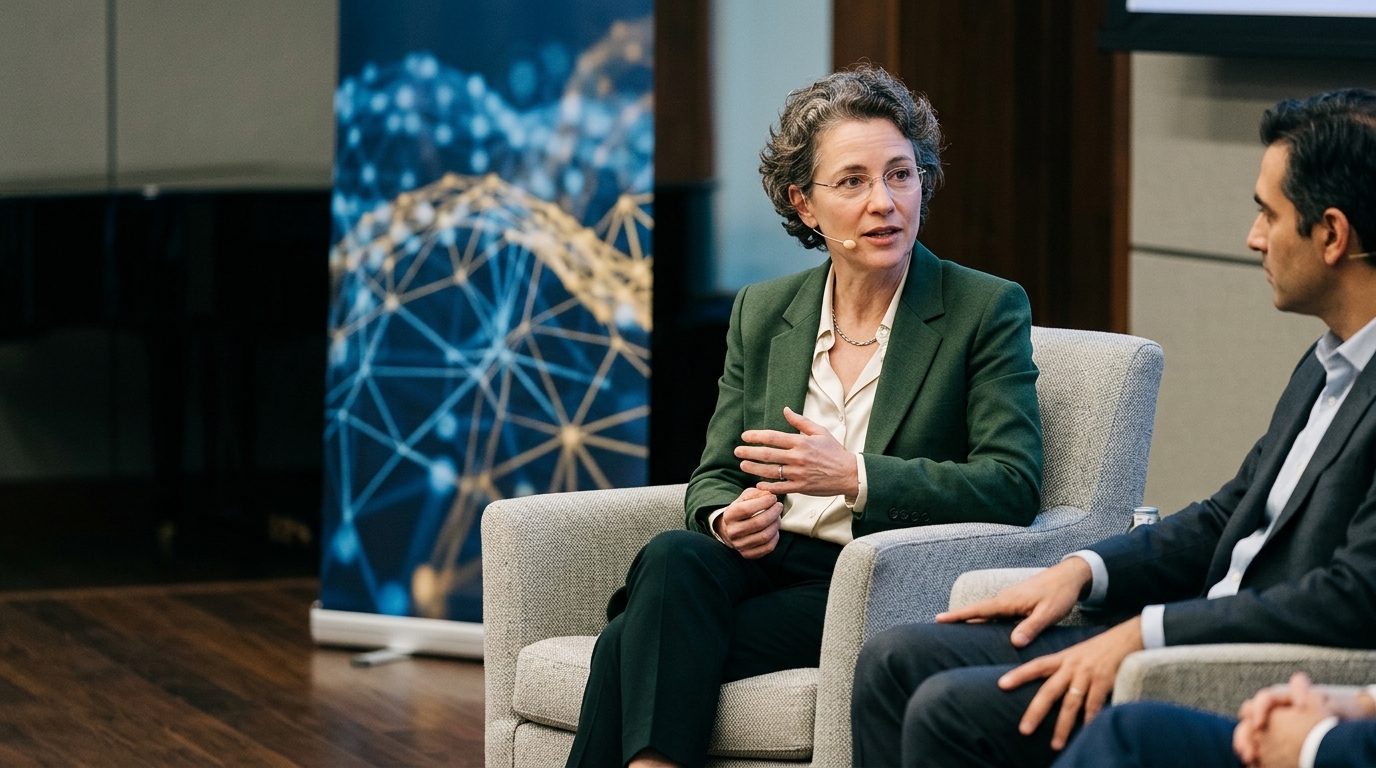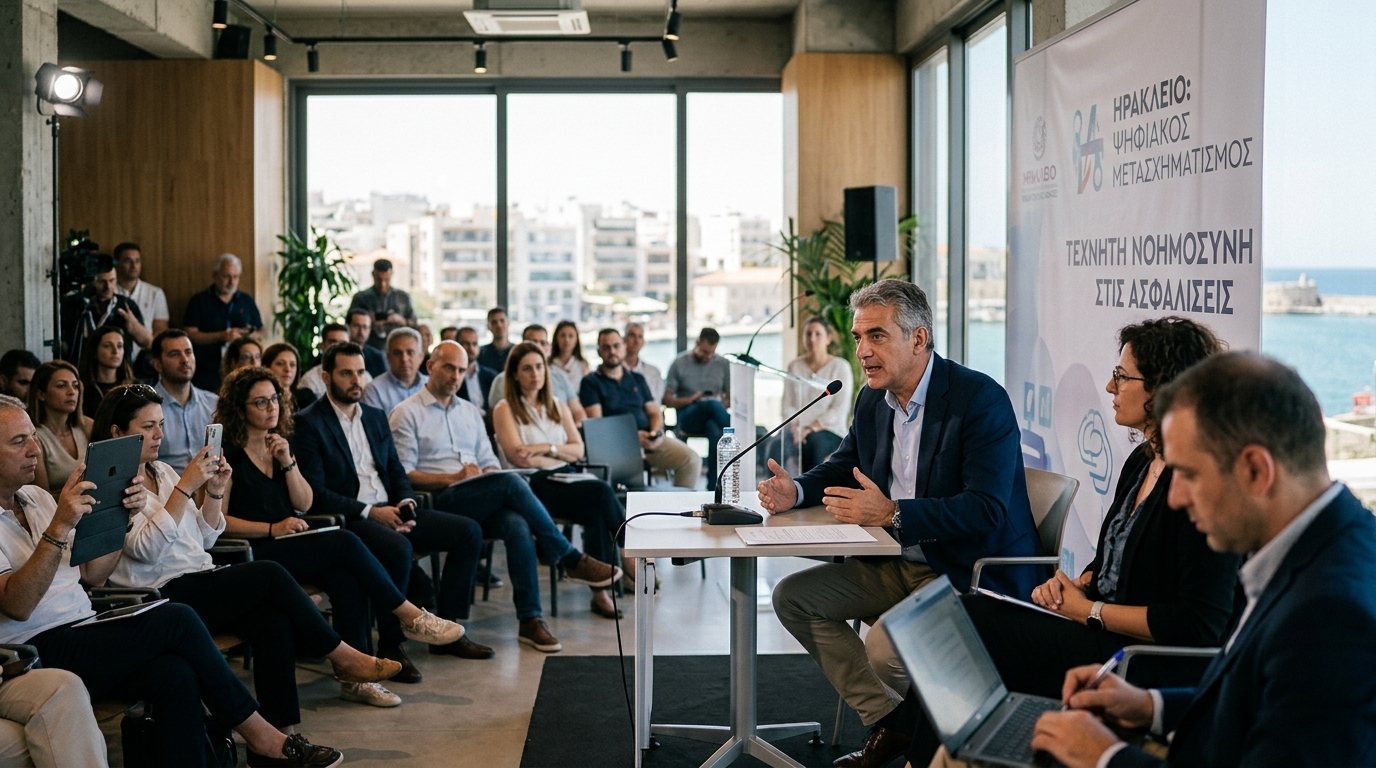
In the heart of Heraklion, where the tradition of Cretan hospitality meets the pulse of modern entrepreneurship, an event took place that is expected to be a landmark for the insurance industry in Greece. The conference titled "Sustainability of the Insurance Intermediary – Artificial Intelligence in Our Days," organized with the participation of top institutional figures and technology experts, was not just a discussion about the future; it was a deep dive into the urgent need for adaptation in an environment changing at the speed of light.
The Digital Challenge and the Human Factor
The insurance market, traditionally conservative and based on interpersonal relationships, now finds itself at a crossroads. The advent of Artificial Intelligence (AI) is no longer a science fiction scenario but a daily reality affecting everything from risk pricing to claims management. During the Heraklion conference, it was repeatedly emphasized that the "sustainability" of the intermediary is not threatened by technology, but by inertia towards it.
Speakers analyzed how Big Data and machine learning algorithms can become an agent's right hand. Instead of the intermediary being consumed by bureaucratic procedures, AI allows them to focus on what machines cannot replace: empathy, advisory guidance, and building trust in moments of crisis. Sustainability, therefore, translates into a "hybrid" role, where technological superiority meets human judgment.
AI Tools at the Professional's Service
On a practical level, the conference presented specific tools already available in the Greek market. From chatbots serving customers 24/7 to advanced needs-analysis systems proposing personalized packages with split-second precision, the modern insurer's quiver is filling up.
- Automated risk assessment (Underwriting) for faster policy issuance.
- Churn prediction through behavioral analysis.
- Personalized communication via AI-driven marketing tools.
However, the use of these tools also raises serious ethical and deontological questions. Data protection (GDPR) and algorithmic transparency were central points of reflection. Participants agreed that the insurance intermediary must act as the "guardian" of ethical technology use, ensuring that the client is not treated merely as a number on a spreadsheet.
Crete as a Beacon of Innovation
The choice of Heraklion for this conference was not accidental. Crete, with its strong Chamber and intense business activity, proves that regional centers can lead the dialogue on innovation. The collaboration of local bodies with national associations of insurance intermediaries highlights a coordinated effort to upgrade the sector nationwide.
"Artificial Intelligence will not replace the insurer, but the insurer who uses Artificial Intelligence will replace the one who doesn't," noted one of the keynote speakers, encapsulating the message of the day.
In conclusion, the conference reached the consensus that education is the key. Professionals in the sector are called to invest in acquiring new skills (upskilling), understanding that technology is an ally that, if utilized correctly, can lead to a new golden age for insurance intermediation, with greater profitability and, above all, better services for the citizen.