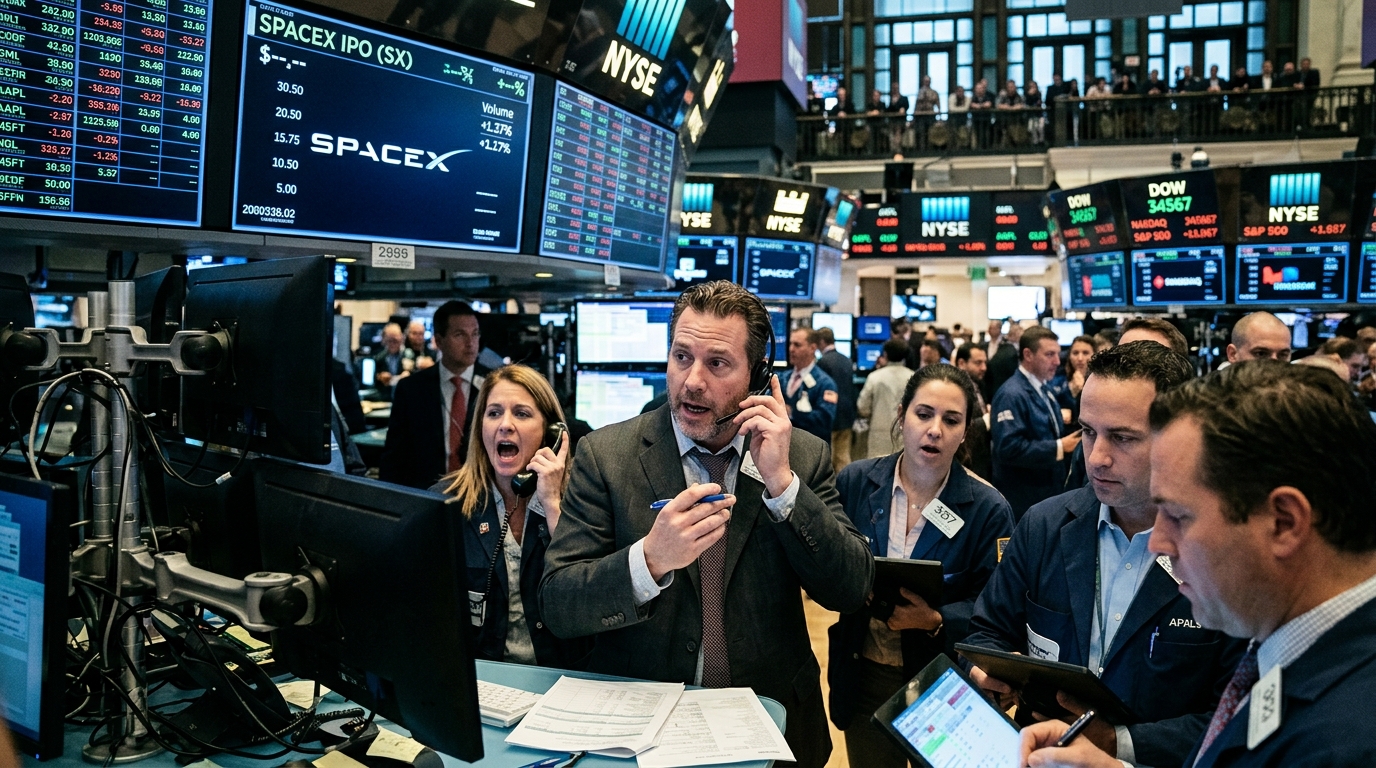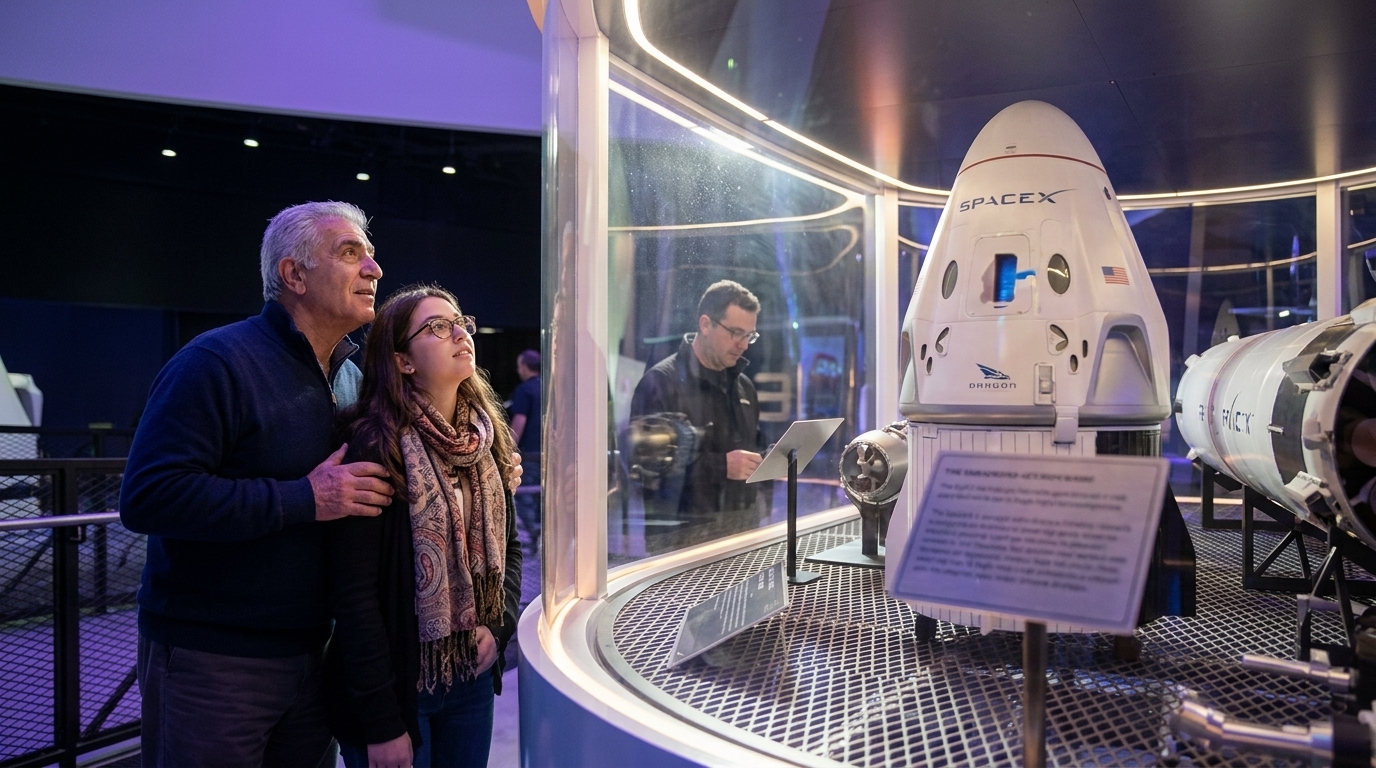
The recent gathering of investors at JPMorgan's headquarters in New York, hosted by Jamie Dimon, was not your typical financial briefing. It was an acknowledgment of a new reality: SpaceX, Elon Musk's aerospace company, has ceased to be viewed as a risky bet and has transformed into what many call a 'once-in-a-generation opportunity.' As its valuation approaches $200 billion on the secondary market, the conversation is shifting from whether the company can survive to how deeply it will impact the global economy.
The Starlink Phenomenon: The Cash Engine
For many years, the primary argument against SpaceX was its lack of consistent cash flow. Rocket launches, while impressive, carry high costs and limited profit margins. All that changed with Starlink. The satellite internet service is not just a supplement to the company's activities; it is its financial engine. With millions of subscribers worldwide and contracts with governments and military organizations, Starlink provides the necessary liquidity to fund Musk's more ambitious goals.
Investors at the JPMorgan event emphasized that Starlink creates a 'moat' around the company. SpaceX's ability to launch its own satellites using its own reusable rockets gives it an unimaginable cost advantage over any competitor. While Amazon with Project Kuiper and Europe’s Eutelsat try to catch up, SpaceX has already occupied the most prime orbits and established its presence in remote areas where traditional telecommunications fail to reach.
Starship: The Transportation Revolution
If Starlink is the present, Starship is the future that both terrifies and excites the market. The massive rocket, currently in its testing phase, promises to reduce the cost of transporting cargo into space by 90% or more. This isn't just about sending humans to Mars. It's about creating a new industrial revolution in Low Earth Orbit (LEO).
"When the cost of access to space falls below a critical threshold, sectors like pharmaceutical manufacturing in microgravity, asteroid mining, and space-based solar power stations become economically viable," noted one attendee at the event.
SpaceX's dominance is such that NASA now relies almost exclusively on it to transport astronauts to the International Space Station. The failure of traditional giants like Boeing to deliver reliable solutions has left SpaceX in a position of de facto monopoly in the US launch market.
Geopolitics and Risks
However, investing in SpaceX is not without risks. Elon Musk's personality and his increasing involvement in the US political scene are a double-edged sword. The US government's dependence on a private company for critical national security infrastructure causes concern in some Washington circles. Furthermore, SpaceX remains a private company, meaning financial transparency is limited, and stock liquidity depends on periodic funding rounds or secondary sales.
Despite the concerns, the conclusion from JPMorgan was clear: SpaceX is no longer valued as an aerospace company, but as a technological infrastructure company analogous to Google or Microsoft in their early days. For investors who have access, the question is not whether the price is high, but whether they can afford to stay out of humanity's next great frontier.
The Future of the Space Economy
Morgan Stanley estimates that the global space economy could exceed $1 trillion by 2040. In this scenario, SpaceX is not just a player, but the architect of the system. Its ability to innovate at a pace reminiscent of Silicon Valley, rather than the sluggish bureaucracy of traditional aerospace, makes it unique. Investors see in SpaceX the opportunity to participate in something that happens once a century: the expansion of economic activity beyond the limits of our planet.