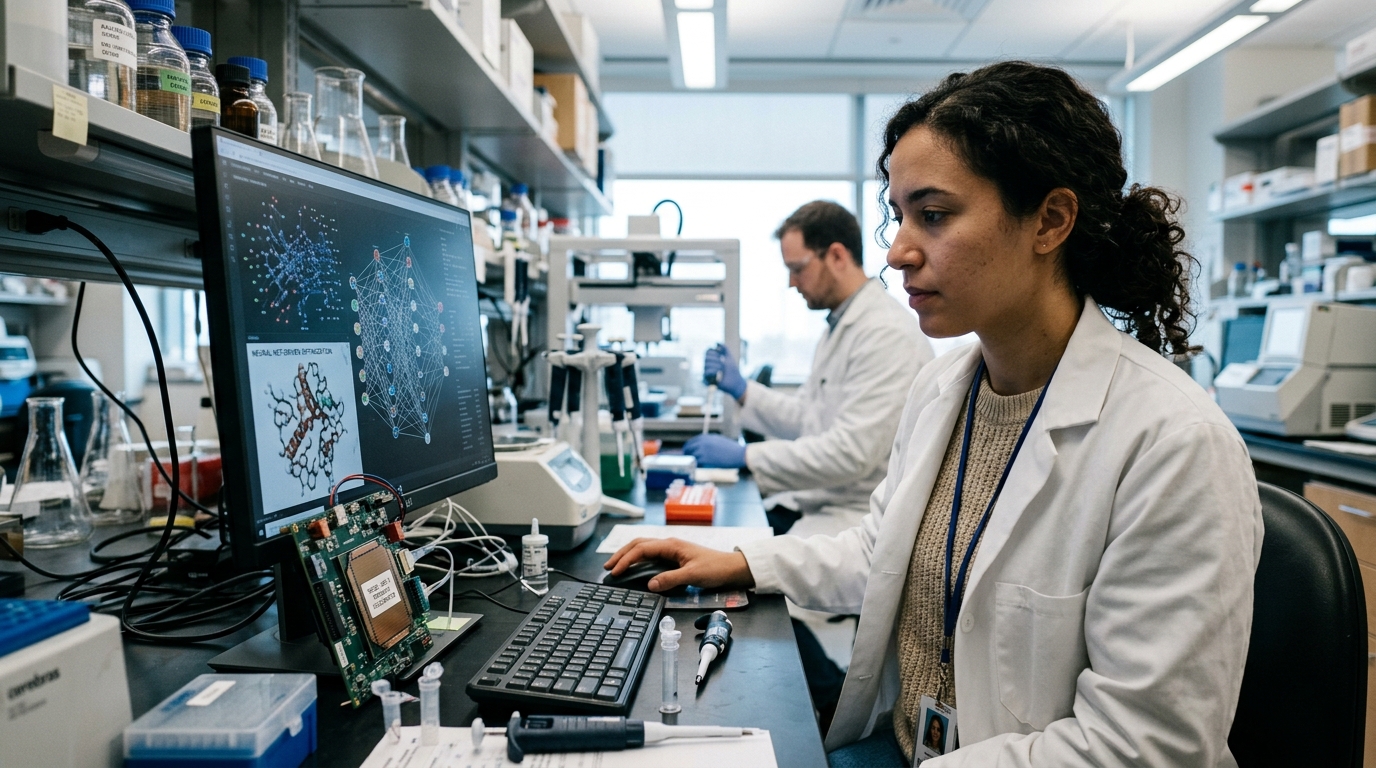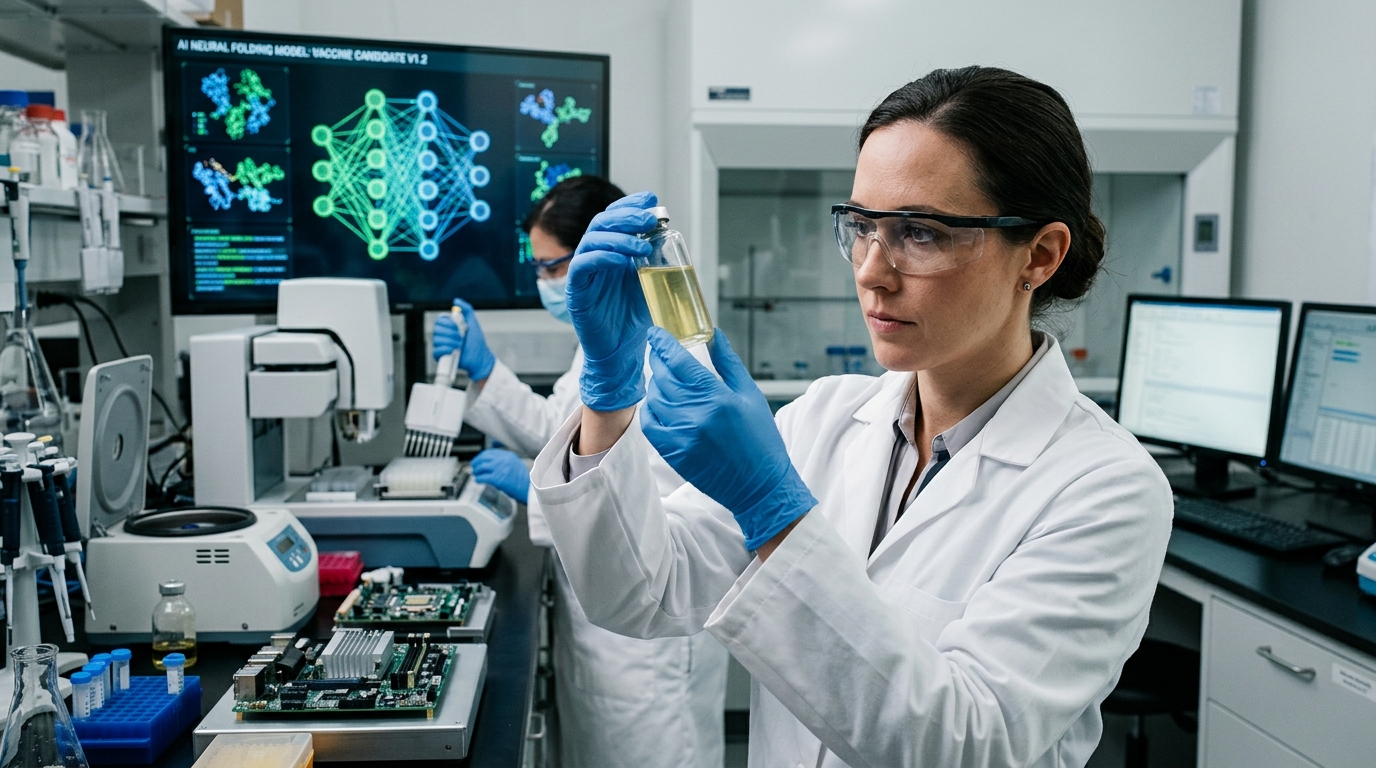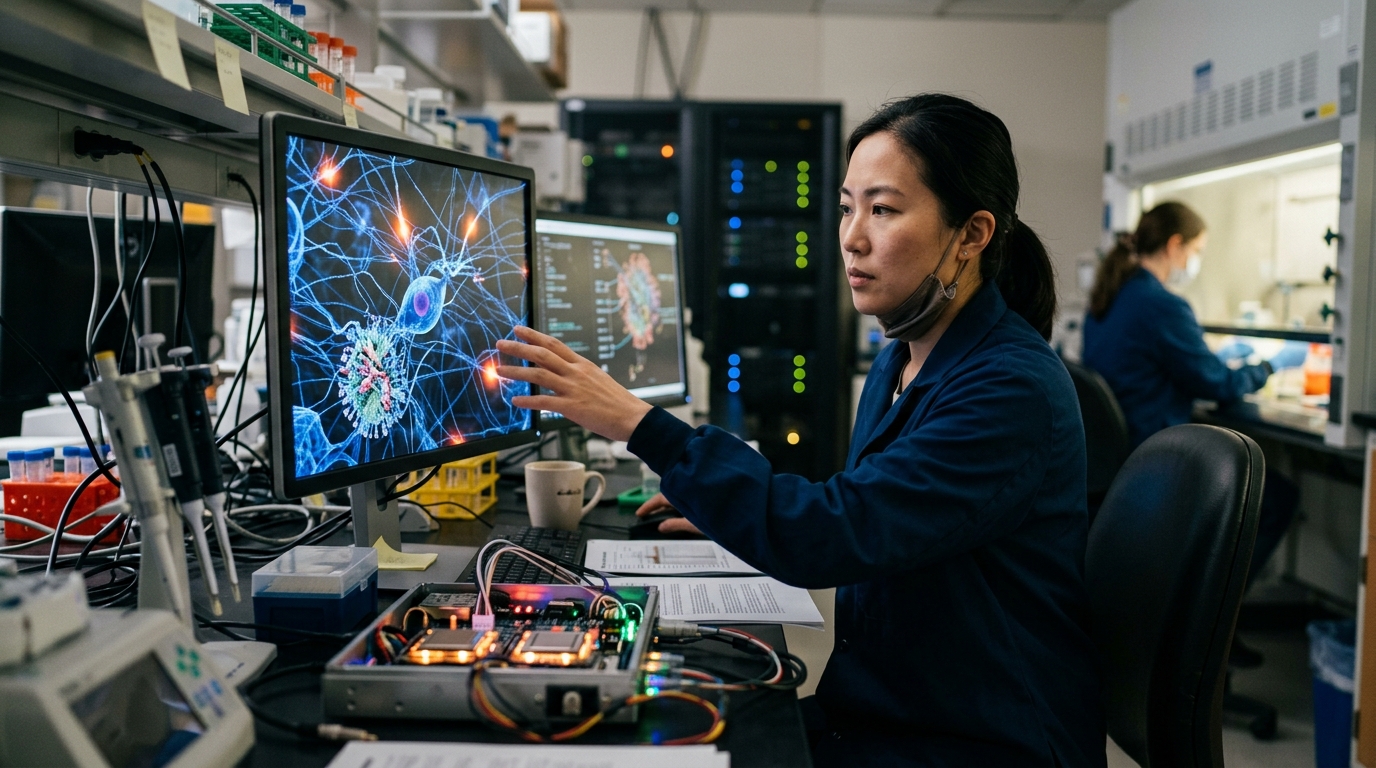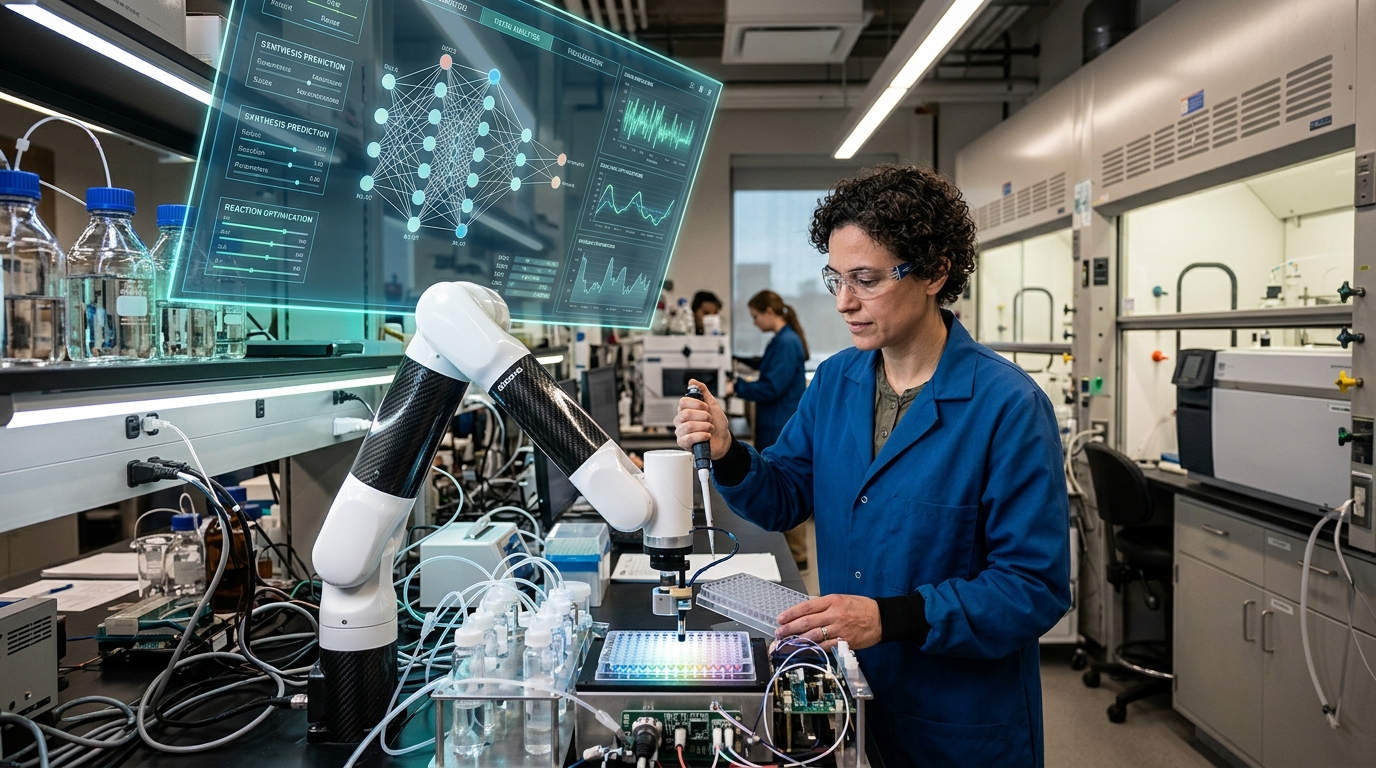
For centuries, scientific progress was anchored in the slow, painstaking, and often serendipitous process of trial and error. A scientist would formulate a hypothesis, spend weeks in the lab mixing chemicals, record the results, and then refine their theory. Today, this linear process is giving way to something radically different: the "self-driving lab." As artificial intelligence (AI) converges with robotics, we are witnessing a revolution where machines do not merely follow instructions but design and execute their own sequences of experiments, learning from every failure in real-time.
The Rise of the Closed-Loop System
At the heart of this evolution lies the concept of the "closed-loop." In a traditional automated lab, a robot might move hundreds of samples, but a human must still analyze the data and decide on the next step. In the new systems being developed at institutions like Carnegie Mellon and the University of Toronto, AI takes on the role of the orchestrator. The algorithm uses a technique called "active learning" to predict which experiment will yield the most valuable information.
Imagine the search for a new battery material. There are millions of possible combinations of chemical elements. A human would take a lifetime to test a fraction of them. The AI-powered robot, however, can test ten combinations in the morning, analyze the results by noon, and, based on those findings, select the next ten most promising combinations for the afternoon. This continuous feedback loop allows machines to "map" the chemical universe at speeds that were unimaginable a decade ago.
From Pharmacology to Climate Change
The applications of this technology span every scientific discipline. In pharmaceuticals, drug discovery is a process that typically costs billions and takes over a decade. Autonomous labs can shrink this timeline significantly, identifying disease-fighting molecules before a researcher even picks up a pipette. In materials science, researchers are using AI to discover new catalysts that can capture carbon dioxide from the atmosphere or create more efficient solar panels.
"This isn't just about automation; it's about the acceleration of thought itself," say industry experts. "The robot doesn't get tired, it doesn't have biases about which experiment 'should' work, and it can operate 24/7."
However, this transition is not without its hurdles. Building these systems requires massive capital and a rare convergence of skills: chemistry, software engineering, and robotics. Furthermore, there is the issue of "interpretability." If an AI discovers a revolutionary material, but scientists cannot understand the underlying physics or chemistry behind its success, our fundamental knowledge remains superficial.
Ethics and Safety in the Autonomous Lab
As robots become more capable, serious questions about safety and security arise. The same technology that can discover a cure for cancer could, in the wrong hands or through faulty programming, synthesize new toxins or biological weapons. The scientific community is already engaged in a dialogue about creating "digital guardrails" to prevent AI from experimenting with hazardous substances without explicit human approval.
Finally, there is the human dimension. Will robots replace scientists? The prevailing view is that the role of the scientist will evolve. Rather than being consumed by repetitive manual tasks, the researcher of the future will act as a "strategic director," posing the big questions and guiding the AI toward the most ethical and socially beneficial objectives. Science remains a deeply human endeavor, but it now possesses an engine that can drive it to places that were once the sole province of imagination.