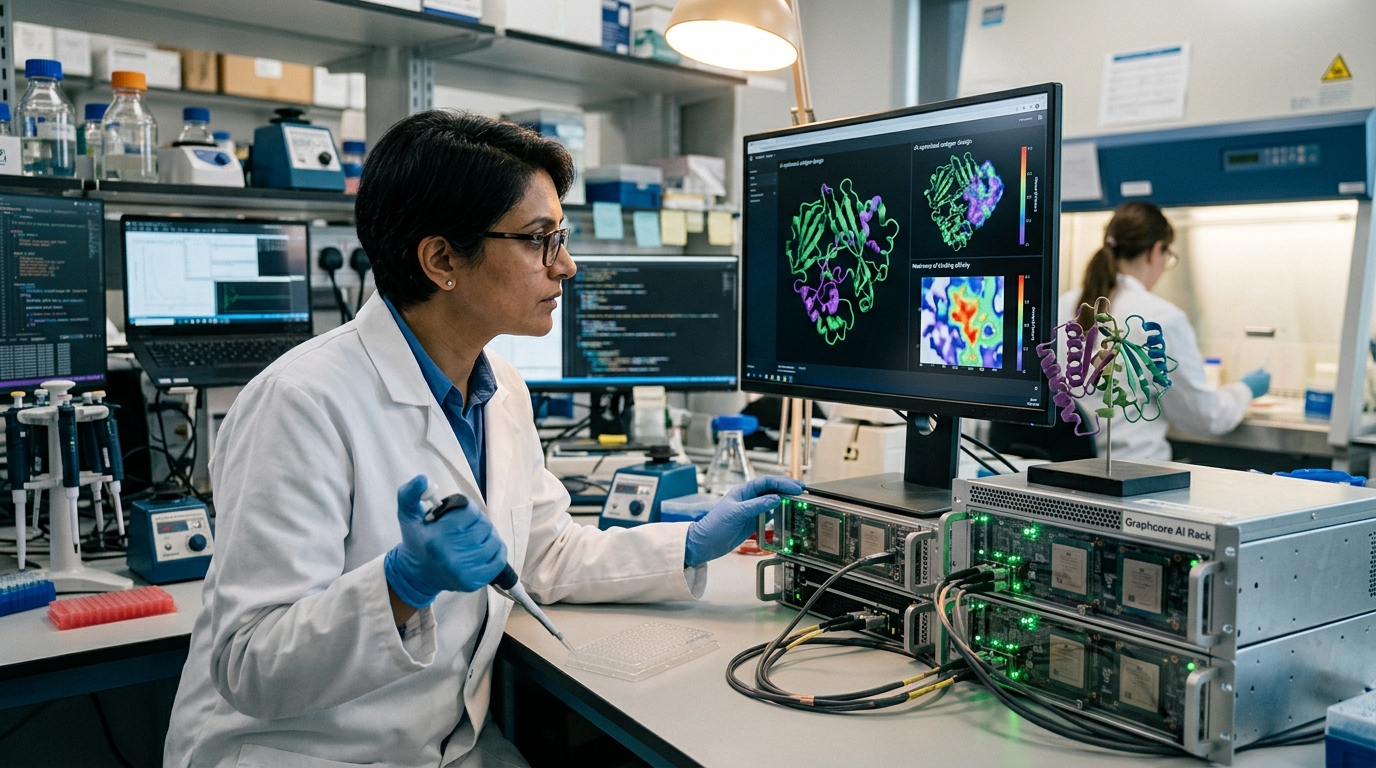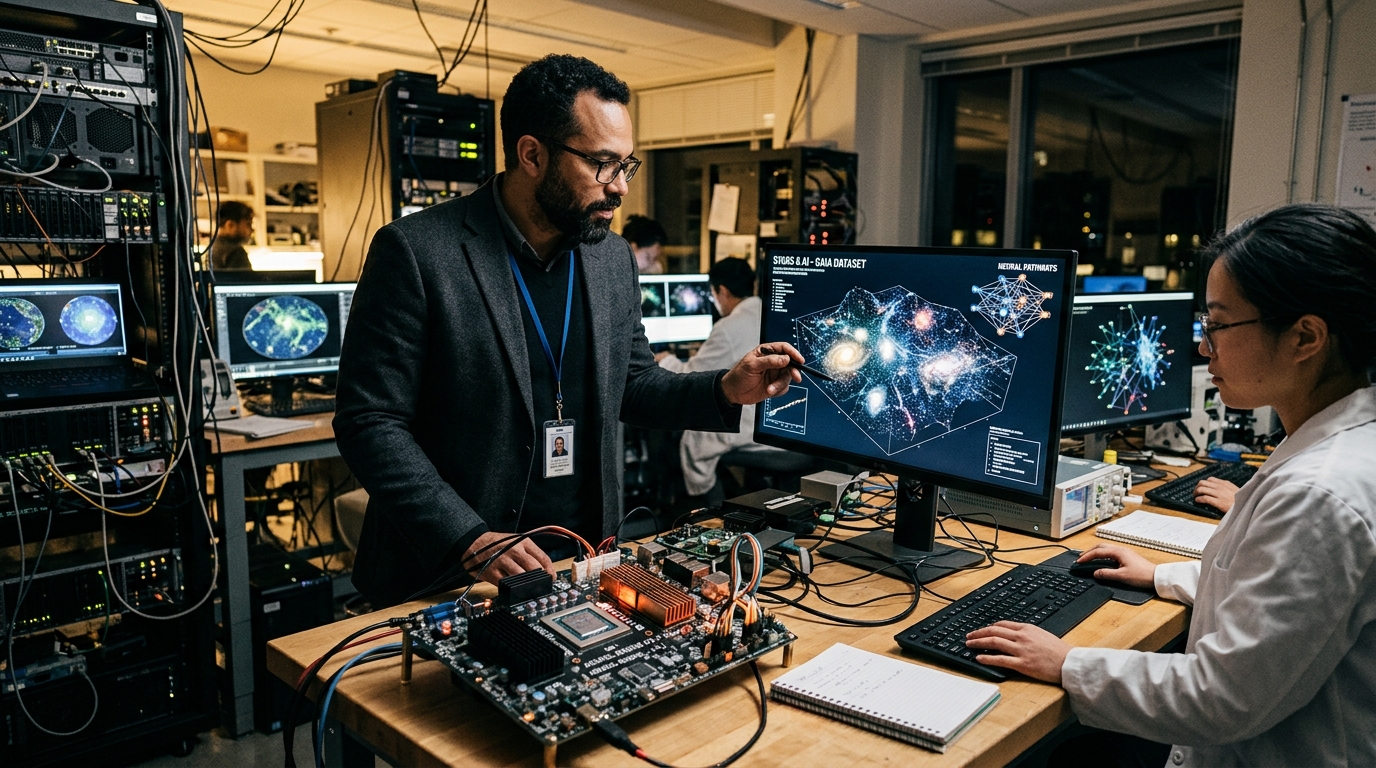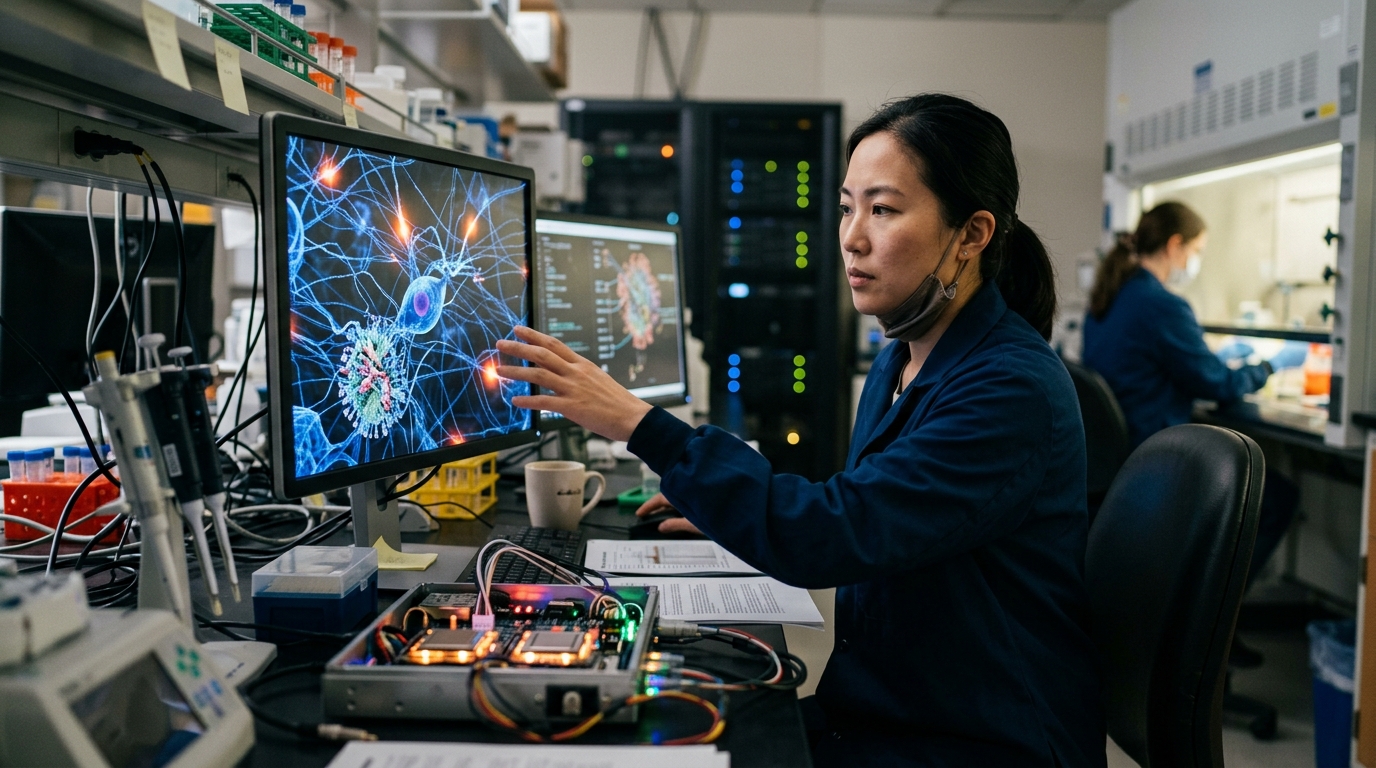
Humanity is standing on the threshold of a medical revolution that could render future pandemics mere footnotes in history. The convergence of generative artificial intelligence and structural biology has recently led to an achievement that, until a decade ago, seemed like science fiction: the design of vaccines that do not merely target a specific strain of a virus, but entire viral families, including those that have yet to cross over to humans.
The Shift from Reaction to Prevention
Traditionally, vaccine development has been a reactive process. Scientists waited for a pathogen to emerge, isolated it, and then attempted to develop a defense based on its specific characteristics. Even with mRNA technology, which dramatically accelerated response times during the COVID-19 pandemic, we remained locked in a perpetual race against mutations. Artificial Intelligence is changing the rules of the game.
Using advanced machine learning algorithms, such as those developed by the Institute for Protein Design, researchers can now analyze thousands of viral variants simultaneously. AI identifies the "invariant" regions—the Achilles' heels that remain the same across entire viral families, such as coronaviruses or influenza viruses. These regions are typically critical for the virus's survival, meaning the virus cannot mutate them without self-destructing.
The Computational Scaffolding of New Vaccines
The process, known as de novo protein design, allows scientists to construct artificial proteins that do not exist in nature. These proteins act as "scaffolds" that present the critical segments of multiple viruses to the immune system at once. Instead of the body learning to recognize only the spike protein of SARS-CoV-2, it is trained to recognize the structural motif shared by all sarbecoviruses.
- Nanoscale Precision: AI calculates the optimal geometry for antigen attachment, maximizing the immune response.
- Adaptability: Algorithms can predict potential future mutations and incorporate them into the design before they appear in nature.
- Stability: Computationally designed vaccines are often more resistant to temperature fluctuations, facilitating distribution in developing nations.
"We are no longer trying to chase the next virus. We are trying to build a wall that no virus in this family can jump over," researchers in the field aptly state.
Beyond COVID-19: Influenza and HIV
While public attention remains focused on coronaviruses, the true promise of this technology lies in tackling seasonal flu and HIV. Influenza mutates so rapidly that vaccines must be redesigned every year, often with limited efficacy. A "pan-flu" vaccine, designed by AI, could provide protection for decades with a single dose.
In the case of HIV, a virus that has evaded every vaccination attempt for 40 years due to its incredible ability to disguise itself, AI offers new hope. It can map the extremely rare moments when the virus exposes its vulnerable points during infection and design a protein that "locks" the immune system onto those exact targets.
Ethical and Social Challenges
Despite the excitement, the transition to an era of AI-designed vaccines is not without challenges. Public trust is the most significant hurdle. The idea that an algorithm "created" something injected into the human body may provoke skepticism or even fear. Furthermore, the issue of intellectual property arises: who owns the rights to a protein designed by a machine?
Additionally, the geopolitical dimension cannot be ignored. Access to such advanced technology could widen the gap between wealthy and poor nations, with countries possessing computational power controlling global health security. The scientific community and regulatory bodies, such as the EMA and FDA, must develop new evaluation frameworks that keep pace with the speed of technological evolution.
Conclusion
The use of Artificial Intelligence in vaccine creation marks the end of the era of "blind" biological trial and error. We are moving into the era of precision biological engineering. Although the road to widespread clinical application remains long, the foundation has been laid. The next pandemic may not be met with lockdowns and closed borders, but with a code written on a supercomputer and translated into a life-saving protein.