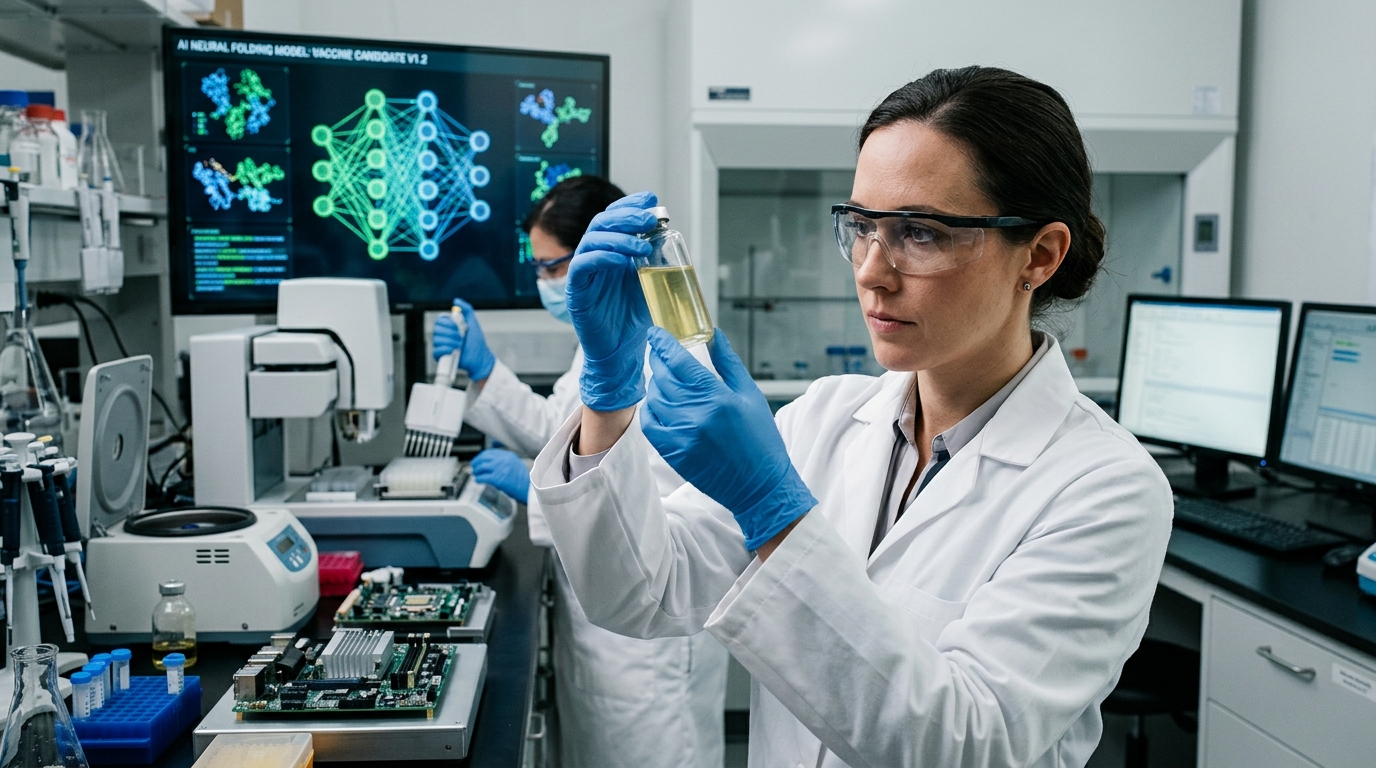
June 5, 2026, will likely be recorded in medical annals as the day when silicon definitively merged with biology in its most critical field: disease prevention. The news that the first vaccine designed entirely by Artificial Intelligence (AI) algorithms is now entering human clinical trials is not merely a technological feat; it is a radical paradigm shift in how we approach pharmaceutical research.
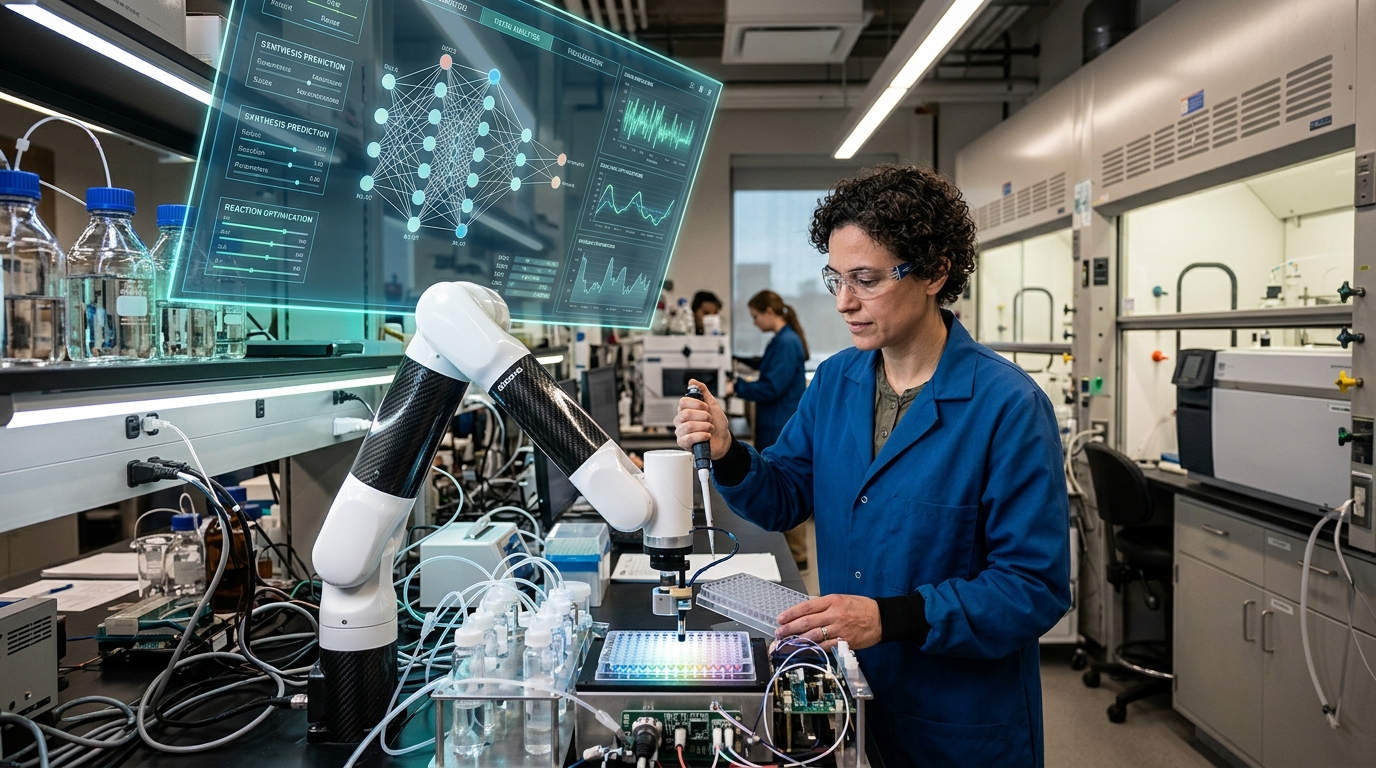
Traditionally, vaccine development required five to ten years, involving countless laboratory trials to identify the appropriate antigen to trigger the desired immune response. Today, computational biology, bolstered by sophisticated deep learning models, has managed to compress this process into a few months, offering solutions that the human mind would struggle to conceive through classical trial-and-error methods.
The Architecture of Life via Algorithms
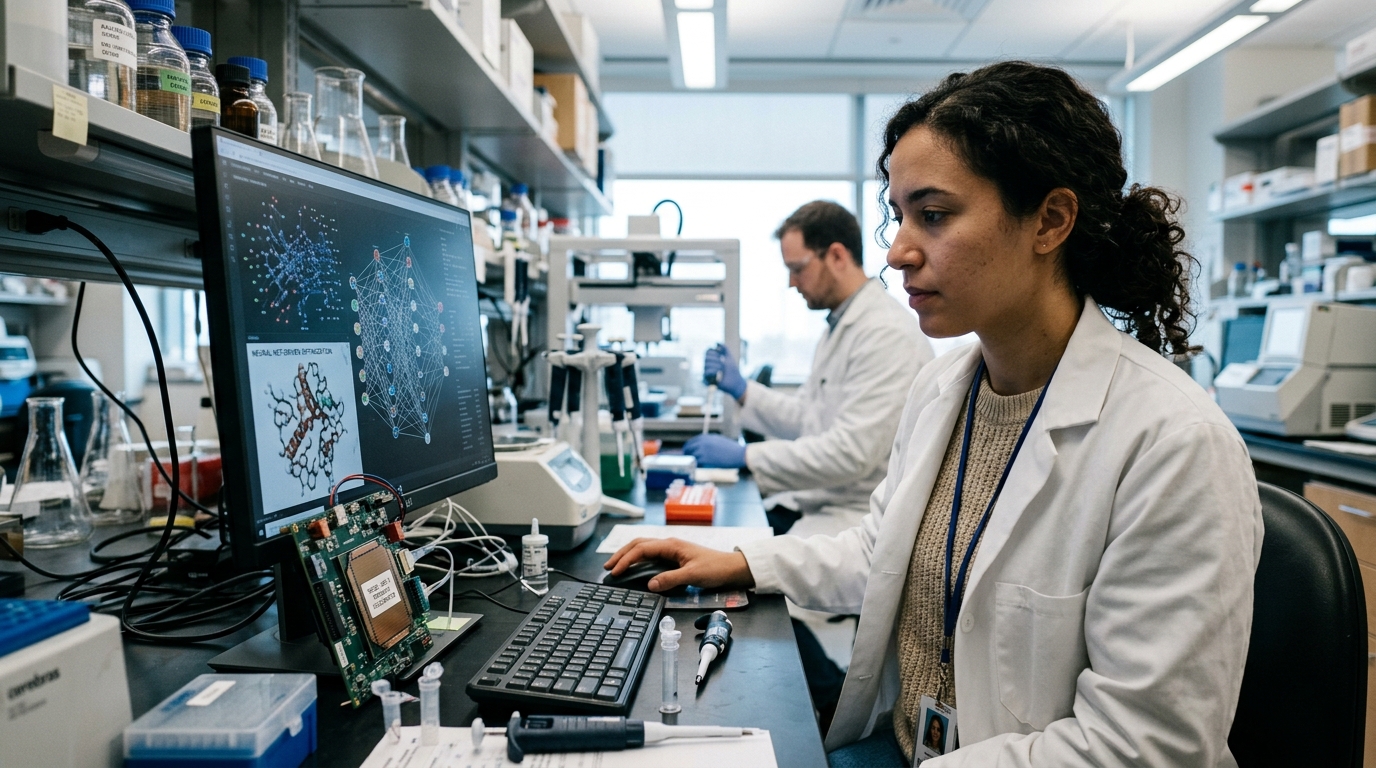
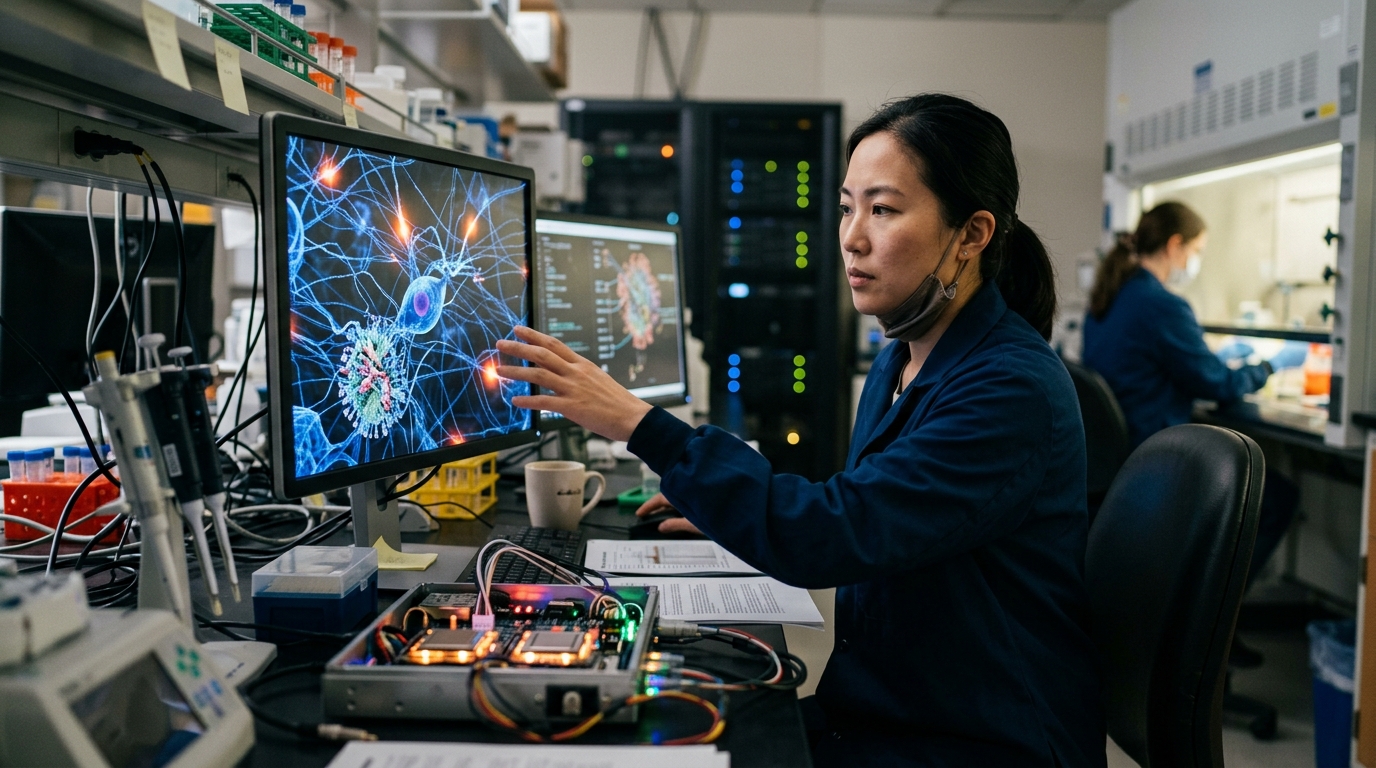
The vaccine, which targets a highly mutated strain of the influenza virus or, in other cases, personalized cancer neoantigens, was not discovered by chance. It was designed 'in silico'—within a computer. Algorithms analyzed billions of potential protein structure combinations to identify the one protein that is most stable and capable of 'training' the human immune system effectively.
The use of models like AlphaFold and its successors has allowed scientists to predict with atomic precision how vaccine proteins will fold. This eliminates a vast portion of the uncertainty that has characterized biotechnology until recently. AI is no longer functioning as a simple data-processing assistant but as a creative molecular architect.
From the Lab to Clinical Practice
The commencement of clinical trials represents the 'crash test' for AI's reliability. Study participants will be closely monitored to determine if the theoretical superiority of the design translates into real-world protection and, crucially, safety. The major question regulatory bodies like the EMA and FDA must answer is whether traditional oversight mechanisms are sufficient to evaluate drugs generated by algorithmic 'black boxes.'
However, the benefits are already visible. The ability to rapidly readjust a vaccine's design in the event of a new pandemic means humanity may never find itself unprepared again. Furthermore, development costs are dropping dramatically, which could theoretically lead to more affordable medicines for developing nations, though patent policies remain a thorny issue.
Challenges and Ethical Dilemmas
Despite the excitement, the bioethics community is sounding the alarm. Dependence on AI for creating biological agents raises questions regarding the intellectual property of life itself. Who owns the rights to a protein that did not exist in nature and was designed by a machine? Additionally, there is the fear of 'dual-use,' where the same technology that designs vaccines could be repurposed to create new, more resistant pathogens.
The transparency of AI training data is critical. If algorithms are trained on biased data (e.g., data from only specific ethnic groups), the resulting vaccine may not be equally effective for the entire global population. The medicine of the future, therefore, requires not just better code, but a stricter ethical framework.
Conclusion: A New Era for Humanity
The entry of the first AI-designed vaccine into clinical trials marks the end of the era of 'empirical' medicine and the beginning of 'predictive and design-based' medicine. If these trials prove successful, we will be discussing a revolution comparable to the discovery of antibiotics. Artificial Intelligence is proving it can be humanity's ultimate ally in the battle against decay and disease, provided it remains under the control of reason and humanitarian ethics.