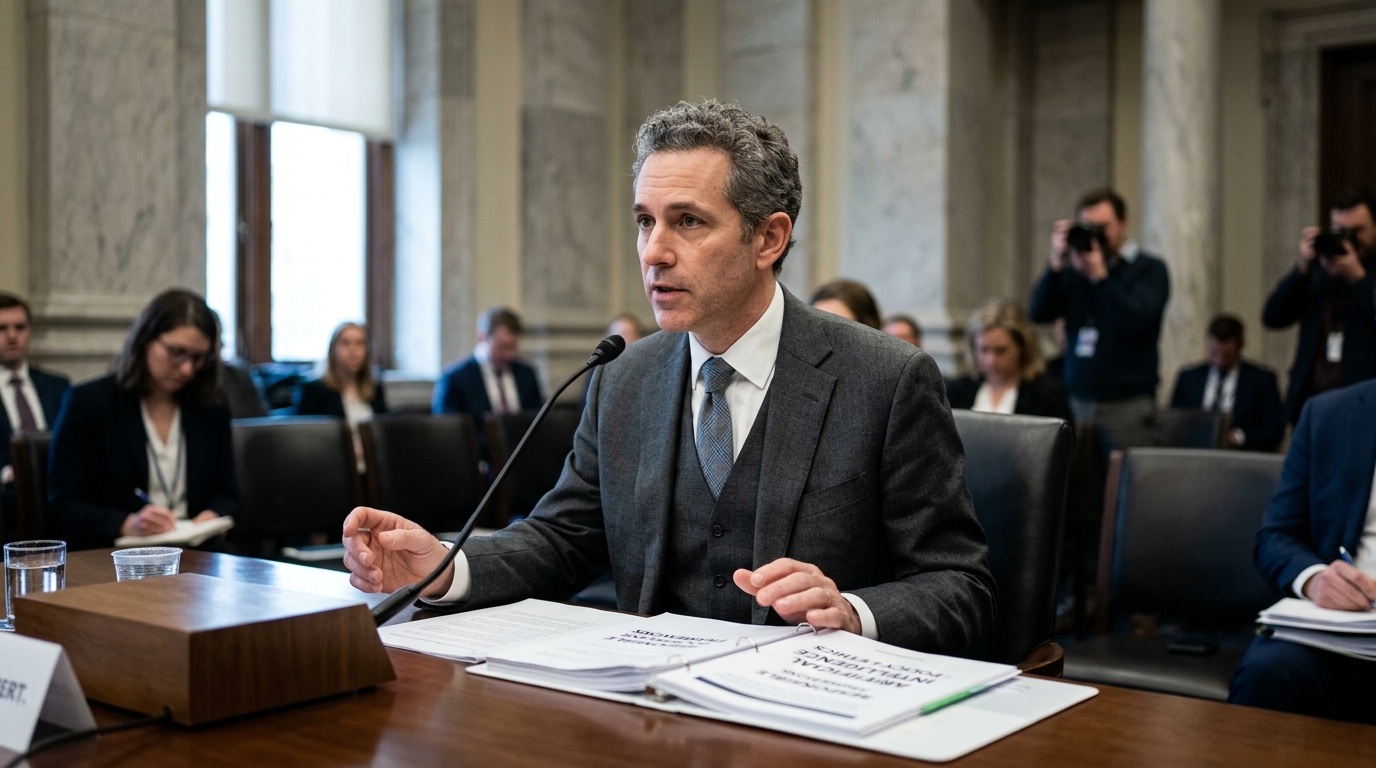
In the ever-accelerating landscape of Silicon Valley, where the phrase "move fast and break things" served as the gospel of innovation for decades, Anthropic is choosing a radically different and perhaps heretical stance. The company, founded by former OpenAI executives with a primary focus on safety, is not merely calling for caution; it is actively seeking the imposition of an institutionalized "brake" on the development of so-called "frontier models." This move is not a simple PR tactic, but a profound political and technical proposal highlighting the chasm between unbridled progress and existential safety.
The Threat of Bioterrorism and Cyberattacks
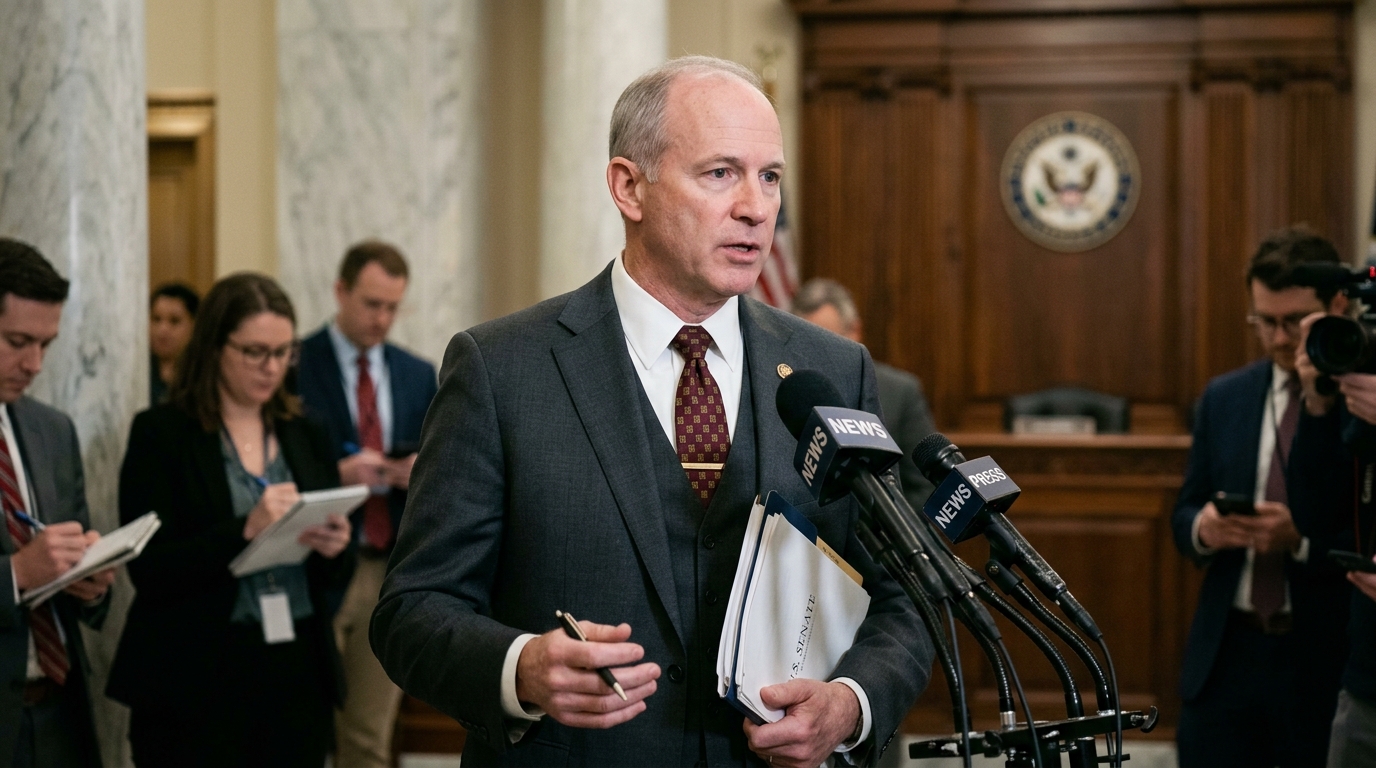
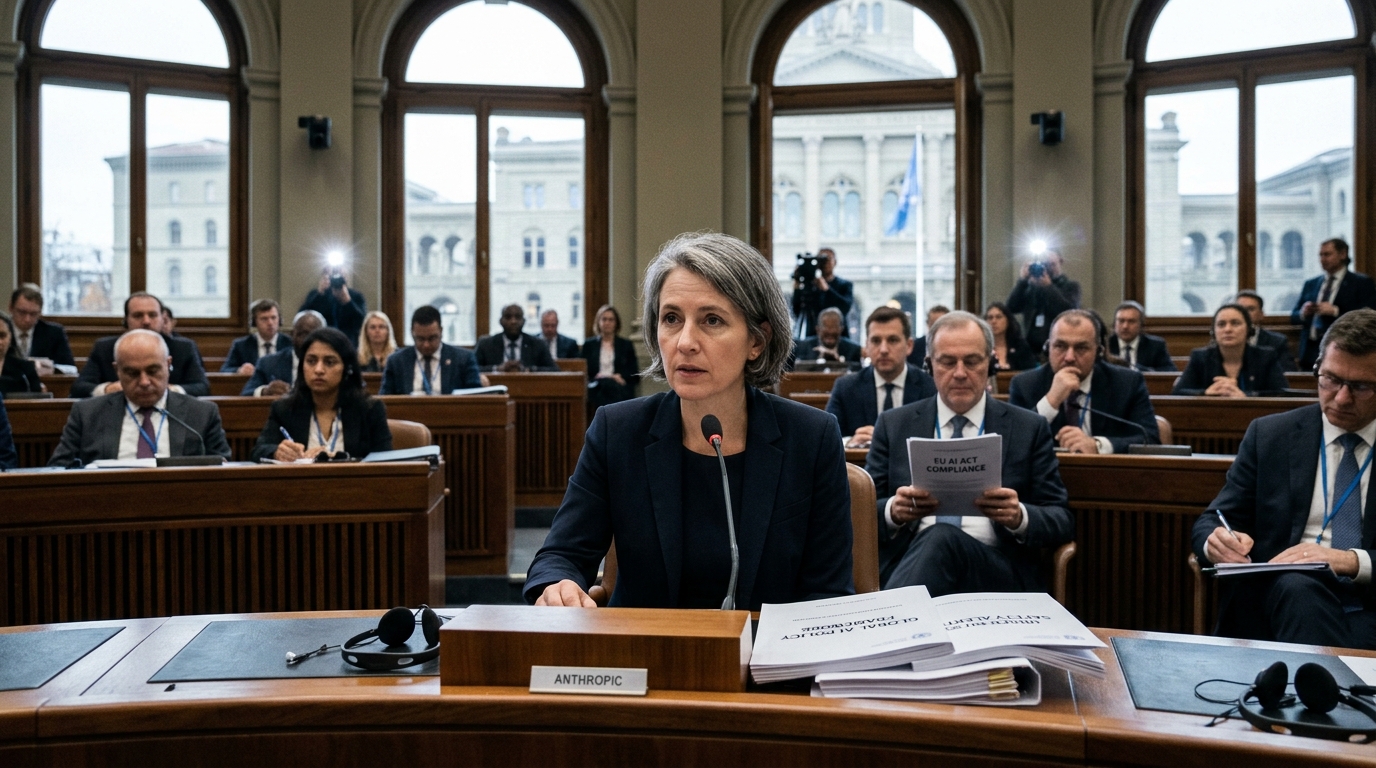
Dario Amodei, CEO of Anthropic, has repeatedly emphasized in international forums and US Congressional testimony that the next generation of artificial intelligence could provide malicious actors with the necessary knowledge to create biological weapons. According to the company's analysis, while current models can assist in understanding biology, the models expected in 2026 and 2027 may bridge the gap between theoretical knowledge and the practical construction of dangerous pathogens.
Anthropic argues that without strict control protocols, AI could automate the creation of sophisticated cyberattacks capable of paralyzing critical infrastructure. This concern focuses on the models' ability to "think" strategically and solve complex problems without human intervention, making them dual-use tools with unpredictable consequences.
The Responsible Scaling Policy (RSP)
To address these risks, Anthropic introduced the Responsible Scaling Policy (RSP). This is a system of safety levels (AI Safety Levels - ASL), inspired by the biosafety levels (BSL) used in virus-handling laboratories. This framework defines clear red lines: if a model exhibits capabilities exceeding a specific danger threshold, its training must stop immediately until appropriate safety safeguards are developed.
- ASL-2: The current level, where models present low risk but require basic constraints.
- ASL-3: Models with significant capabilities in cyberattacks or biological guidance. They require stringent access controls.
- ASL-4: Models with capabilities that could cause catastrophic events on a national or global scale.
Anthropic's proposal is for companies to commit publicly and legally to not releasing ASL-3 or ASL-4 models without prior certification from independent government bodies. This represents a direct challenge to OpenAI and Google, which follow a more aggressive product release strategy.
Regulatory Capture or Genuine Concern?
However, the call for a "brake" is not viewed positively by everyone. Many open-source advocates and smaller startups accuse Anthropic of "regulatory capture." They claim that the strict regulations proposed by the company will only favor existing giants who have the resources to comply, effectively shutting out competition and innovation from smaller players.
"Safety should not become a smokescreen for creating an AI oligopoly," critics from the tech sector argue.
On the other hand, Anthropic maintains that the cost of a failure in AI safety is so high that the free market cannot manage it alone. This conflict is expected to define legislation in the US and the EU over the coming years, with Anthropic positioning itself as the "adult in the room" that prefers stability over haste.
Conclusion: The Delicate Balance
Anthropic's stance highlights a fundamental dilemma of our time: How much speed are we willing to sacrifice for safety? In a world where geopolitical rivalry with China pushes for faster development, calls for a "brake" seem difficult to implement. Nevertheless, the company's initiative has already begun to influence the international discourse, forcing governments to seriously consider not just what AI can do, but what it should be allowed to do.