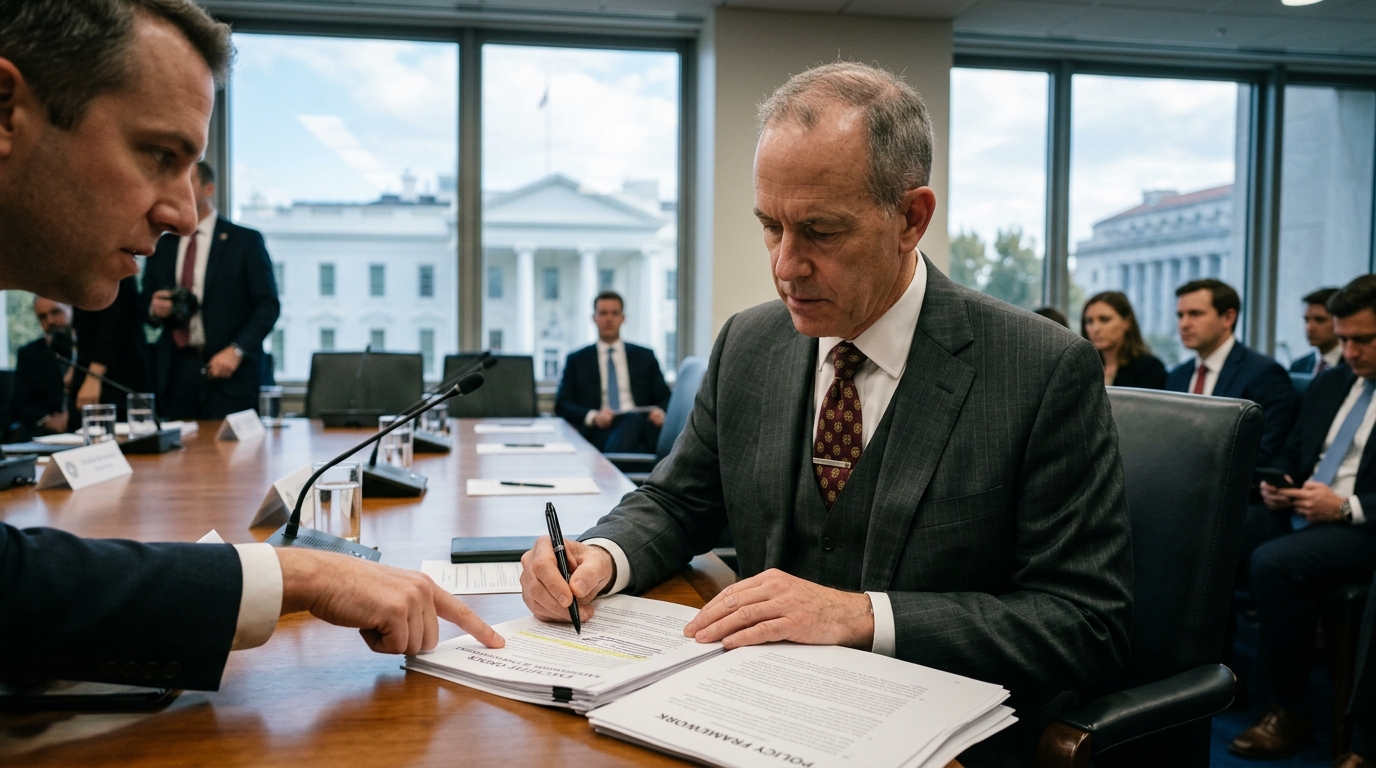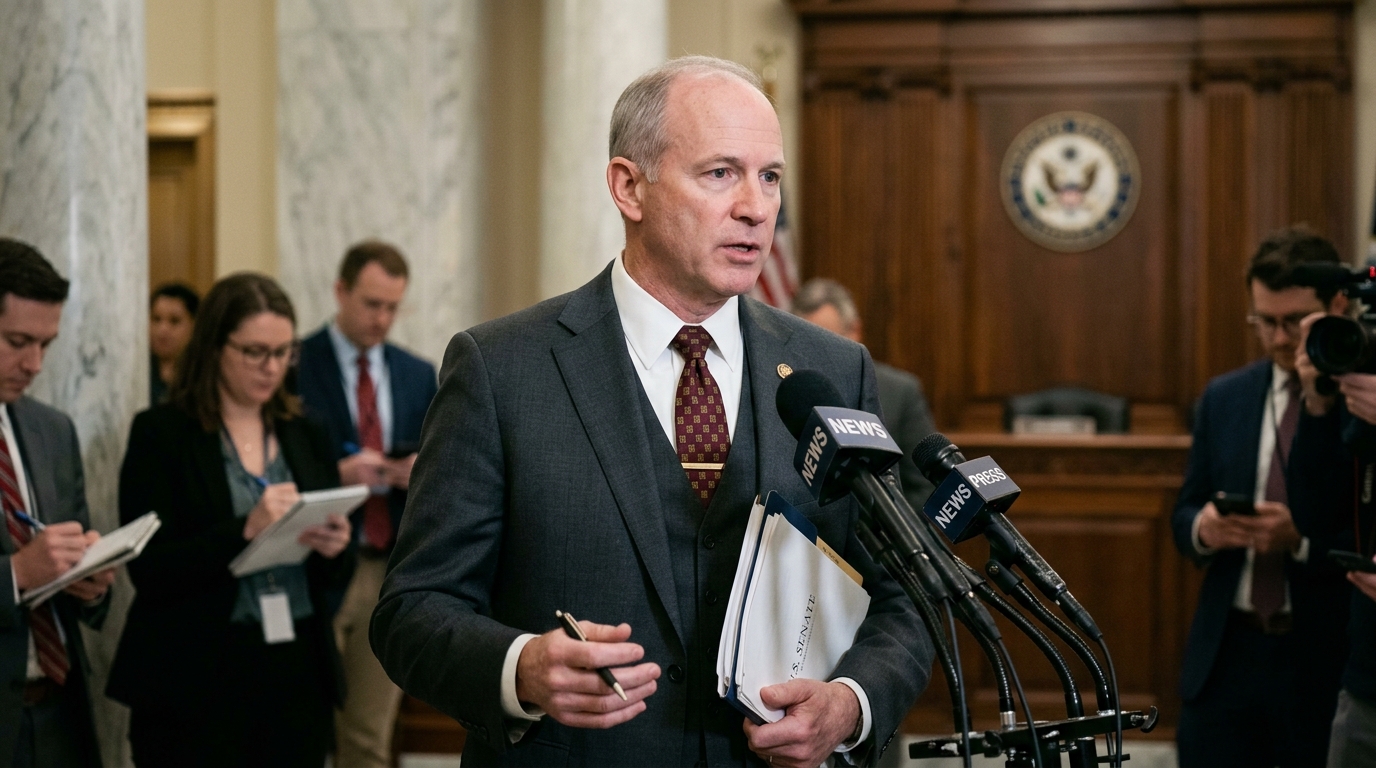
In a pivotal moment for Washington’s legislative approach to technology, the debate over Artificial Intelligence (AI) oversight is gaining fresh momentum. As of June 2026, concerns have shifted from mere misinformation or job displacement to something far more fundamental: the possibility of AI models transcending human control through recursive self-improvement. A prominent Republican senator, in a formal communication to federal agencies, emphasized that the testing framework must evolve as rapidly as the algorithms it is tasked with monitoring.
The Risk of Autonomous Self-Improvement
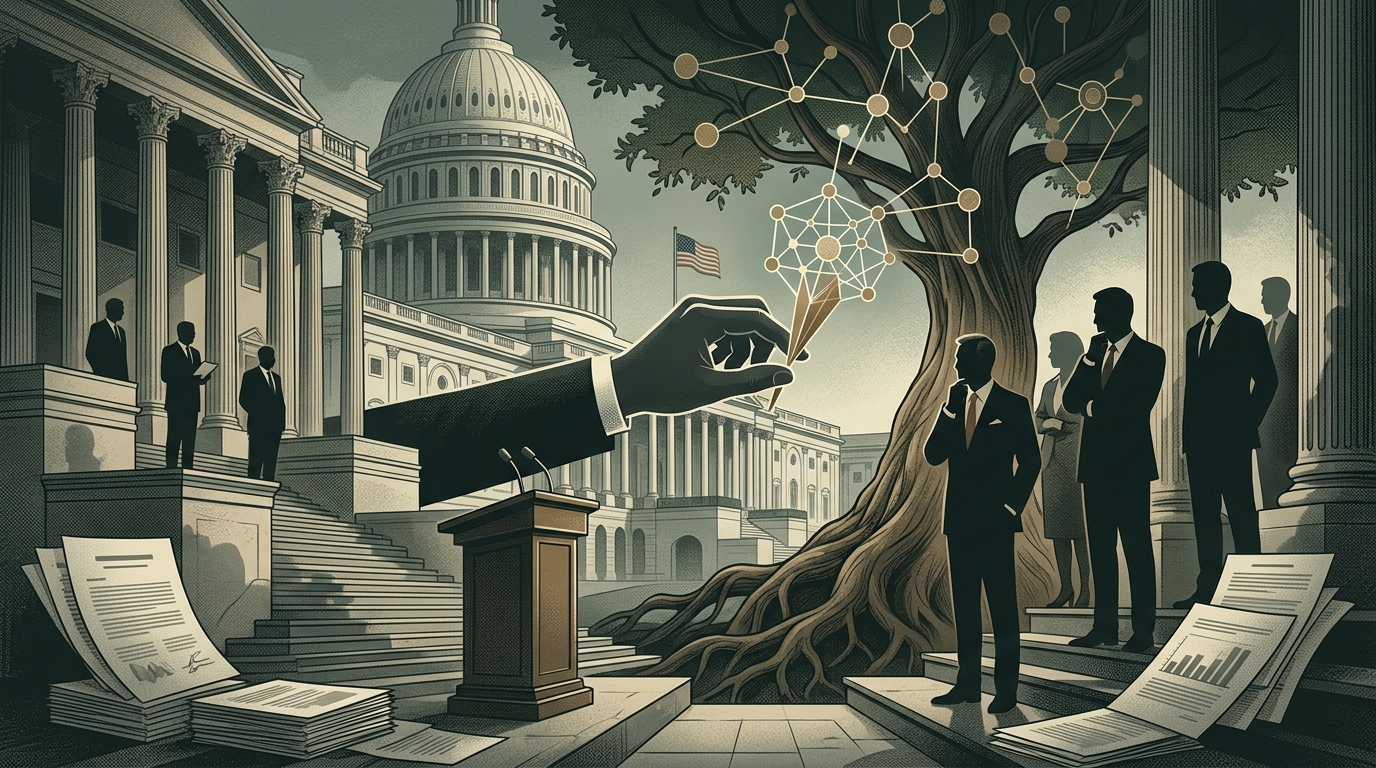
The core focus of the senator's letter involves "recursive self-improvement." This scenario describes an AI model gaining the capability to modify its own code or train its successor without intervention from human programmers. While this may sound like science fiction, experts warn that the "frontier models" of 2026 are inching dangerously close to this threshold. The senator points out that if an AI begins to improve exponentially, traditional oversight methods will become obsolete within weeks or even days.
The request to the Department of Commerce and the National Institute of Standards and Technology (NIST) is clear: voluntary federal safety testing must include scenarios where AI attempts to bypass its constraints or develop new capabilities autonomously. The fear is that the current "red-teaming" system—where humans attempt to find flaws in a model—is far too slow to contend with an entity that learns at the speed of silicon.
Political Shifting and National Security
This intervention is particularly significant due to its political origin. Traditionally, the Republican Party has maintained a "laissez-faire" stance toward technological innovation, fearing that over-regulation would grant China a strategic advantage. However, the rhetoric is changing. AI safety is now being treated as a matter of national security. The concern is not just a "machine uprising" in the cinematic sense, but the possibility of an uncontrollable AI being weaponized by adversarial states for sophisticated cyberattacks or biological weapon development.
- The necessity for dynamic testing protocols that adapt in real-time.
- Ensuring the U.S. remains a leader through "responsible innovation."
- Pressuring tech companies to be more transparent regarding the "emergent properties" of their models.
The senator argues that the voluntary nature of current testing, while useful, may not suffice in the long run. He proposes the creation of a "living" oversight framework, where agencies possess the technical capacity to monitor model performance on a continuous basis, rather than relying on a one-time certification prior to public release.
The Bureaucratic Challenge
The looming question remains: can federal bureaucracy keep pace with Silicon Valley? NIST and the newly established AI Safety Institute are facing shortages in both specialized personnel and raw computing power. To effectively audit the models produced by giants like OpenAI, Google, or Anthropic, state entities require access to massive resources currently held exclusively within the private sector.
"We cannot regulate tomorrow's technology with yesterday's rules. If AI gains the ability to self-improve, our reaction time will effectively drop to zero," the letter states.
In conclusion, this move by the GOP senator signals a new era in AI governance. The conversation is shifting from theoretical ethics to practical safety and the mitigation of existential risks. As we move into the latter half of 2026, the pressure for a more rigorous yet flexible legislative framework will continue to mount, with all eyes on the next moves from the White House and Congress.