In a world where artificial intelligence promises to cure diseases and accelerate diagnostics, a darker side of the technology is emerging within the back offices of health insurance giants. In North Carolina, a new legislative push is highlighting a critical question: Who ultimately decides our fate? A seasoned physician or an algorithm programmed to maximize corporate margins?
The Rise of 'Black Box' Insurance Claims
For decades, the approval of medical procedures and hospital stays relied on clinical judgment. However, in recent years, industry leaders like UnitedHealth and Humana have integrated sophisticated AI tools, such as the controversial nH Predict, to evaluate coverage claims. These systems analyze massive datasets to predict how long a patient 'should' take to recover. The problem? The reality of human biology rarely conforms to statistical averages.
Complaints are skyrocketing. Patients recovering from strokes or severe fractures suddenly find themselves facing coverage denials for rehabilitation centers because an AI determined their stay is no longer 'medically necessary.' These decisions are often rendered in seconds, overriding the recommendations of the actual doctors standing at the patient's bedside.
The Legislative Counter-Strike in North Carolina
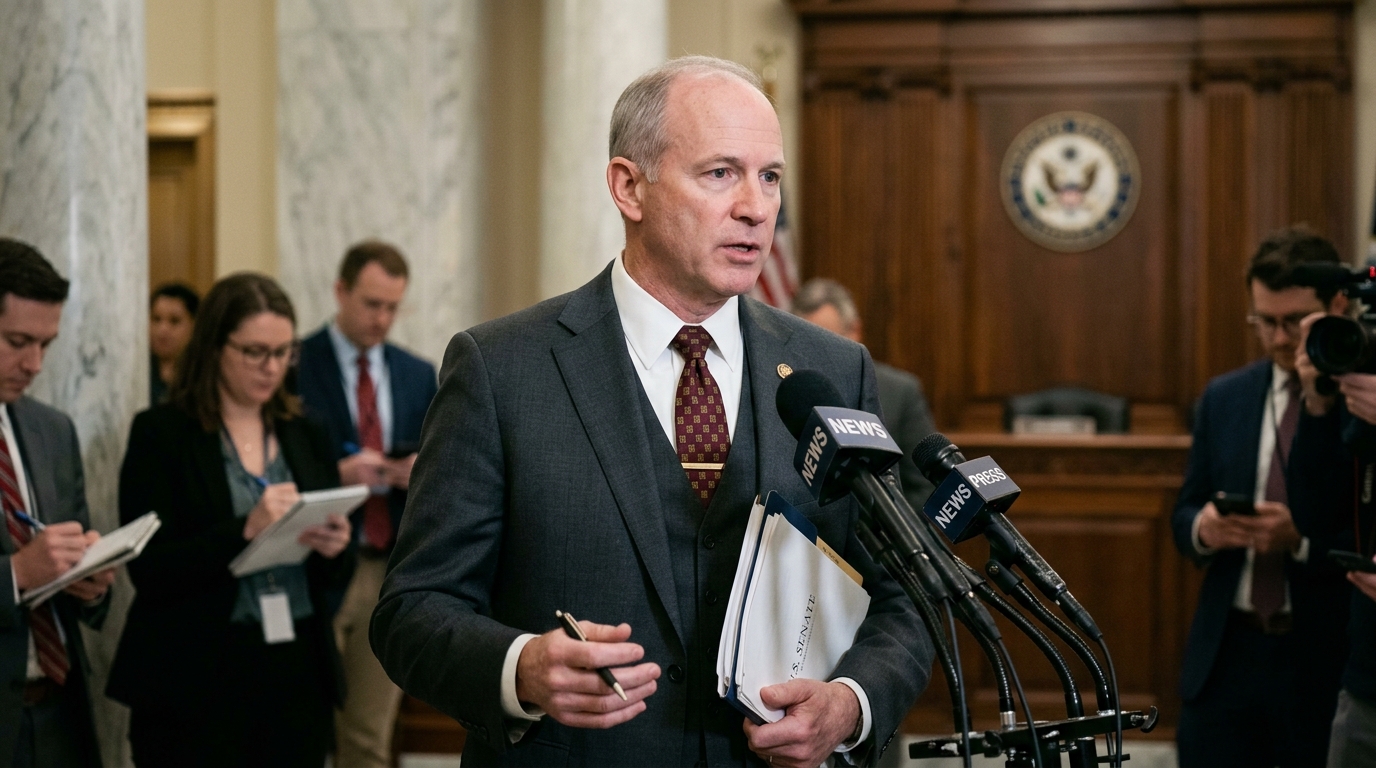
Responding to this trend, North Carolina lawmakers have introduced a bill aimed at imposing strict transparency rules. The proposal requires insurance companies to disclose when they use AI for decision-making and, most importantly, ensures that no denial of coverage can be finalized without the intervention of a human physician with a relevant specialty.
- Transparency: Companies must disclose their algorithms and the data used to train them.
- Human-in-the-Loop: Mandatory review by a doctor before any claim is rejected.
- Accountability: Patients must be given a clear, human-readable explanation for any denial.
This move is not an isolated incident. It is part of a broader wave of concern sweeping across the US and Europe. In the EU, the AI Act already classifies systems affecting access to healthcare as 'high-risk,' necessitating rigorous audits and human oversight.
The Economic Paradox and Ethical Crisis
Insurers argue that AI helps reduce administrative costs and eliminate wasteful spending, which could theoretically keep premiums lower. However, critics point out that these savings come at the expense of care quality. When an algorithm reportedly has a high error rate in its predictions, yet a company continues to use it because most patients lack the resources to appeal, we are no longer discussing technological progress, but systemic exploitation.
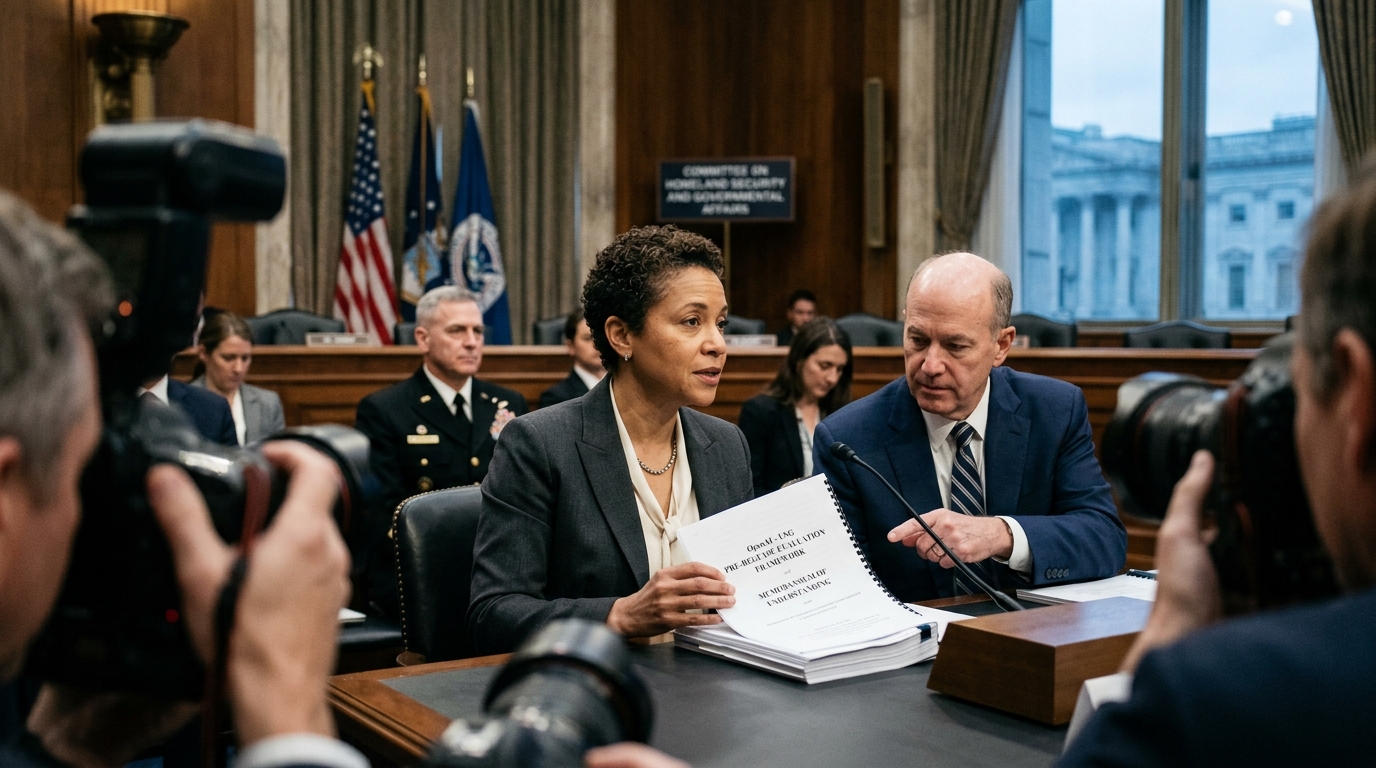
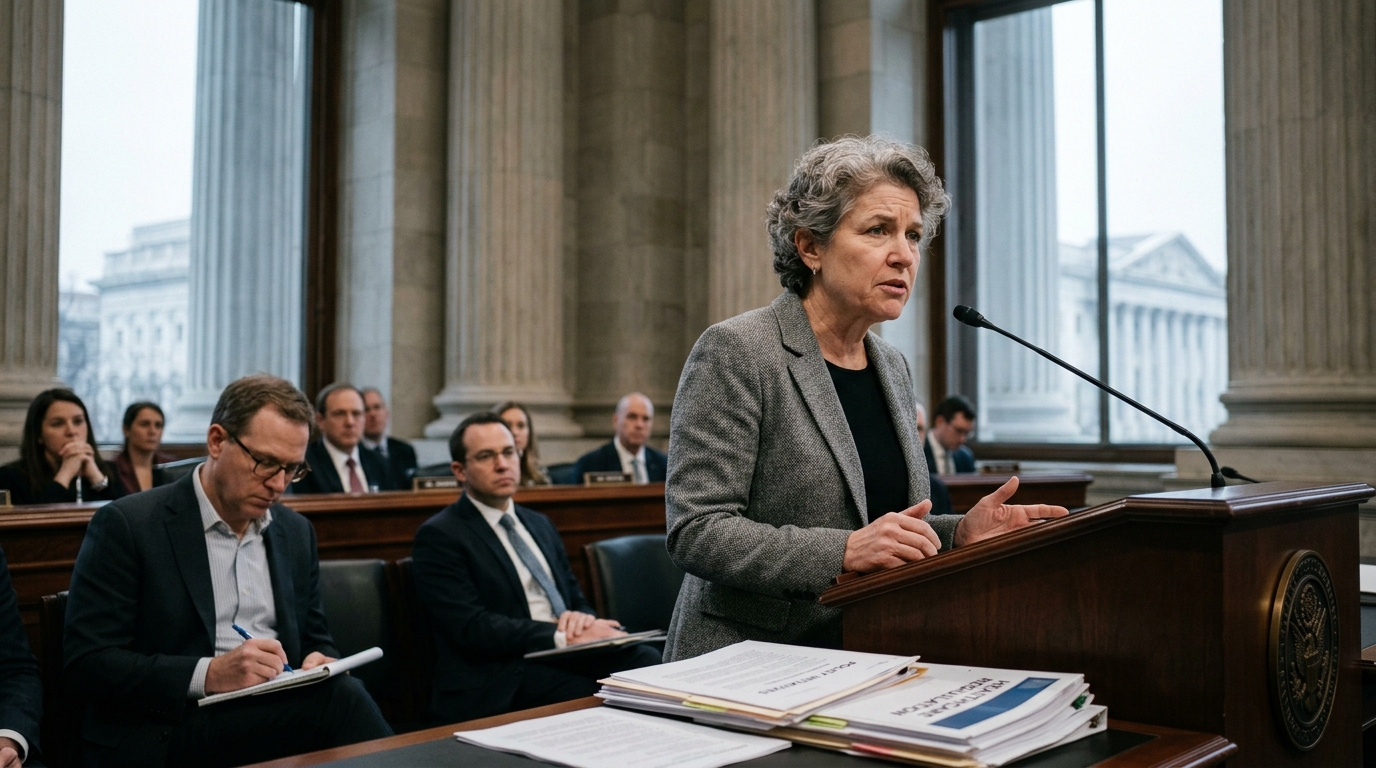
"We cannot allow computer code to replace the Hippocratic Oath," stated a member of the state's health committee during a recent hearing.
Conclusion: Towards a Digital Hippocratic Oath
The situation in North Carolina serves as a harbinger for the future of global healthcare. As AI permeates every aspect of our existence, the need for ethical frameworks becomes imperative. Technology must remain a tool in the hands of doctors, not a shackle for patients. The battle currently unfolding in the United States will determine whether 21st-century medicine remains patient-centered or devolves into a cold exercise in actuarial optimization.