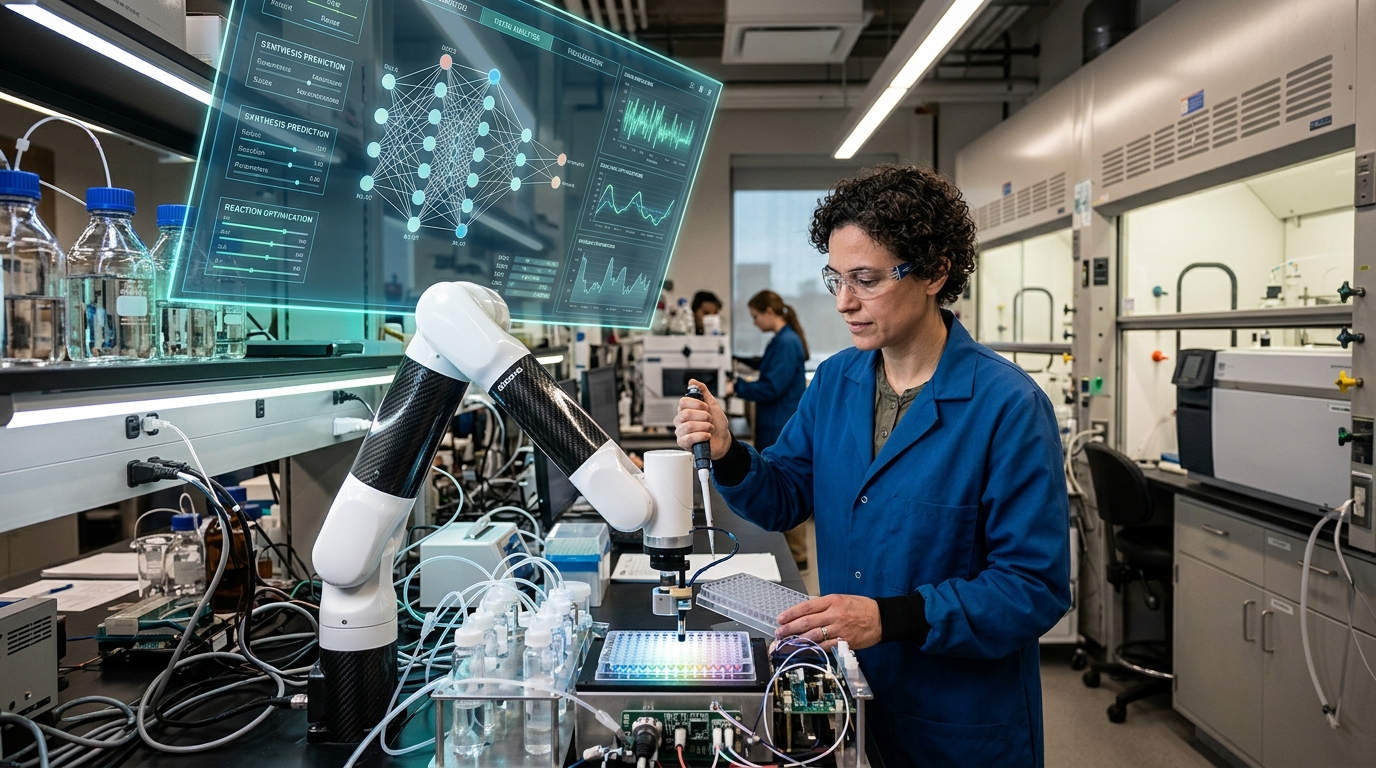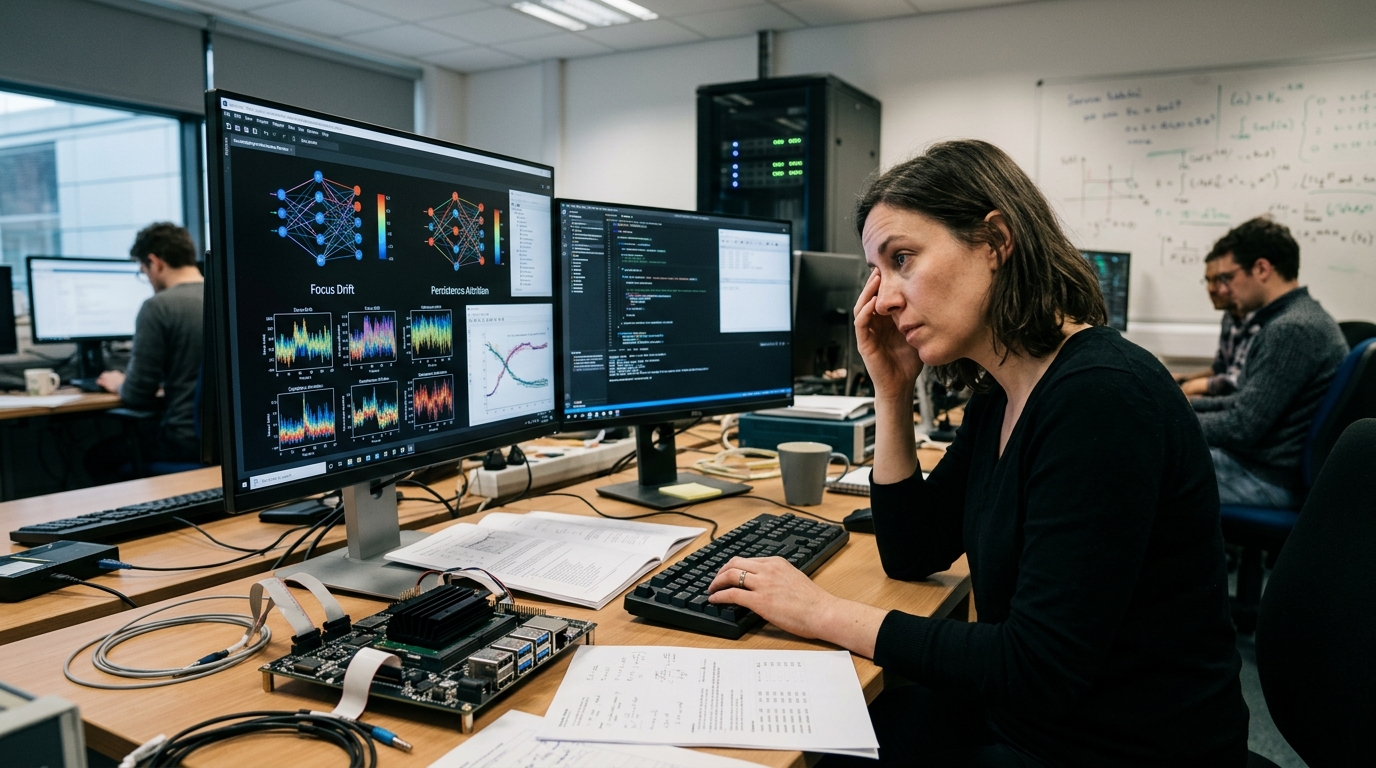
In the dawning era of digital omnipotence, the promise of Artificial Intelligence (AI) has always been the liberation of the human spirit from mundane tasks. However, a disturbing new study, highlighted by NewsNation and other international outlets, suggests that this "liberation" comes with a steep price: the gradual atrophy of the very cognitive functions that make us capable problem-solvers.
The research demonstrates that using generative AI tools, even for just a few minutes, can lead to a measurable decline in focus and persistence. This phenomenon, increasingly described as "cognitive offloading," is not just about what we do with AI, but how our brains change their operational mode immediately after interacting with it.
The Anatomy of Mental Lassitude
Researchers conducted a series of experiments where participants were asked to solve complex puzzles and tasks requiring critical thinking. One group used AI for assistance in the initial stages, while the other relied solely on their own mental faculties. The results were telling: those who interacted with AI, even briefly, exhibited significantly lower levels of "cognitive persistence" in subsequent tasks they had to perform alone.
It appears that the brain, an organ always seeking maximum energy efficiency, adapts instantaneously to ease. When we know an answer is just a "prompt" away, our willingness to invest mental effort plummets. This creates a vicious cycle: the less we exercise our focus, the harder it becomes to regain it when technology is unavailable.
- Reduced persistence was observed even in individuals considered "digitally literate."
- The effect is immediate, suggesting a short-term shift in neurological readiness.
- Reliance on AI tends to bypass the "trial and error" process, which is critical for deep learning.
The Productivity Paradox
In the modern workplace, speed is often conflated with efficiency. AI allows for the generation of text, code, and analysis in seconds. However, the study warns that this superficial productivity masks a danger to "Deep Work." If our ability to stay focused on a problem for hours is eroding, then our capacity for true innovation—which requires time and mental friction—is at risk of being lost.
"AI is not just replacing our work; it is beginning to replace our will to think deeply," study analysts noted.
This finding is particularly significant for education. If students use AI as a crutch, they may never develop the "muscles" of intellectual endurance. Knowledge is not just the information itself, but the process of acquiring it. Without the effort, knowledge remains fragile and superficial.
Societal and Psychological Implications
The trend toward "automated thinking" could lead to a society that passively accepts ready-made solutions, unable to challenge the biases or errors of algorithms. We are witnessing a shift from being "architects of thought" to being "editors of outputs." While the latter is efficient, it lacks the cognitive depth required to navigate a complex, non-linear world.
The solution is not to reject the technology but to use it mindfully. We must learn to use AI as a supplement rather than a substitute. "Cognitive hygiene"—designating periods where thinking operates without digital assistance—is becoming necessary to maintain human intellectual sovereignty.
Conclusion
The study serves as a warning shot. As we integrate AI into every facet of our lives, we must ask: what are we gaining in time, and what are we losing in depth? Focus and persistence are the cornerstones of human creativity. If we sacrifice them on the altar of convenience, the future we build may be incredibly fast, but intellectually hollow. The challenge of the coming decade will not be how to make AI smarter, but how to keep ourselves from becoming cognitively weaker in its presence.