For over a decade, Adobe has maintained a near-monopoly on the digital creative landscape through its Creative Cloud subscription model. However, as we navigate through mid-2026, a significant shift is occurring. Creators are experiencing acute "subscription fatigue," and the high walls of Adobe's ecosystem are starting to show cracks. While Adobe’s integration of Generative AI via Firefly set a new industry standard, it also locked essential modern features behind a recurring paywall. Recent developments highlighted by platforms like Fstoppers reveal that the era of "renting" your creativity might be facing its most significant challenge yet.
The Freemium Gateway: Leveraging Adobe Express and Firefly Web
Adobe’s own strategic moves to counter rising competition have inadvertently provided a path for budget-conscious creators. Adobe Express, the company's answer to lightweight design tools, offers a free tier that includes a monthly allocation of Generative Credits. These credits allow users to access the same Firefly-powered engines used in the flagship Photoshop version for tasks like Generative Fill and Text-to-Image effects.
By using Adobe Express as a bridge, photographers can upload their assets, apply AI transformations, and export them back to their primary workflow. This "freemium" loophole allows for high-end AI manipulation without a monthly Creative Cloud bill. Furthermore, the standalone Firefly web interface continues to offer free trial credits, proving that Adobe is forced to keep its doors slightly ajar to prevent users from migrating entirely to open-source alternatives. This highlights a critical tension in Adobe's business model: the need to monetize vs. the need to remain the industry's default standard.
The Open-Source Rebellion: Local AI Integration
The most profound threat to the subscription model isn't another corporation, but the democratization of AI through open-source software. Stable Diffusion has evolved from a niche experimental tool into a powerhouse that rivals professional software. In 2026, local AI execution has become the preferred method for tech-savvy professionals. With a modern GPU, users can run models locally, bypassing cloud costs and privacy concerns entirely.
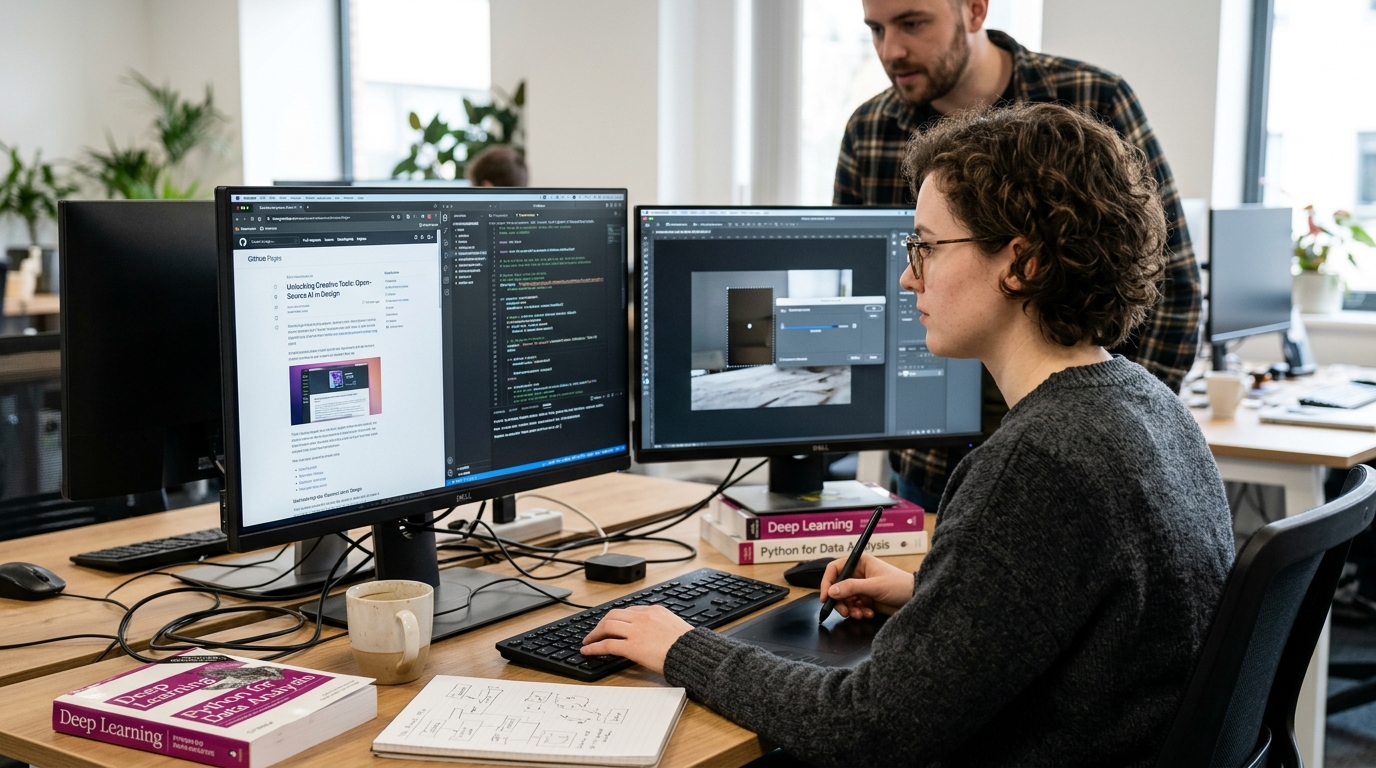
Plugins such as Auto-Photoshop-SD have bridged the gap, allowing Stable Diffusion to function directly within the Photoshop interface—even in older, perpetual-license versions like CS6. These tools offer Generative Fill, outpainting, and sophisticated image-to-image transformations for free. Unlike Adobe's cloud-based AI, local models don't have "safety filters" that sometimes overreach, nor do they require an internet connection. This shift toward "Edge AI" is redefining the professional workflow, moving the power back from the service provider to the hardware owner.
Economic Implications and the Creative Ethics Debate
The push for non-subscription AI tools is also fueled by a growing ethical divide. The creative community remains split over Adobe's training methods. While Adobe claims Firefly is "commercially safe" because it was trained on Adobe Stock images, many contributors feel exploited, arguing that their work was used to build a machine that could eventually replace them—and then sold back to them as a subscription service.
- Subscription fatigue is driving users toward perpetual license alternatives like Affinity Photo.
- Open-source AI models are narrowing the quality gap with proprietary systems.
- Privacy-conscious professionals are opting for local AI to keep client data off corporate servers.
As we look toward the future, the sustainability of the SaaS model for creative tools is in question. If a user can achieve 95% of the same results using a free, locally-hosted AI plugin, the justification for a $600 annual subscription becomes increasingly difficult to maintain. We are witnessing a transition where the value is shifting from the software itself to the specialized hardware capable of running these complex models locally. For the modern creator, the message is clear: the tools are available, the gatekeepers are losing their grip, and the only cost of entry is the willingness to learn a new, more independent workflow.