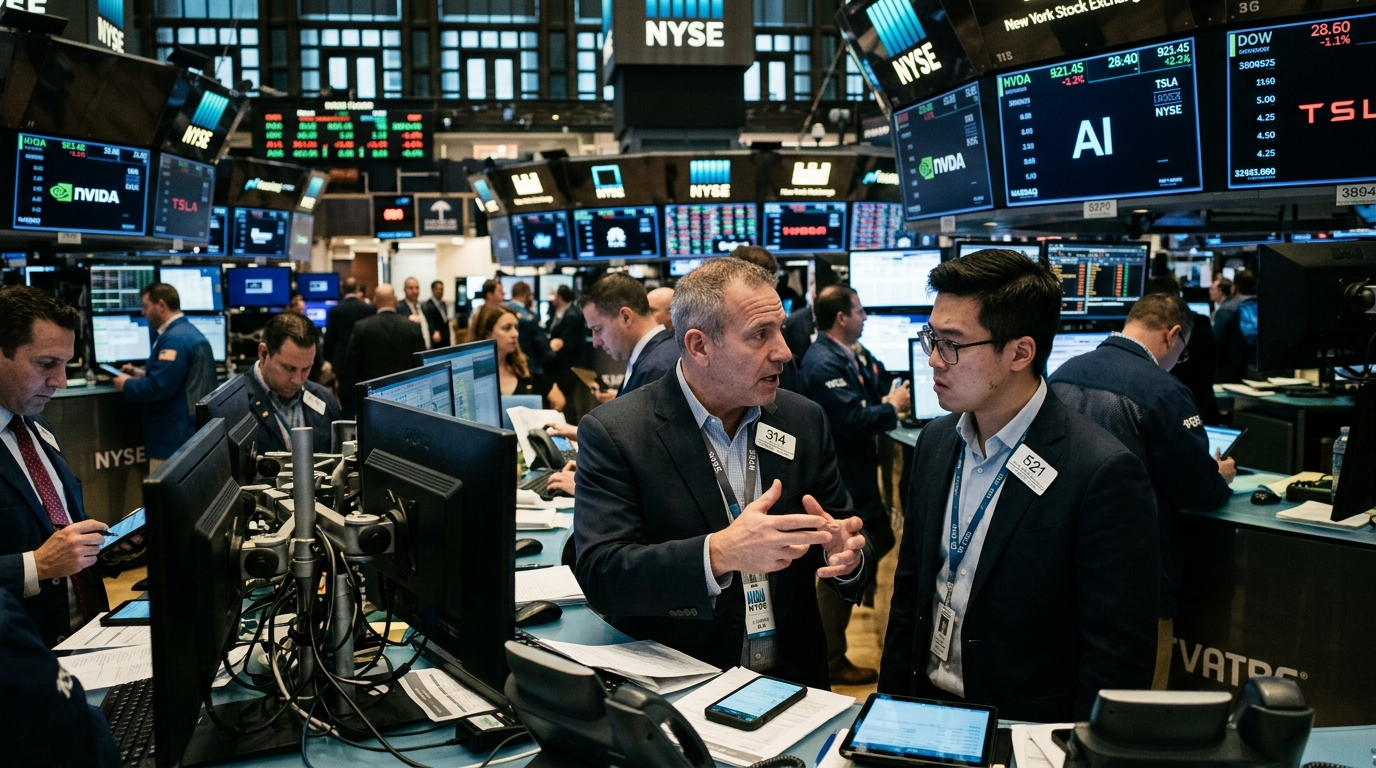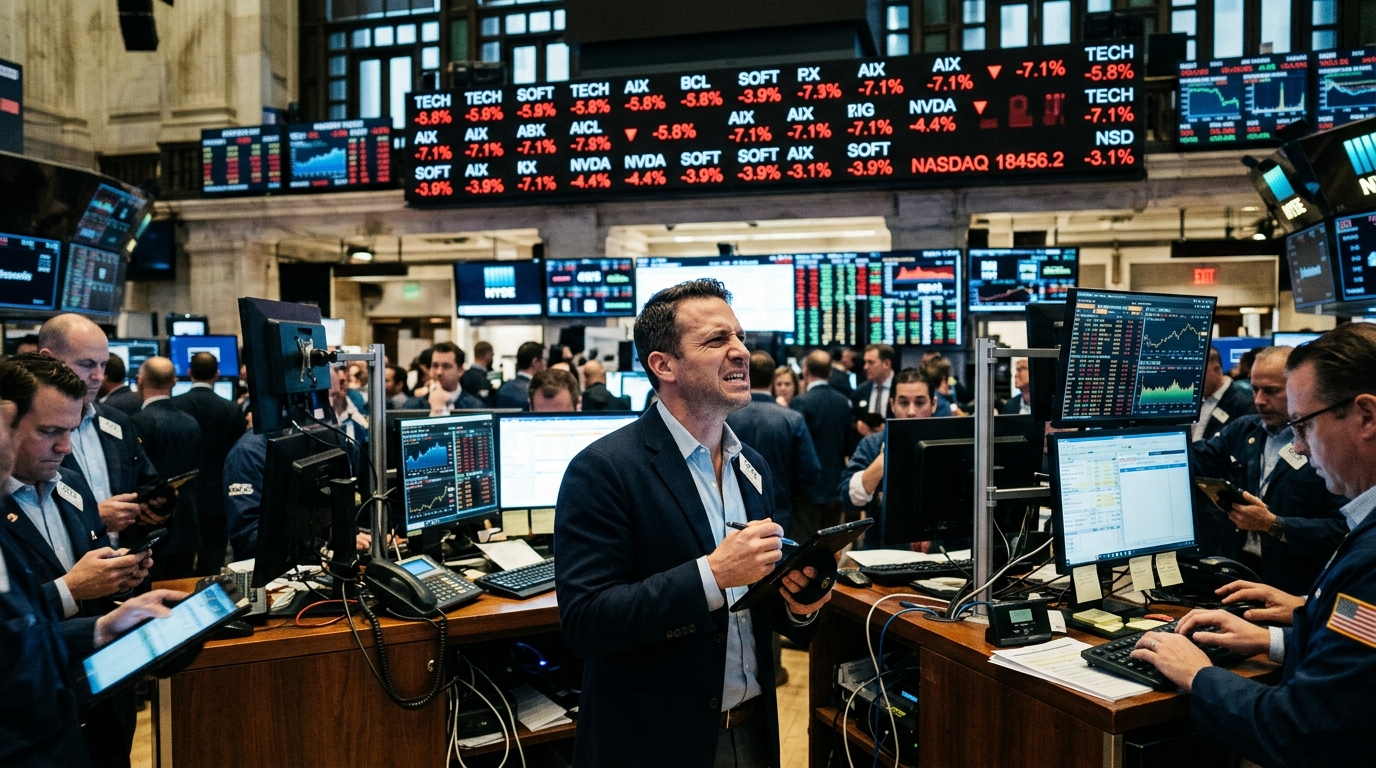
For nearly two years, the narrative surrounding Artificial Intelligence (AI) in global markets has been monolithic: Nvidia. The company that enabled the Large Language Model (LLM) revolution saw its valuation soar to stratospheric levels, dragging the entire semiconductor industry along with it. However, as we move into the latter half of 2026, the scenery is shifting. The investment frenzy for the "picks and shovels" of the digital gold rush—the chips—is beginning to give way to a search for the companies that will build the cities atop that gold mine.
Recent market analysis indicates that the "AI Trade" has now broken beyond the narrow confines of hardware. Investors are turning their attention to three critical pillars that form the backbone of the next phase: cloud infrastructure, energy management, and application software. This shift is not merely a market correction, but a fundamental recognition that AI must now prove its value in the real economy, beyond the testing laboratories.
The Onslaught of the Cloud Giants
While Nvidia provides the raw processing power, companies like Amazon and Microsoft are the ones offering the environment in which AI can actually operate. Amazon Web Services (AWS) and Microsoft Azure have evolved from simple storage providers into comprehensive AI ecosystems. The recent surge in their stock prices is not just due to current earnings, but to their ability to lock enterprises into long-term "AI-as-a-Service" contracts.
Amazon, in particular, has managed to integrate AI into every facet of its supply chain, reducing costs and increasing delivery speeds. This internal use of technology serves as a "living case study" for its AWS customers. On the other hand, Microsoft, through its close partnership with OpenAI, has made Copilot an indispensable part of the daily workflow for millions. The market is now betting that the revenue stream from software subscriptions will be more stable and long-term than one-off hardware sales.
The Energy Puzzle: The Unsung Hero
One of the most interesting developments in the current market is the emergence of utilities and energy companies as key AI players. Artificial Intelligence is energy-intensive. The data centers required to train and run models consume vast amounts of electricity. This is where companies like NextEra Energy come into play.
"AI is not just code; it is electrons. Without stable, cheap, and green energy, the AI revolution will stall before it truly begins," Wall Street analysts note.
Investors are realizing that energy demand will grow exponentially in the coming years. Companies that control the grids and renewable energy sources are becoming the new "gatekeepers" of technological progress. NextEra, with its massive portfolio of wind and solar energy, is positioning itself as the preferred partner for tech giants committed to net-zero emissions. This convergence of heavy industry and high technology is one of the most potent investment themes of 2026.
From Theory to Practice: Next-Gen Software
The third pillar of this new phase consists of software companies that successfully turn AI into a productivity tool. Salesforce is a prime example. By integrating Einstein AI into its CRM platform, it allows businesses to automate sales and customer service in ways that were unthinkable three years ago. The market no longer rewards the "promise" of AI, but a company's ability to increase its customers' profit margins.
In this context, we are also seeing the rise of cybersecurity firms like CrowdStrike. As AI-driven attacks become more sophisticated, the need for AI-driven defense becomes imperative. These companies are not just selling code; they are selling security and business continuity, making them resilient to economic fluctuations.
Conclusion: A New Equilibrium
The expansion of the AI Trade beyond chips signals the maturation of the technology. While Nvidia will remain a central player, its dominance will no longer be the sole indicator of the sector's health. The next phase belongs to those who can scale the technology, power it with energy, and make it essential for the daily operations of global commerce. For investors, this means that diversification is no longer an option, but a necessity.